Short answer
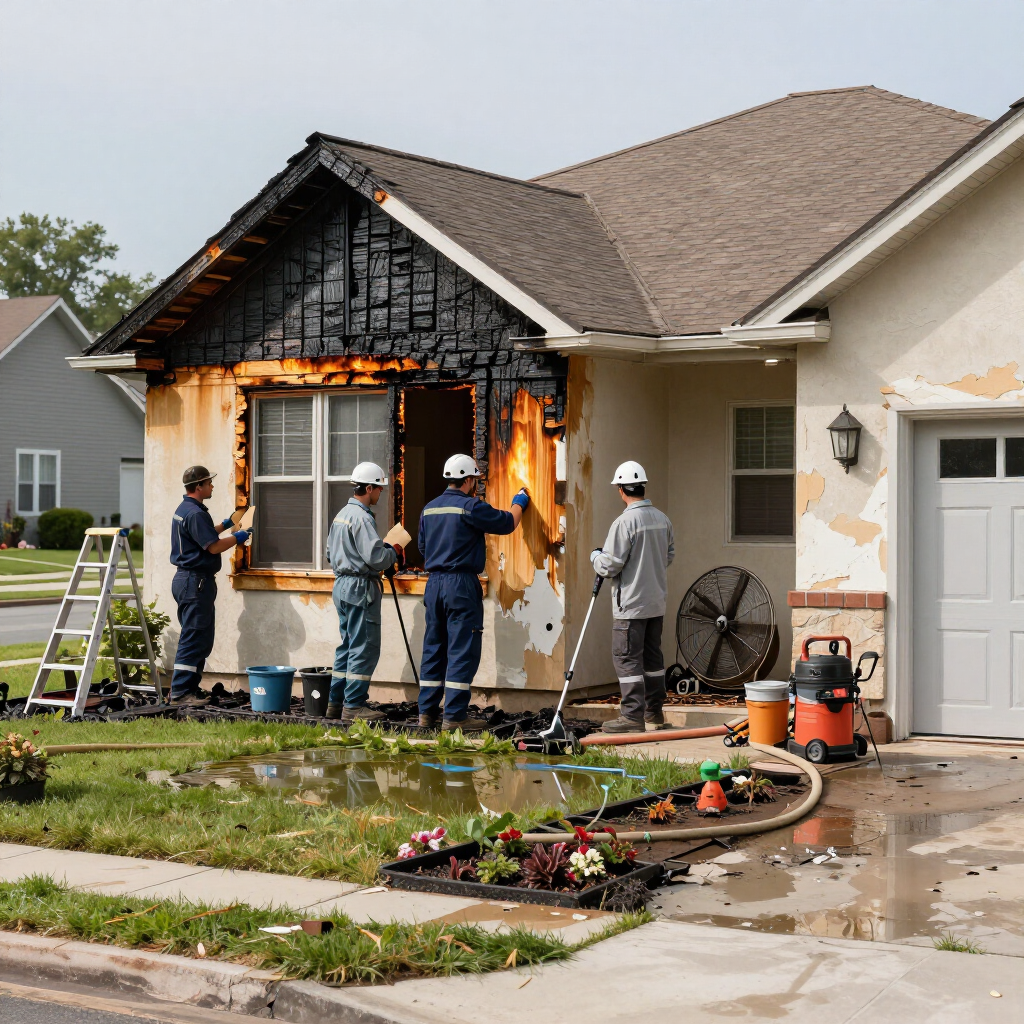
The damage extends well past what burned. Smoke travels through the whole structure, soot is chemically aggressive and keeps etching surfaces until it is removed, and the water used to put the fire out becomes its own water-damage job within hours. A Bellevue fire restoration is a sequence — secure, assess, clean, dry, rebuild — and skipping ahead is what causes the odor that never leaves.
---
The order of operations
**1. Secure the structure.** Board-up, tarping, and making the building safe to enter. This usually happens the same day, and most policies cover it as an emergency measure.
**2. Assess.** A real assessment covers what burned, where smoke and soot traveled, what the suppression water reached, and what structural members were heat-affected. It produces the scope everything else is built on.
**3. Water first.** Firefighting water has to be extracted and the structure dried before any reconstruction. Otherwise you are sealing moisture inside the assembly, and a fire job turns into a mold job.
**4. Smoke and soot remediation.** Different combustion sources leave different residues and each requires a different cleaning approach. This is specialized work and it is where odor is either solved or permanently locked in.
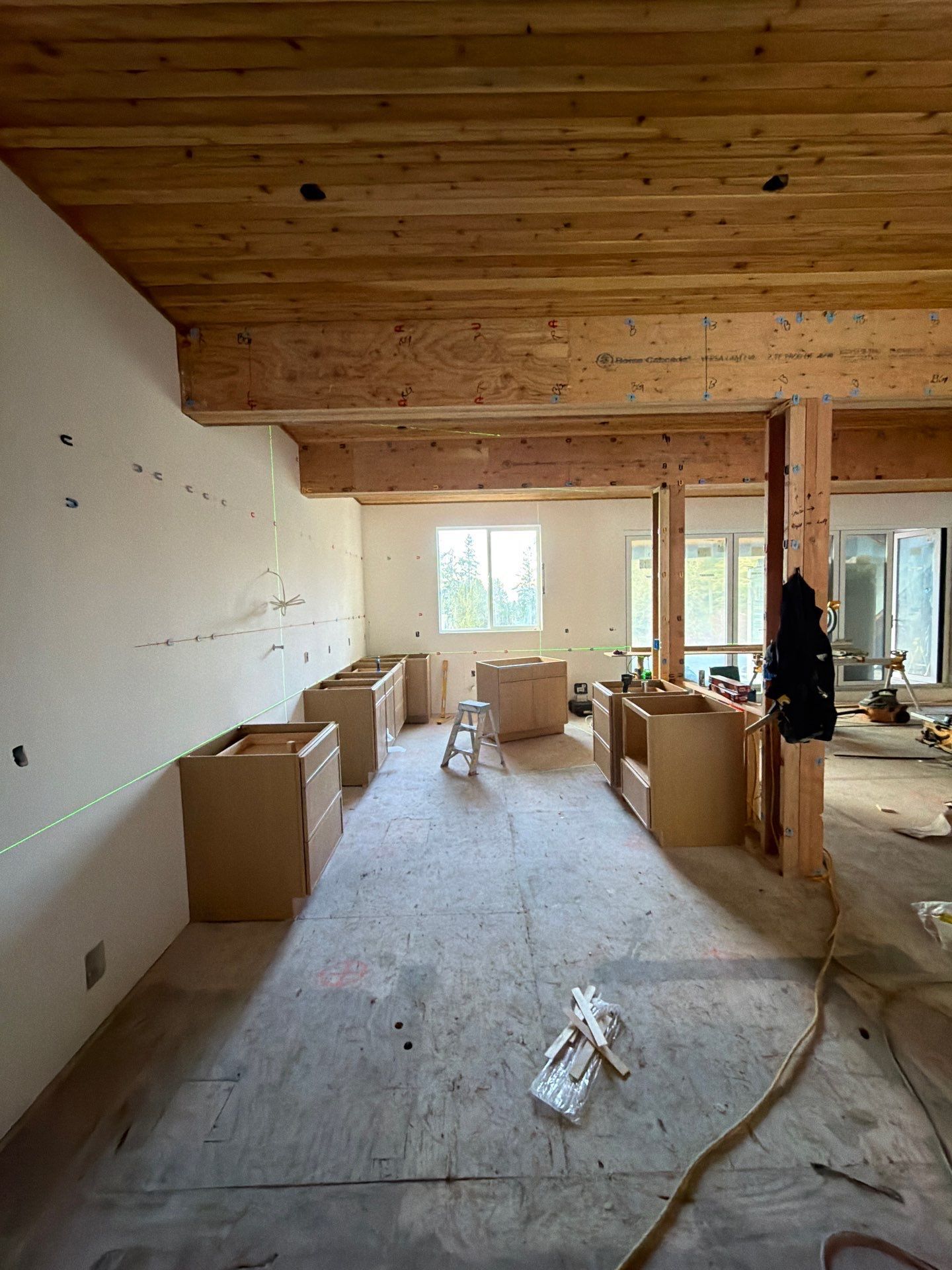
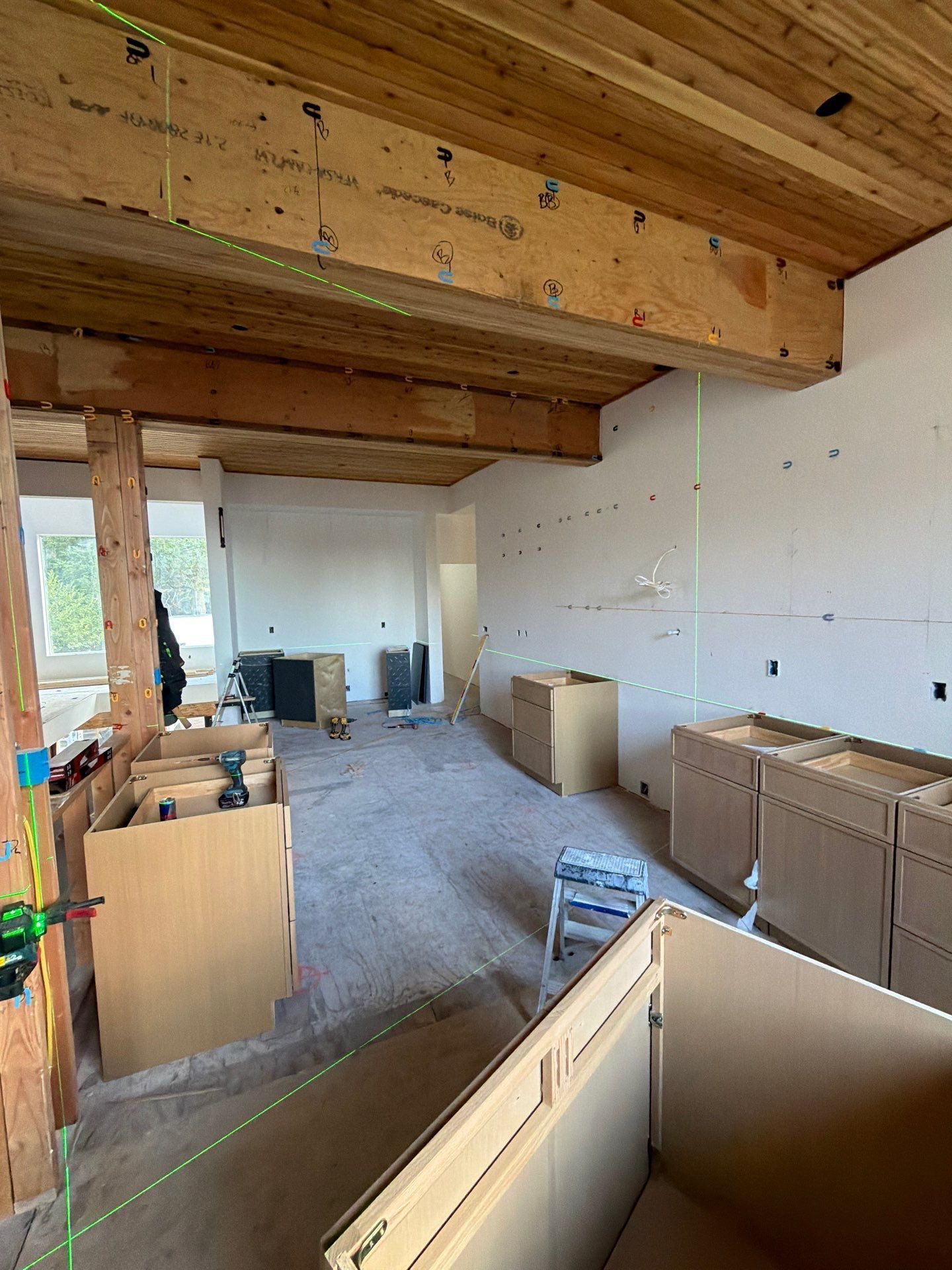
**5. Structural repair, then rebuild.** Framing, systems, then finishes.
What surprises people
**Smoke goes everywhere.** It follows air movement — through the HVAC system, up stud cavities, into closets two floors from the fire. A room that never saw flame can need full remediation.
**Soot is corrosive.** It is acidic and it keeps working on metal, glass, stone and finishes for as long as it sits. Time genuinely matters.
**The water damage is a second job.** Suppression water soaks into subfloor, insulation and wall cavities and needs the same documented drying any other water loss needs.
**Contents are their own scope.** Cleaning, inventorying, packing out and storing your belongings is typically a separate line and a separate specialty.
**Odor is the hardest thing to close out.** If porous materials that absorbed smoke get sealed behind new drywall, the smell comes back on the first warm day. The test of a fire restoration is a house that smells like nothing in August.
The Bellevue specifics
**Permits go through the City of Bellevue Development Services Department.** A fire rebuild that involves structural repair, new framing, or systems replacement is permitted work, and it runs through Bellevue's process — not Seattle's.
**Rebuilding to current code.** When a structure is substantially damaged, the repair generally has to meet the code in effect now, not the code in effect when it was built. For a 1965 house that can mean electrical, ventilation, insulation and egress requirements the original house never had to meet. Ordinance-or-law coverage in your policy is what addresses this gap — it is worth knowing whether you carry it.
**Larger Eastside houses mean larger contents scopes** and more square footage of smoke-affected surface, even when the fire itself was contained.
Working the insurance claim
**Document before anything moves.** Photographs and video of every room, including undamaged ones, before cleanup begins.
**You choose your contractor.** Your insurer may suggest a preferred vendor. That suggestion is not a requirement and you are not obligated to accept it.
**Understand Xactimate.** Most carriers estimate with it. It is a pricing database, not a scope — if the scope is wrong, the number is wrong regardless of how precise it looks.
**Expect supplements.** Fire damage is discovered progressively as materials come off. A supplement is a normal part of the process, not a sign something has gone wrong.
**Keep a log** of every call, adjuster name and date. Claims run long and memory does not.
How Fortress Build & Finish handles a Bellevue fire loss
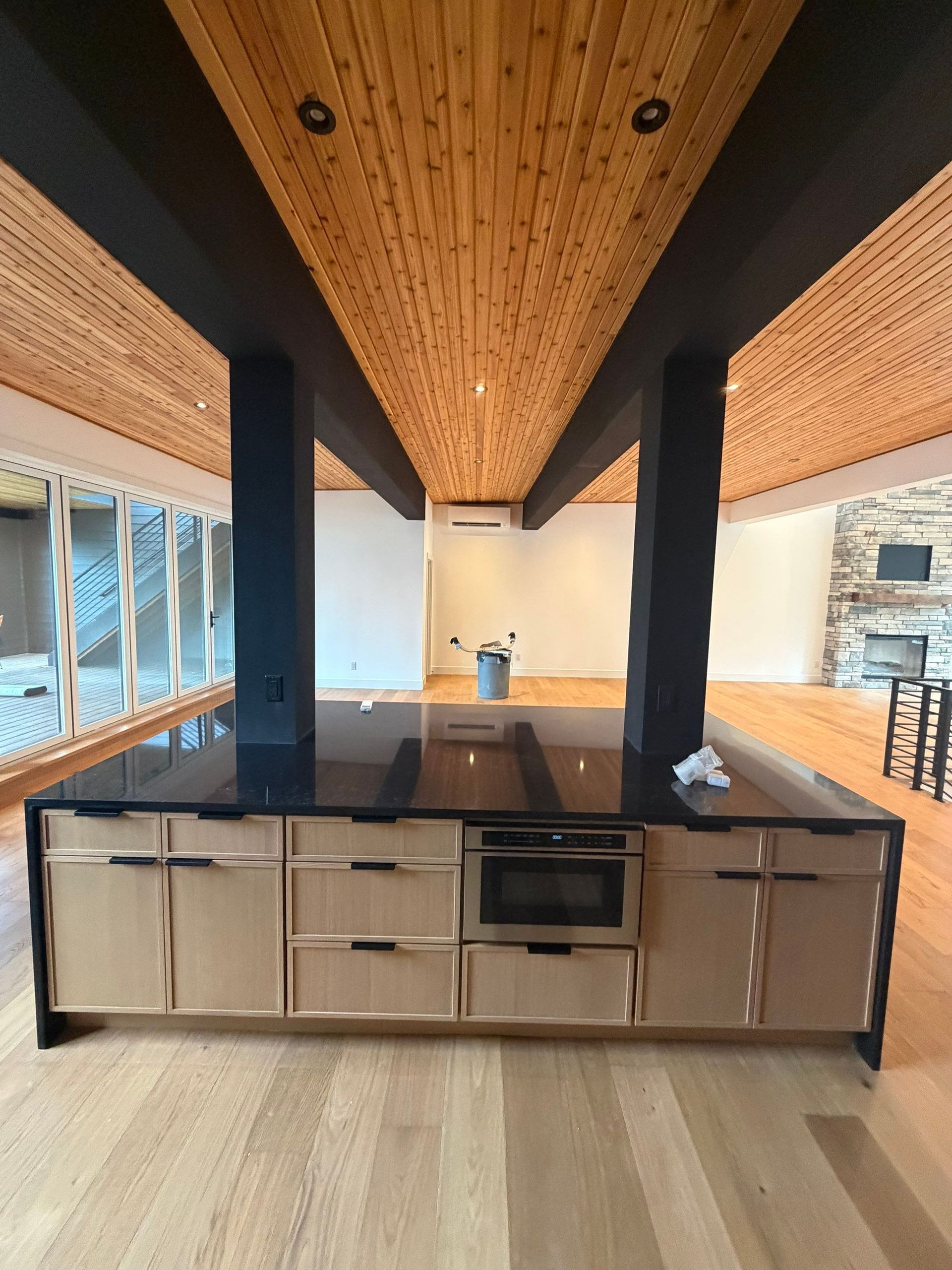
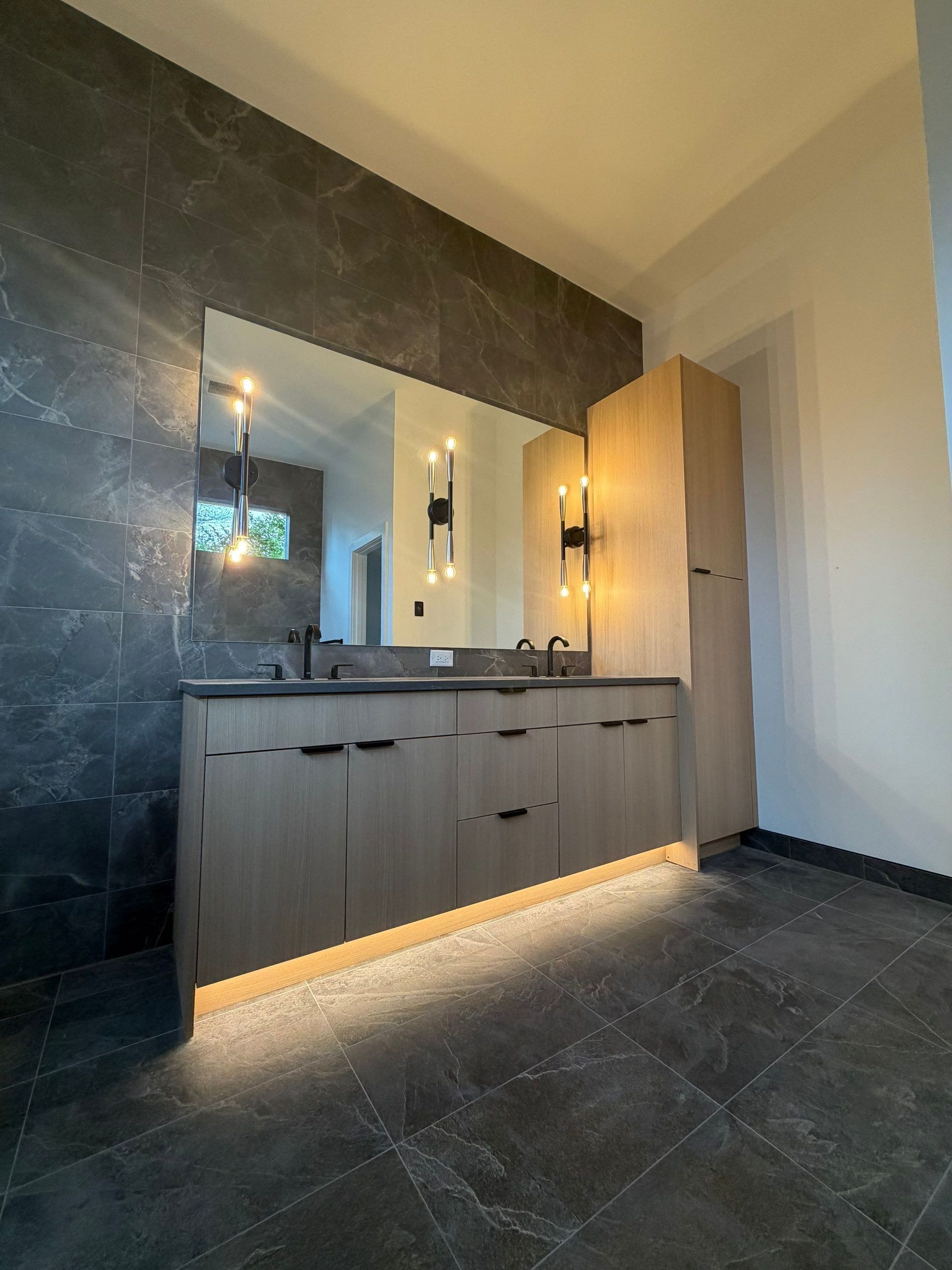
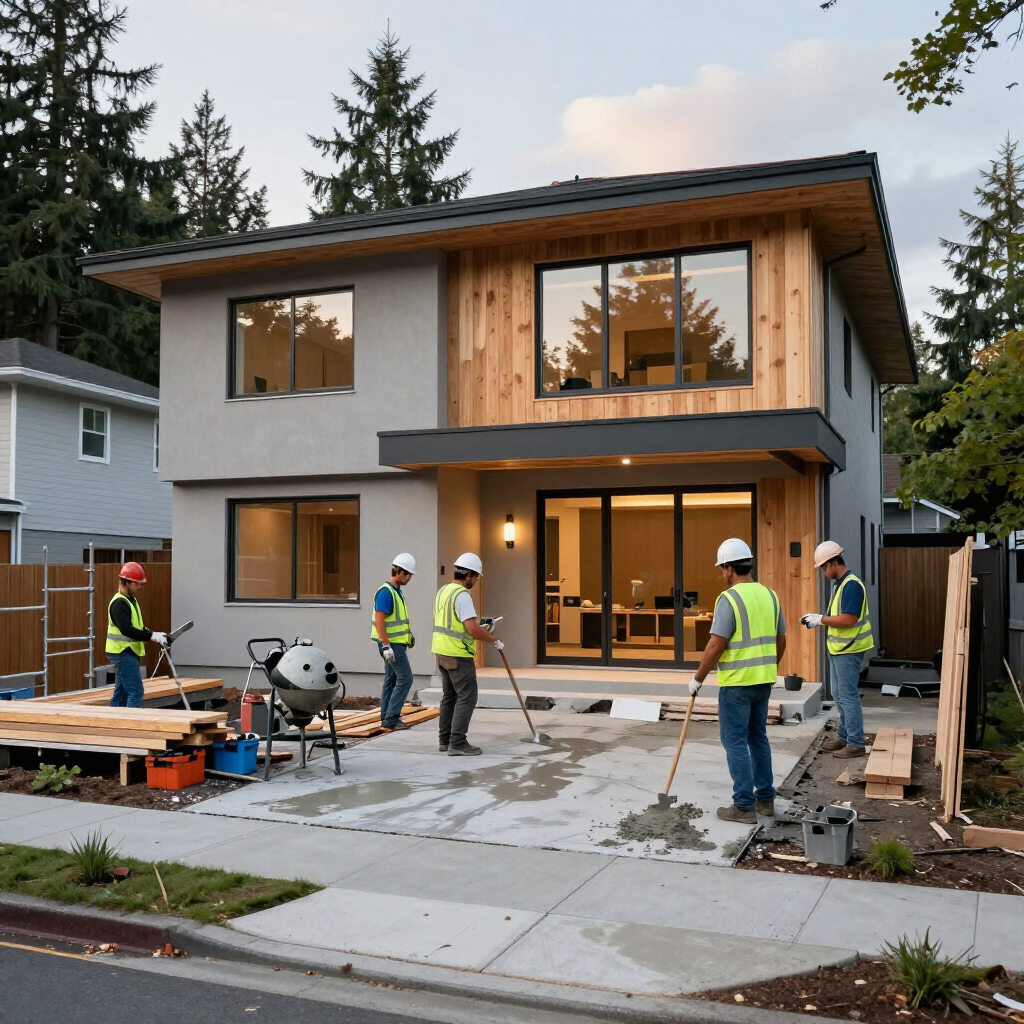
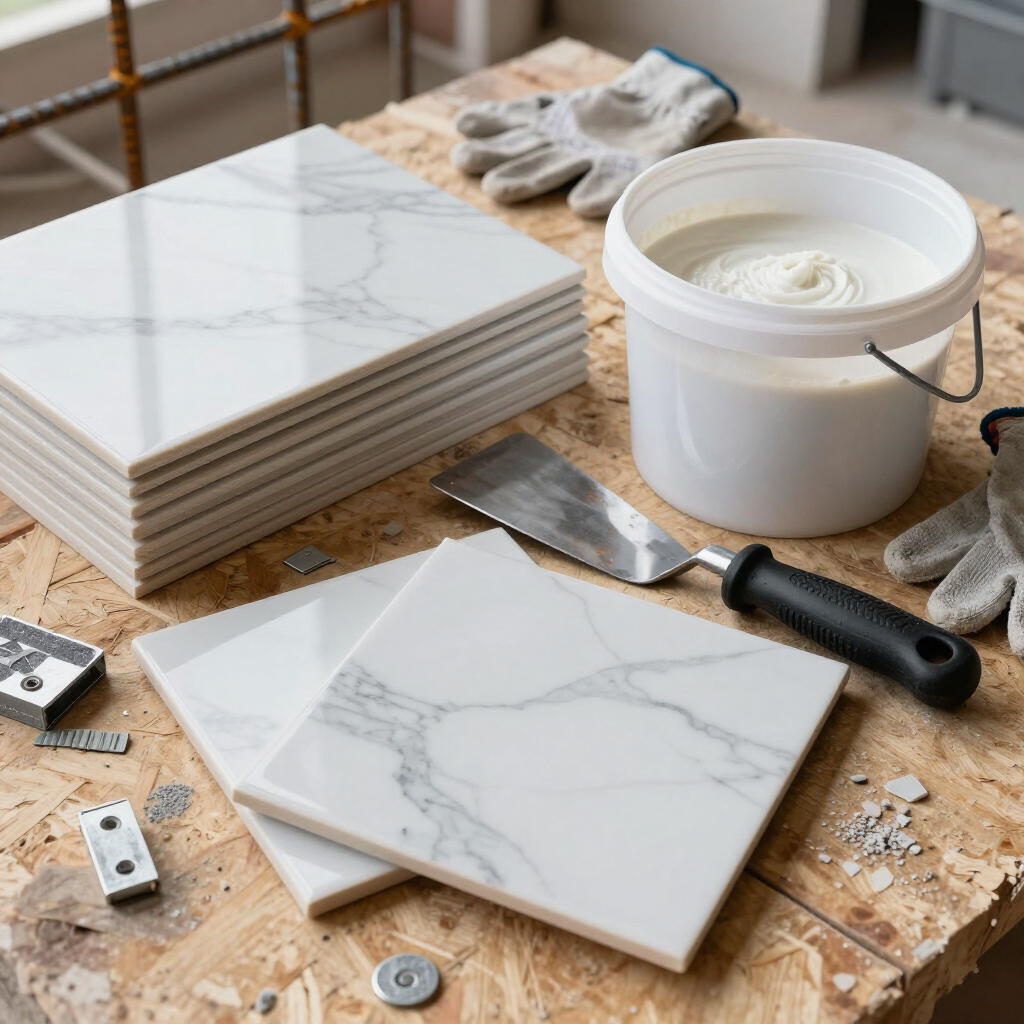
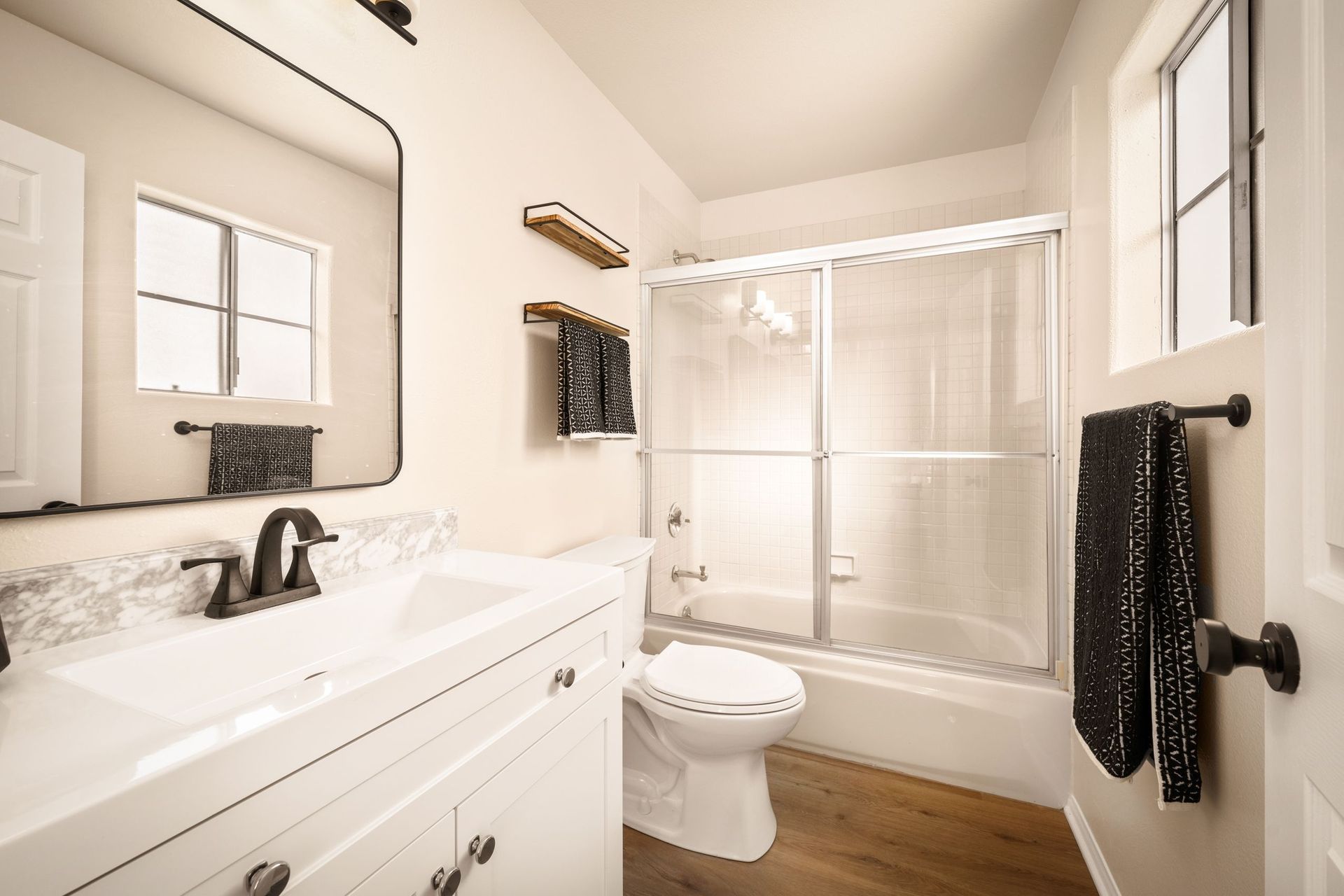
We run the whole sequence — the emergency phase, the drying, and then the rebuild — with our own finish crews doing the reconstruction. That last part is the difference most homeowners notice. A fire rebuild that stops at "code compliant" leaves a house that never looks right again; cabinetry, trim and tile installed to the standard of a remodel are what make the repair disappear.
Frequently asked questions
How long does fire damage restoration take?
It depends on scope. Emergency board-up is immediate; cleaning and drying are typically measured in weeks; a structural rebuild in months. Insurance approvals and permit review are usually the largest schedule variables.
Can smoke odor be fully removed?
Yes, but only if the remediation reaches the porous materials that absorbed it. Odor that returns later almost always means something absorbent was sealed in rather than removed or replaced.
Do I have to use the contractor my insurance company recommends?
No. You choose the contractor who performs the work on your home.
Does a fire rebuild have to meet current code?
Generally yes for the work being done, which can exceed what the original house was built to. Ordinance-or-law coverage in your policy is designed for that difference.
Is the water damage from firefighting covered?
Typically yes, as part of the fire loss. It should be scoped and dried like any other water loss, with moisture documentation.
---
**Related reading.**
Remodeling in Bellevue: How Permits and Costs Differ From Seattle
**About the author.** Ryan Watt is the marketing director at Fortress Build & Finish, a Seattle-owned finish contractor with more than 25 years in residential and commercial remodeling, custom carpentry, tile installation, and fire and water damage restoration.
*Fortress Build & Finish —
(206) 426-2067 · Licensed, bonded and insured — License No. FORTRBF756KA · Serving Bellevue, Kirkland, Redmond, Mercer Island, Issaquah, Renton and Seattle ·
fortressbuildfinish.com*