Where the process breaks: the handoff
The gap between phase 2 and phase 3 is where homeowners most often lose a month.
**Why it happens:**
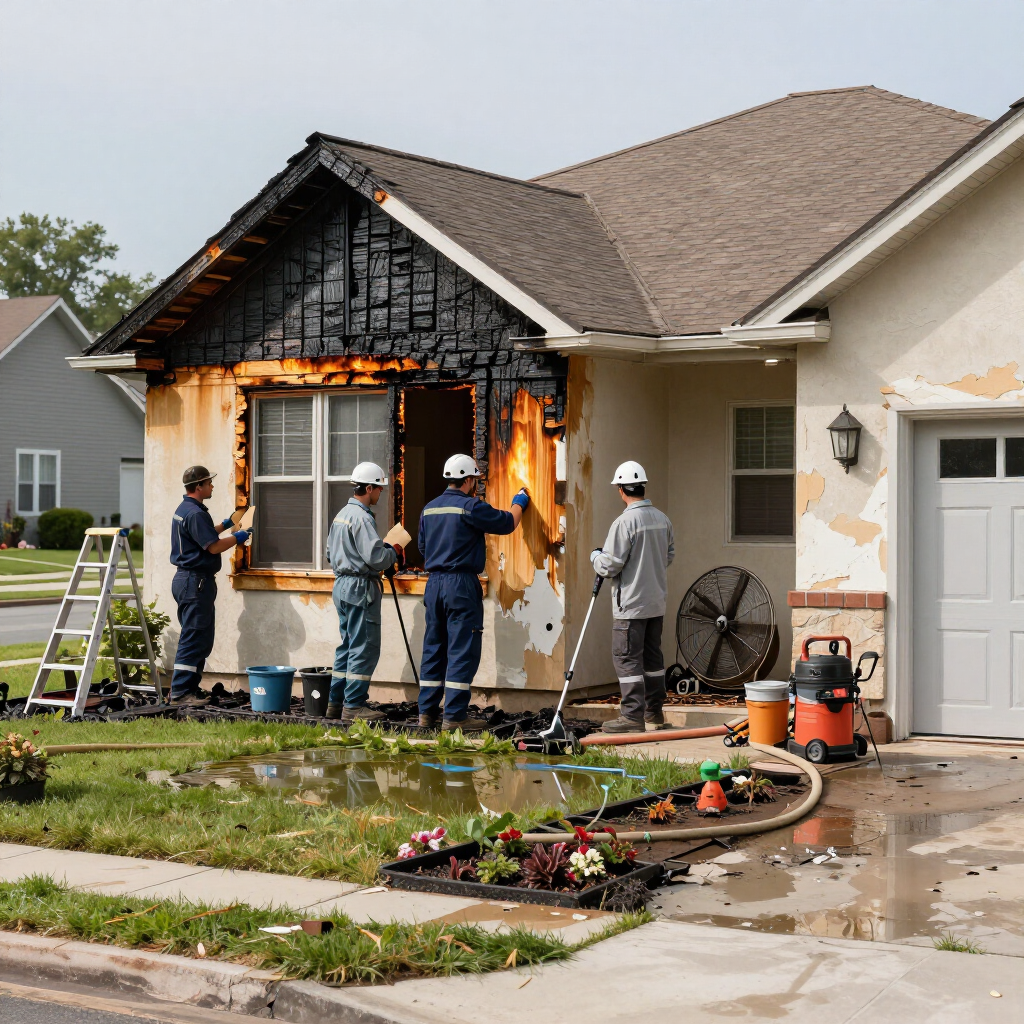
- The mitigation company's job ends when the structure is dry and clean. Their contract is complete.
- The reconstruction contractor hasn't been selected yet, or has been but can't start.
- The insurance scope has to be agreed before rebuilding, and the estimate the adjuster wrote may not match what a builder needs to actually rebuild the space.
- Nobody owns the transition. The mitigation company doesn't rebuild, the builder wasn't there for demo, and neither has the full picture.
- Documentation from phase 1 — what was removed, what the moisture readings showed, what the pre-loss materials were — doesn't reliably transfer.
**What it costs you:** weeks of a house sitting torn open, and Additional Living Expense coverage draining while nothing progresses.
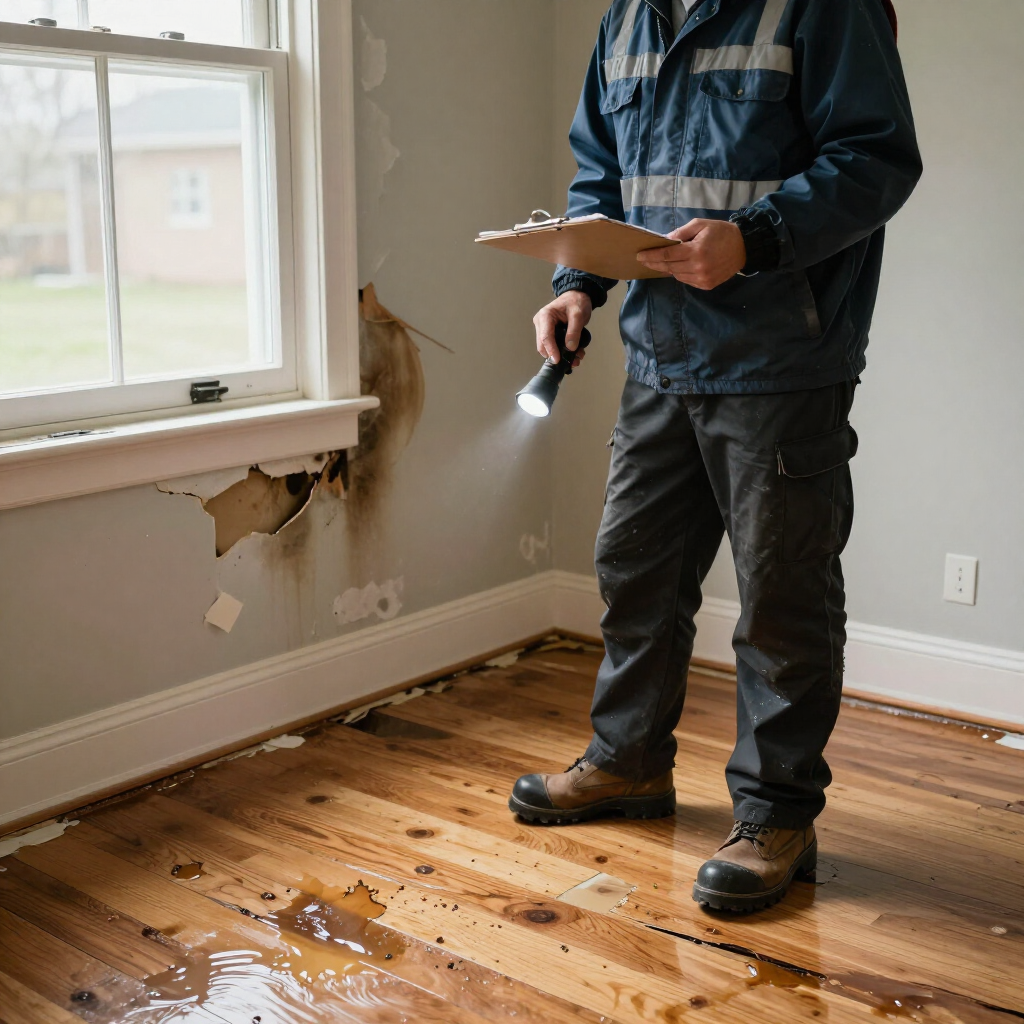
**How to prevent it:** select your reconstruction contractor early — during mitigation, not after. They should walk the loss while it's open, document what's being removed, photograph the pre-loss finishes and materials, and be part of the scope discussion with the adjuster. Everything that gets covered up during reconstruction is easier to see now.
Who to hire, and in what order
**Immediately (hour zero):**
1. Ensure everyone is safe and the property is secure
2. Stop the source if you safely can — shut off water at the main
3. Call your insurance carrier and open a claim
4. Call a mitigation company
**Within 24–72 hours:**
5. Photograph and video everything before anything is removed
6. Start a written log — every call, every name, every date
7. **Select your reconstruction contractor** and get them on site while it's open
**Within the first two weeks:**
8. Adjuster's inspection and scope
9. Your contractor's estimate compared against the adjuster's scope
10. Negotiate any differences before reconstruction starts
One company or three?
**Three specialists.** Mitigation companies are built for speed and 24/7 response. Cleaning specialists are genuinely specialized. A remodel-quality builder does better finish work than most restoration general contractors.
**One company end to end.** Continuity. Nobody loses the documentation, nobody re-learns the loss, no handoff gap.
**The realistic middle:** use a dedicated mitigation company for the emergency phase — they'll be there faster and they have the equipment — and bring in your reconstruction contractor early so they're part of the process rather than arriving after everyone else has left.
**The question to ask any restoration general contractor:** *would I hire you to remodel this room if there had been no loss?* Because that's what reconstruction is — a remodel, on an insurer's timeline, with an adjuster's scope. If the answer is no, you'll end up with a room that's identifiably a repair.
What insurance covers in each phase
**Mitigation** is almost always covered on a covered loss, and most policies require you to mitigate — failing to act promptly can reduce what's paid. Mitigation companies commonly bill the carrier directly.
**Restoration and cleaning** is covered, though contents cleaning versus replacement is a frequent negotiation.
**Reconstruction** is covered to return the property to its pre-loss condition. Two things it does *not* cover:
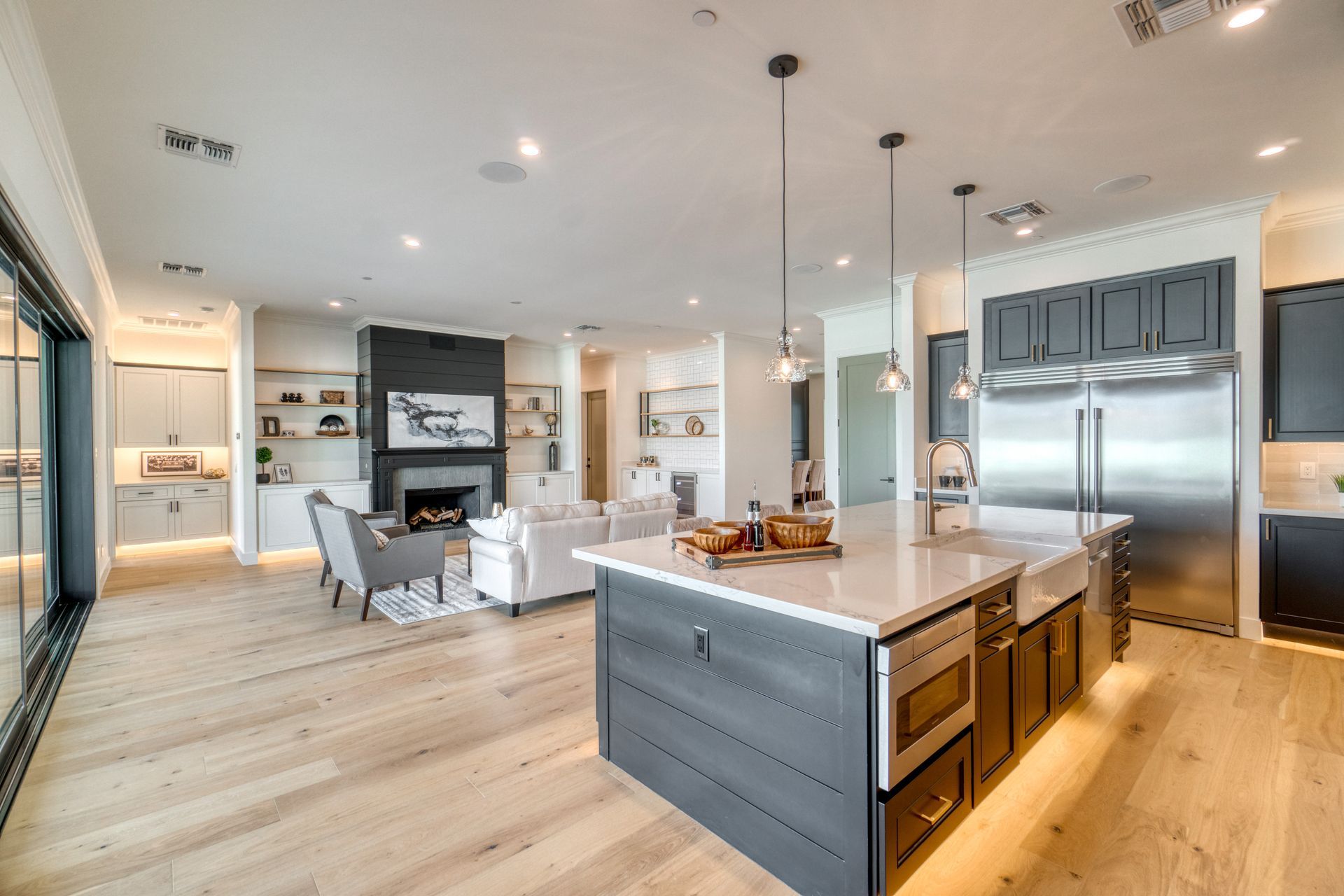
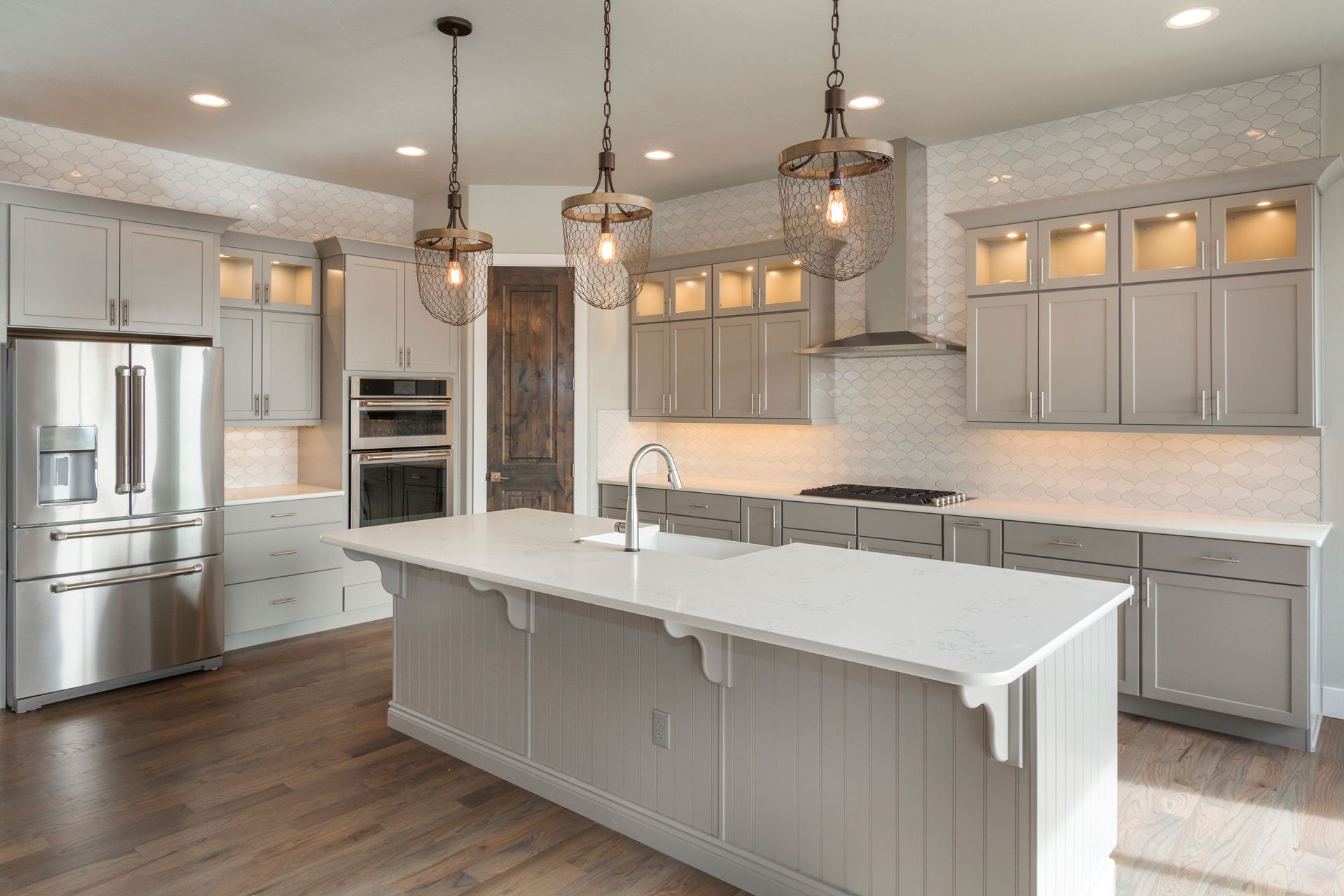
- **Upgrades.** A better kitchen than you had is on you. Many people do exactly this — the loss is the moment to improve the space — and the way to handle it is to keep the loss scope and the elective scope documented separately from day one.
- **Deferred maintenance.** Pre-existing conditions unrelated to the loss.
**Additional Living Expense** covers the reasonable increase in living costs while the home is uninhabitable, subject to limits.
How Fortress Build & Finish works a loss
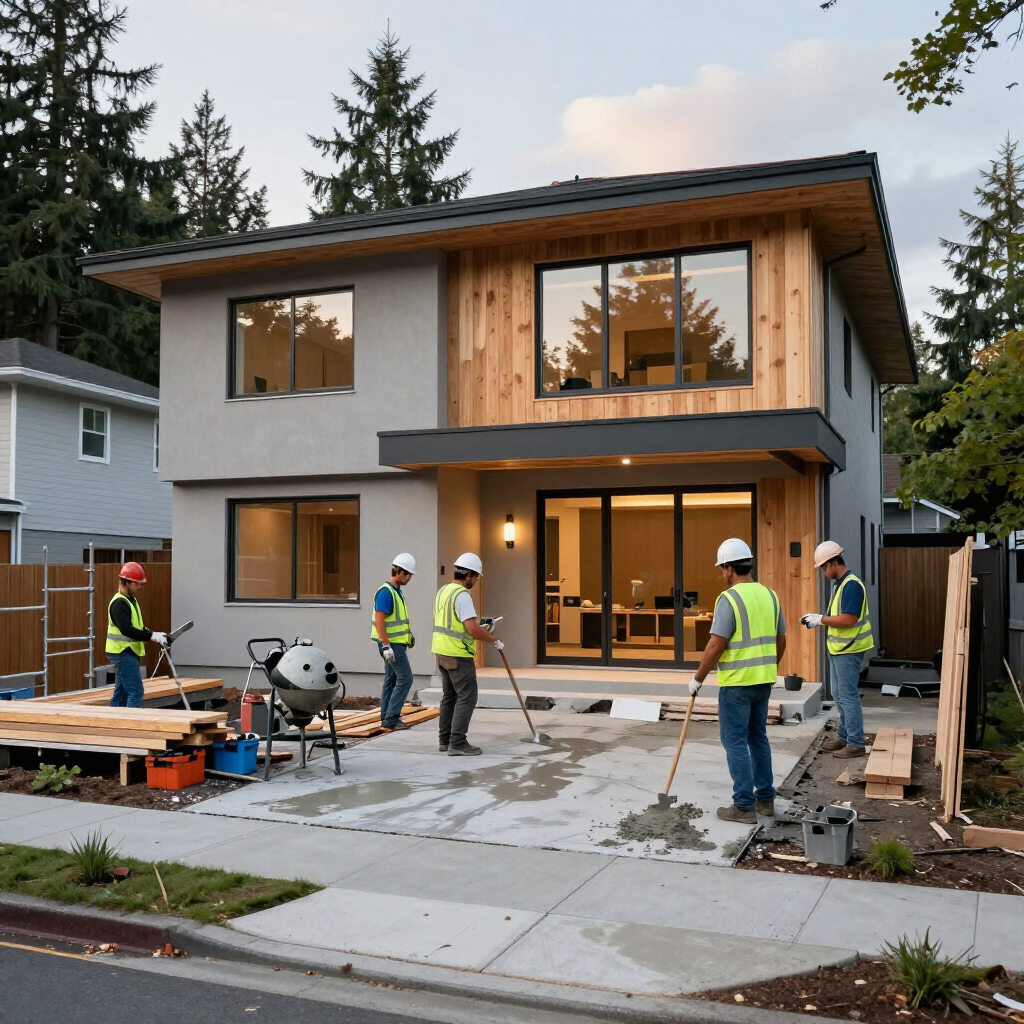
We're the reconstruction phase, and we want to be on site during mitigation — while the walls are open and everything is visible. That's when the pre-loss materials can be documented, when the true extent of damage is knowable, and when scope disagreements with the adjuster are cheapest to resolve.
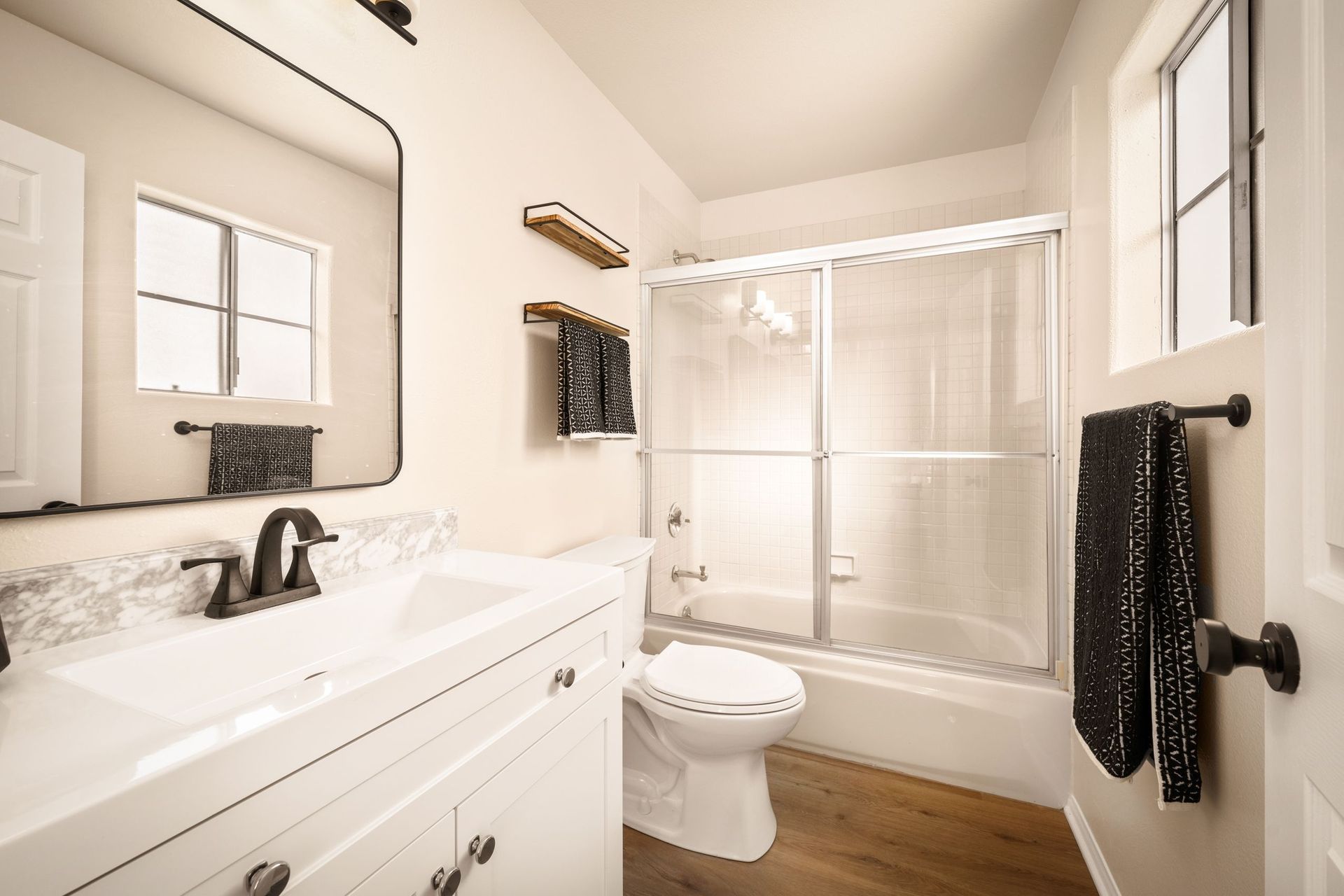
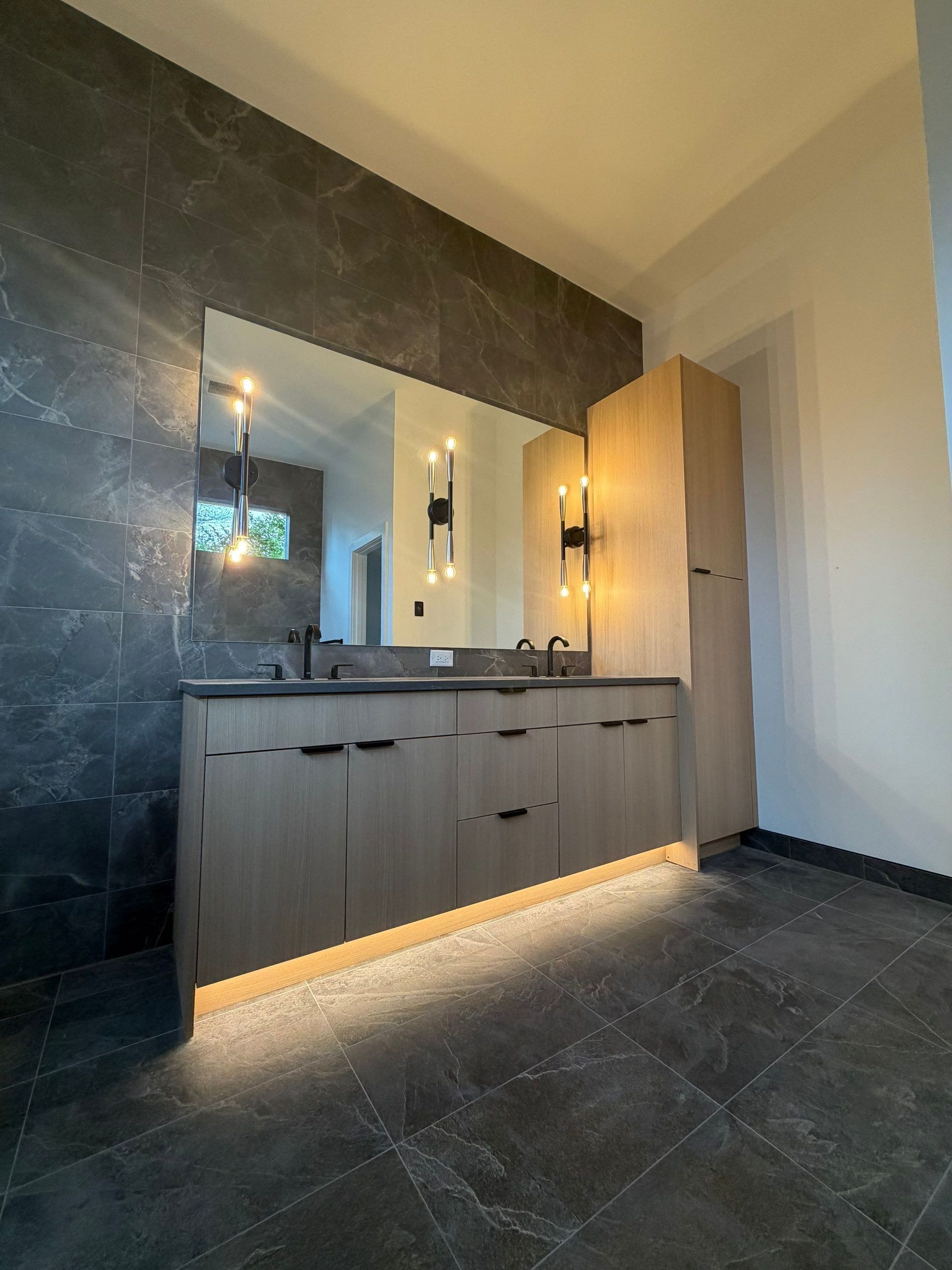
We rebuild to a remodel standard, not an insurance minimum. Tile goes back on a properly waterproofed and flattened substrate. Millwork gets matched to the original profile rather than approximated. The distinction we hold to is simple: a rebuild shouldn't be identifiable as a rebuild.
Frequently asked questions
What is the difference between mitigation and restoration?
Mitigation stops the damage from getting worse — extraction, drying, board-up. Restoration cleans and treats what survived. Reconstruction rebuilds what was removed.
Do I need different companies for water damage and rebuilding?
Not necessarily, but they're different capabilities. Mitigation needs 24/7 response and drying equipment; reconstruction needs a licensed builder and finish craft. Many homeowners use a mitigation specialist and a separate builder.
How long after water damage can rebuilding start?
After the structure reaches a documented dry standard — typically 3–7 days of active drying — and after the insurance scope is agreed.
Can I choose my own restoration contractor?
In most cases yes. Insurers may recommend a preferred vendor, but you generally have the right to choose who works on your home. See our post on preferred contractors.
Who pays the mitigation company?
On a covered loss, the carrier — mitigation companies usually bill the insurer directly. Your deductible still applies to the claim overall.
---
*Fortress Build & Finish —
(206) 426-2067 · Licensed, bonded and insured — License No. FORTRBF756KA · Serving Seattle, Ballard, Magnolia, Queen Anne, West Seattle, Capitol Hill, Wallingford, Bellevue, Kirkland, Renton, Shoreline, Edmonds and the surrounding communities ·
fortressbuildfinish.com*