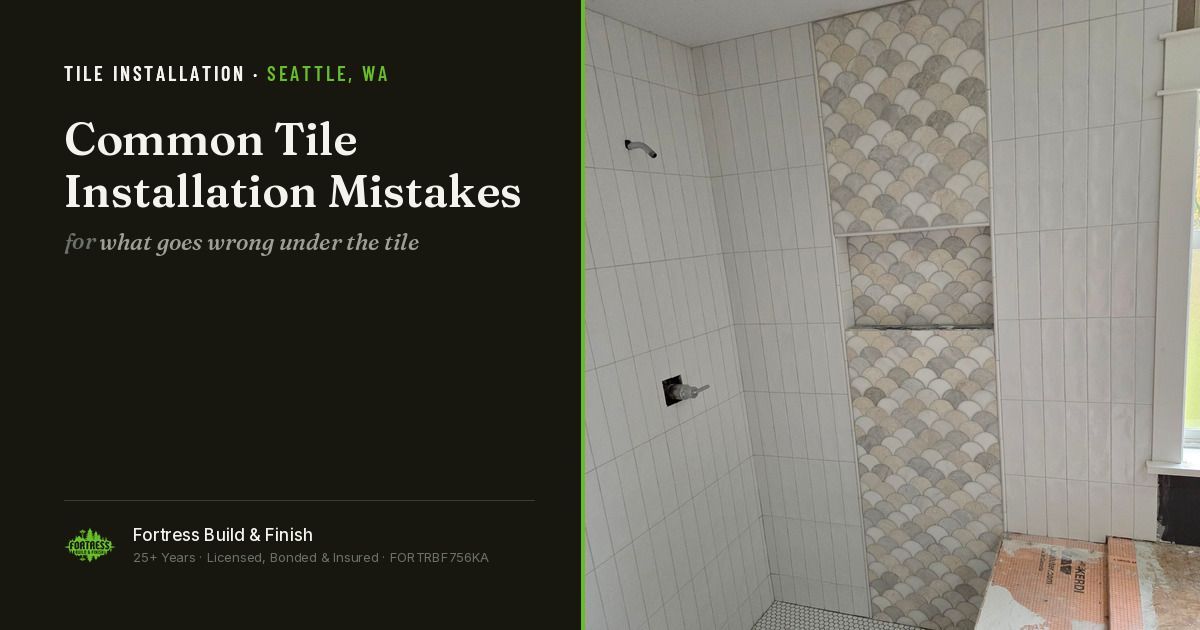
The most common tile installation mistakes — inadequate waterproofing, poor substrate preparation, uneven lippage, and rushed layout planning — often aren't visible until months or years later, which is why choosing an experienced installer matters more than most homeowners initially realize.
Inadequate Waterproofing
**The mistake:** Skipping or under-applying a waterproof membrane behind tile in wet areas — showers, tub surrounds, and sometimes bathroom floors — allows moisture to penetrate behind the tile and into the wall or subfloor structure.
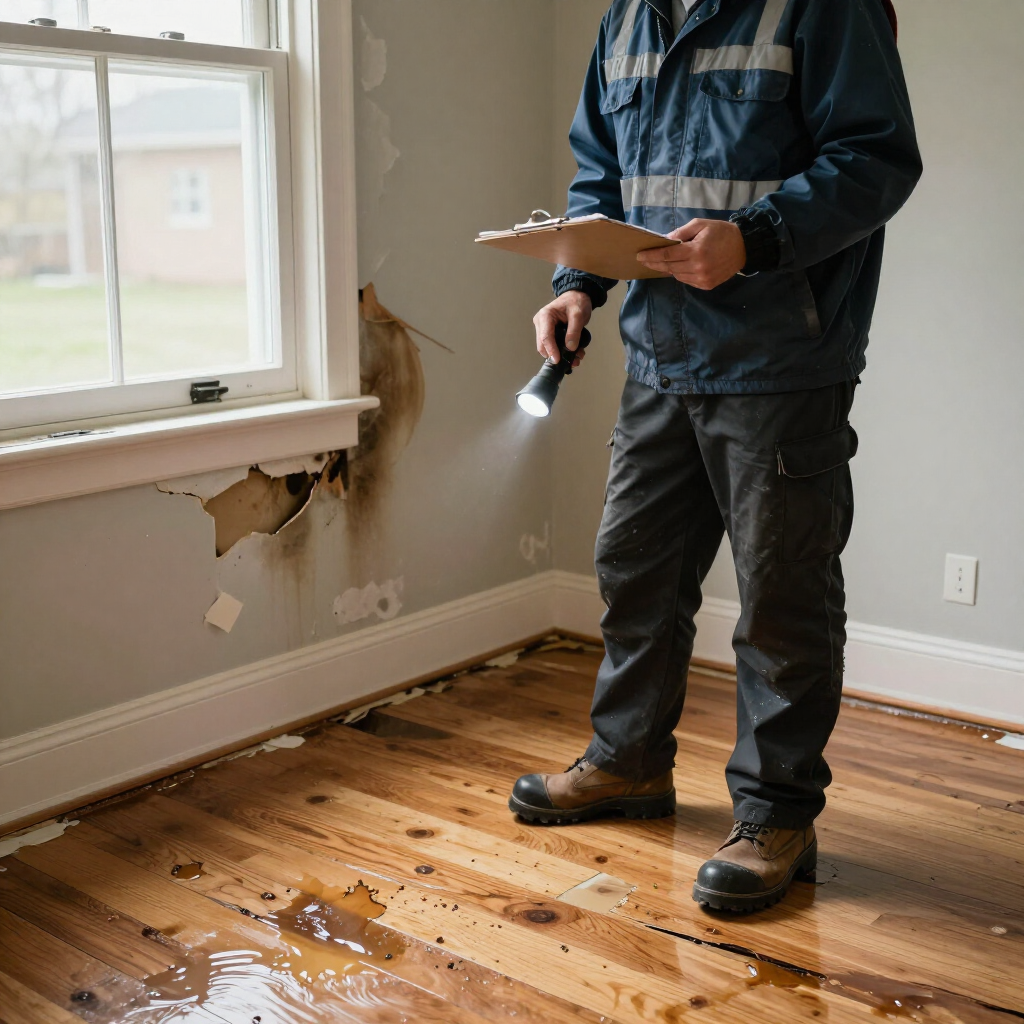
**Why it matters:** This is the single most consequential tile mistake, since the resulting damage (mold, rot, structural deterioration) is hidden behind the tile and often isn't discovered until it's caused significant, expensive damage.
**How professional installation avoids it:** A properly applied waterproof membrane system, correctly detailed at corners, niches, and transitions, before any tile goes up.
Poor Substrate Preparation
**The mistake:** Installing tile over an uneven, unstable, or improperly prepared subfloor or wall surface.
**Why it matters:** Tile installed over a flawed substrate is prone to cracking, popping loose, or developing visible lippage (uneven edges between adjacent tiles) over time.
**How professional installation avoids it:** Proper substrate leveling, and using the correct backer board or underlayment for the specific application, before tile installation begins.
Uneven Lippage
**The mistake:** Adjacent tiles installed at slightly different heights, creating a noticeable ridge between them.
**Why it matters:** Beyond looking unfinished, lippage creates a tripping hazard on floors and makes cleaning more difficult.
**How professional installation avoids it:** Careful use of leveling systems during installation and attention to substrate flatness, particularly important with the large-format tile that's popular today, since bigger tiles show lippage more noticeably than small tile.
Rushed or Poor Layout Planning
**The mistake:** Starting installation without carefully planning the layout first, resulting in awkward, sliver-thin tile pieces at walls, corners, or around fixtures.
**Why it matters:** A well-planned layout centers tile symmetrically in a room and avoids the visually awkward thin cuts that make a tile job look unplanned and unprofessional.
**How professional installation avoids it:** Dry-laying and measuring the space before any tile is set, adjusting the starting point to avoid problematic cuts at focal points like the shower entrance or the wall opposite the door.
Incorrect Grout Selection and Application
**The mistake:** Using the wrong grout type for the application (unsealed grout in a high-moisture area, for example), or inconsistent grout lines and application.
**Why it matters:** Poor grout choices lead to staining, cracking, and reduced water resistance over time.
**How professional installation avoids it:** Selecting grout appropriate to the tile size, joint width, and moisture exposure of the specific space, with careful, consistent application and proper sealing where needed.
Ignoring Expansion Joints
**The mistake:** Failing to include expansion joints in large tile installations, particularly where tile meets a different material or spans a large area.
**Why it matters:** Without room to expand and contract with temperature changes, tile installations can crack or buckle over time.
**How professional installation avoids it:** Planning appropriate expansion joints based on the size of the installation and industry-standard spacing guidelines.
How Fortress Build & Finish Can Help
Our custom tile installation team follows established industry standards for waterproofing, substrate preparation, and layout on every project, avoiding the shortcuts that lead to the problems above. With more than 25 years of experience throughout Seattle, we've also repaired plenty of tile installations that skipped these steps — and we build every new project to avoid becoming a future repair job.
Frequently Asked Questions
How do I know if my tile installation has waterproofing problems?
Signs include soft or spongy areas around a shower or tub, discoloration or staining on an adjacent wall or ceiling, or a persistent musty smell — all worth having professionally evaluated promptly.
What is tile lippage?
Lippage is when adjacent tiles are installed at slightly different heights, creating a visible and sometimes tactile ridge between them — a common issue with poor substrate preparation or rushed installation.
Why does tile layout planning matter?
Careful layout planning avoids awkward, thin tile cuts at walls and focal points, resulting in a more balanced, professional-looking finished installation.
Can a poorly installed tile job be fixed without full removal?
It depends on the specific issue. Surface-level problems like grout color or minor lippage can sometimes be addressed without removal, but waterproofing failures typically require removing and reinstalling the affected tile to properly correct.
---
*Fortress Build & Finish is a locally owned, licensed and bonded construction company serving Seattle and the surrounding communities for more than 25 years. Contact us at
www.fortressbuildfinish.com for professional tile installation done right the first time.*