Water damage restoration follows a structured process — water extraction, drying and dehumidification, cleaning and sanitizing, and finally repair and reconstruction — with moisture monitoring throughout to confirm the space is genuinely dry before rebuilding begins, since closing up walls or flooring over residual moisture leads to mold and structural problems later.
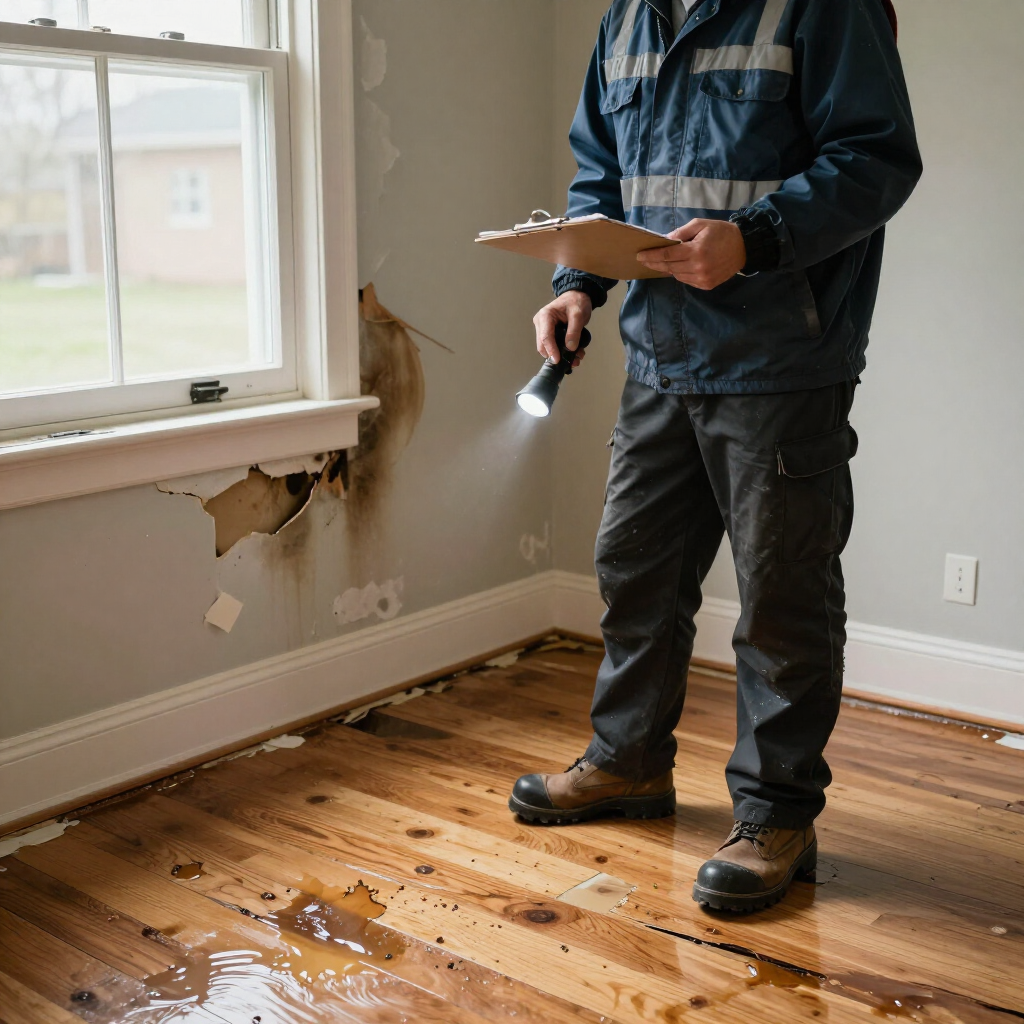
Step 1: Inspection and Water Category Assessment
Water damage is categorized based on the source and contamination level: Category 1 (clean water, like a supply line break), Category 2 (gray water, like from a washing machine or dishwasher), and Category 3 (black water, from sources like sewage backup or flooding). This classification determines the appropriate cleaning and safety protocols for the restoration.
Step 2: Water Extraction
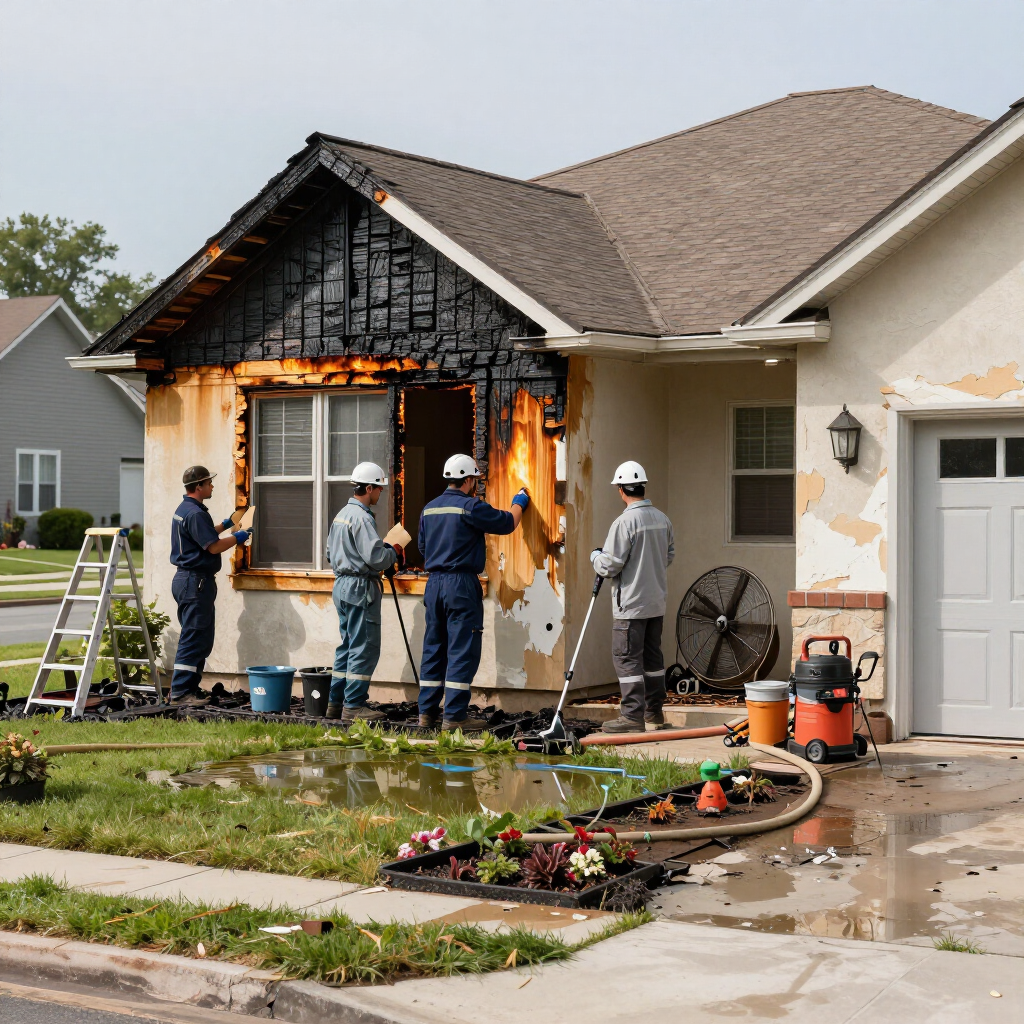
Standing water is removed using pumps and industrial wet vacuums, prioritizing speed to limit how long materials remain saturated. This is typically the first hands-on step once a restoration crew arrives.
Step 3: Drying and Dehumidification
Industrial air movers and dehumidifiers are set up to dry affected structural materials — walls, flooring, subflooring — from the inside out. This phase typically takes several days and is monitored with moisture meters to track progress accurately, rather than relying on visual or touch assessment alone.
Step 4: Cleaning and Sanitizing
Affected surfaces and, where applicable, salvageable belongings are cleaned and sanitized, particularly important for Category 2 and 3 water, which carry contamination risks requiring more rigorous treatment.
Step 5: Mold Prevention and Remediation
If mold has already begun developing, or if conditions created a meaningful risk, remediation addresses it directly — removing affected materials, treating surfaces, and confirming the area is clear before closing up walls or flooring.
Step 6: Removal of Unsalvageable Materials
Drywall, insulation, flooring, and other materials that absorbed too much water to be safely dried and restored are removed and disposed of properly.
Step 7: Repair and Reconstruction
This is where restoration shifts into full construction work — replacing drywall and insulation, restoring or replacing flooring, repairing cabinetry, and rebuilding any structural elements affected by the water damage.
Step 8: Final Inspection and Walkthrough
A final moisture check and walkthrough confirms the space is fully dry and repairs are complete before the project is closed out with your insurance company.
Why Moisture Monitoring Matters Throughout
Materials can appear dry on the surface while still holding moisture internally, particularly in wood framing, subflooring, and behind drywall. Professional restoration uses moisture meters throughout the drying process — not just a visual check — to confirm materials have actually reached a safe moisture level before reconstruction begins. Skipping this step is one of the most common causes of hidden mold problems that surface months after a rushed or incomplete restoration.
How Fortress Build & Finish Can Help
We manage the full water damage restoration process from emergency extraction through complete reconstruction, using moisture monitoring throughout to confirm materials are genuinely dry before we rebuild. With more than 25 years serving Seattle, our in-house construction and finish carpentry teams carry your project seamlessly from restoration into a fully finished repair.
Frequently Asked Questions
What are the different categories of water damage?
Category 1 is clean water (like a supply line break), Category 2 is gray water with some contamination (like from an appliance), and Category 3 is black water with significant contamination (like sewage or flooding) — each requires different cleaning protocols.
How long does the drying phase of water damage restoration take?
Drying typically takes several days, monitored with moisture meters to confirm materials have reached a safe level before reconstruction begins, rather than a fixed timeline applied to every situation.
Can walls or flooring be closed up before they're fully dry?
No — closing up materials that still hold moisture is one of the most common causes of hidden mold problems developing later, which is why professional restoration relies on moisture meter readings rather than visual assessment alone.
Does water damage restoration include rebuilding, or just drying?
A full-service restoration company handles both: extraction, drying, and cleaning, followed by the repair and reconstruction needed to fully restore the affected areas.
---
*Fortress Build & Finish is a locally owned, licensed and bonded fire and water damage restoration company serving Seattle and the surrounding communities for more than 25 years. Contact us at
www.fortressbuildfinish.com for full-service water damage restoration.*