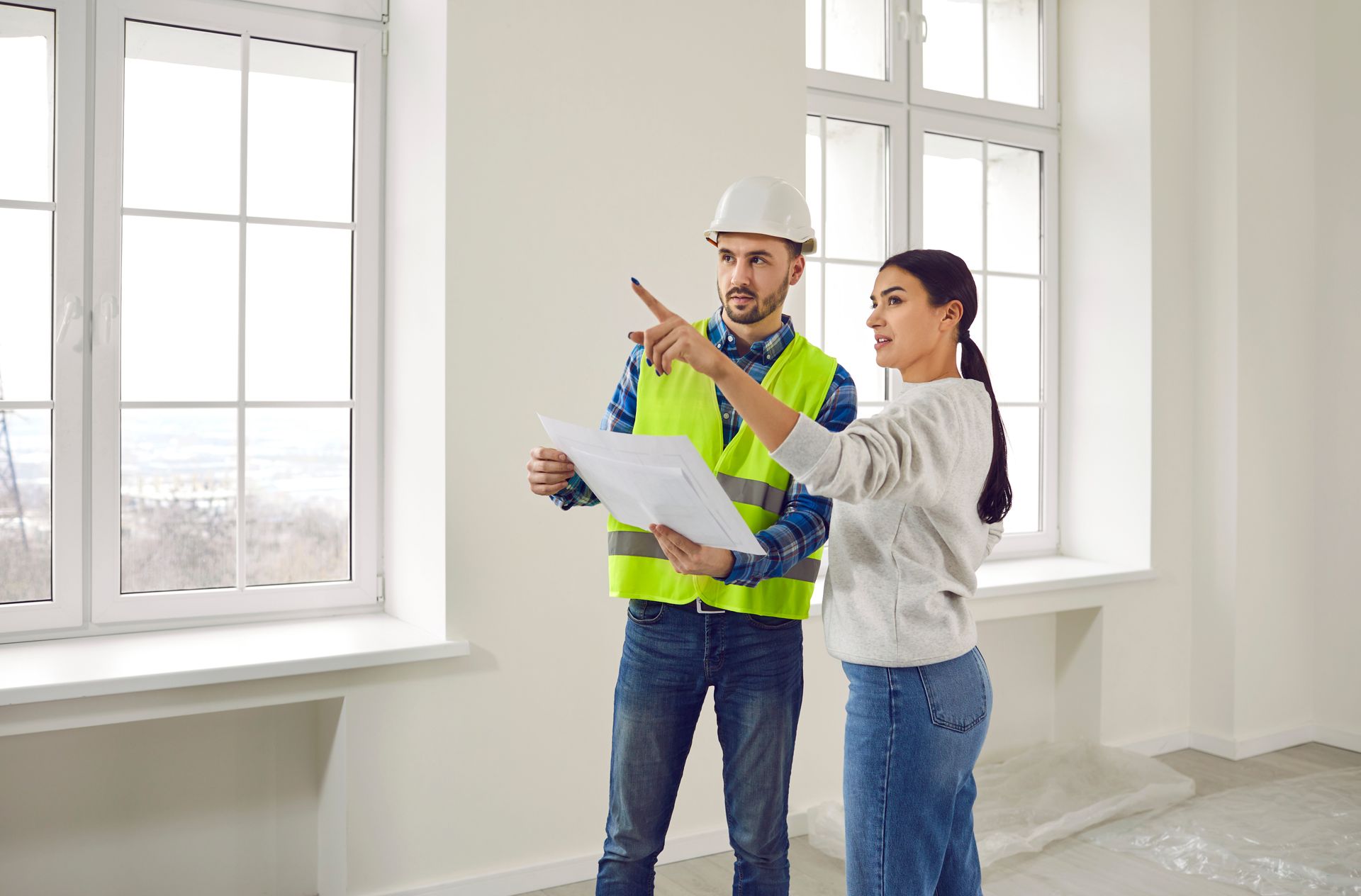
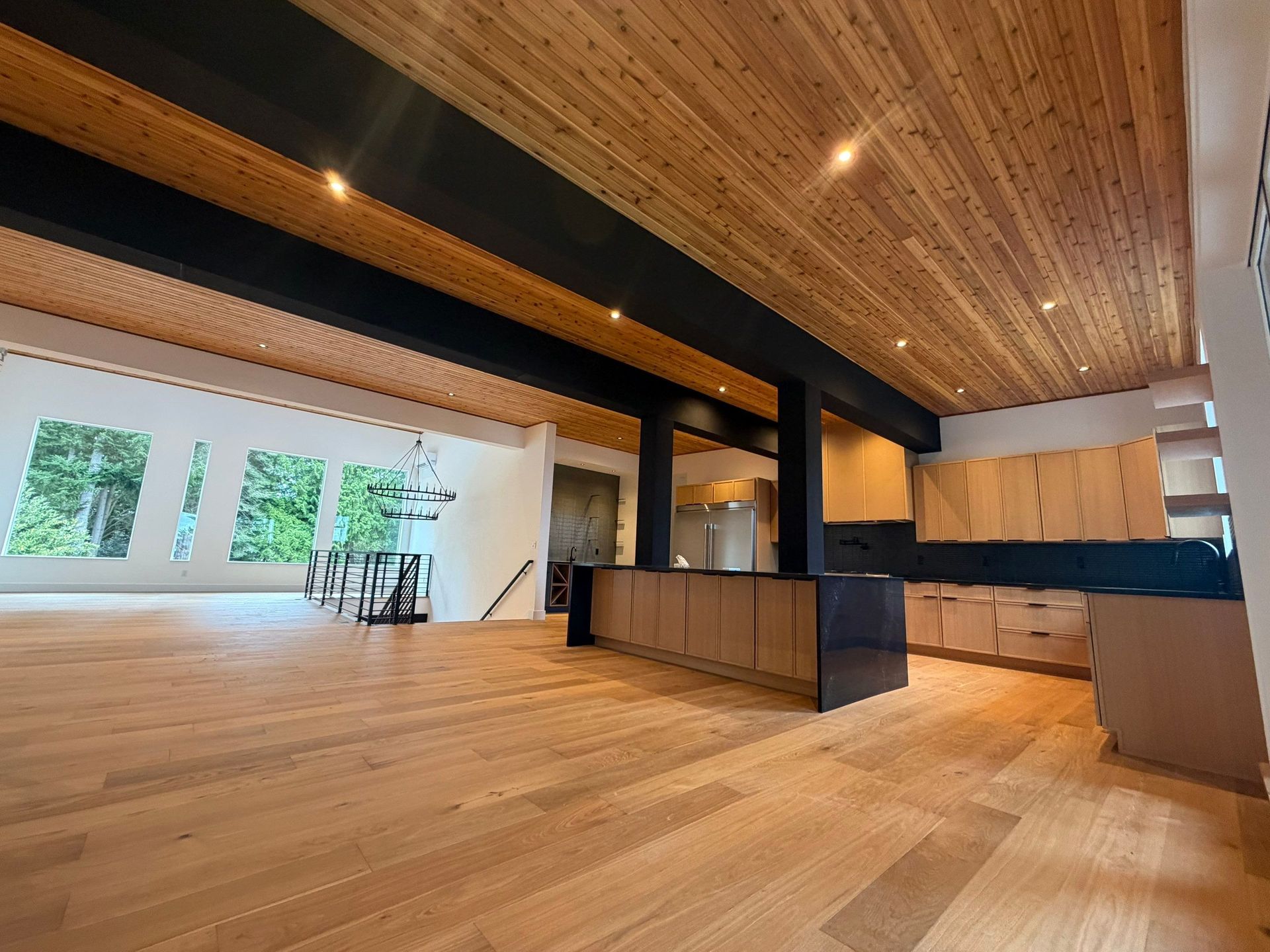
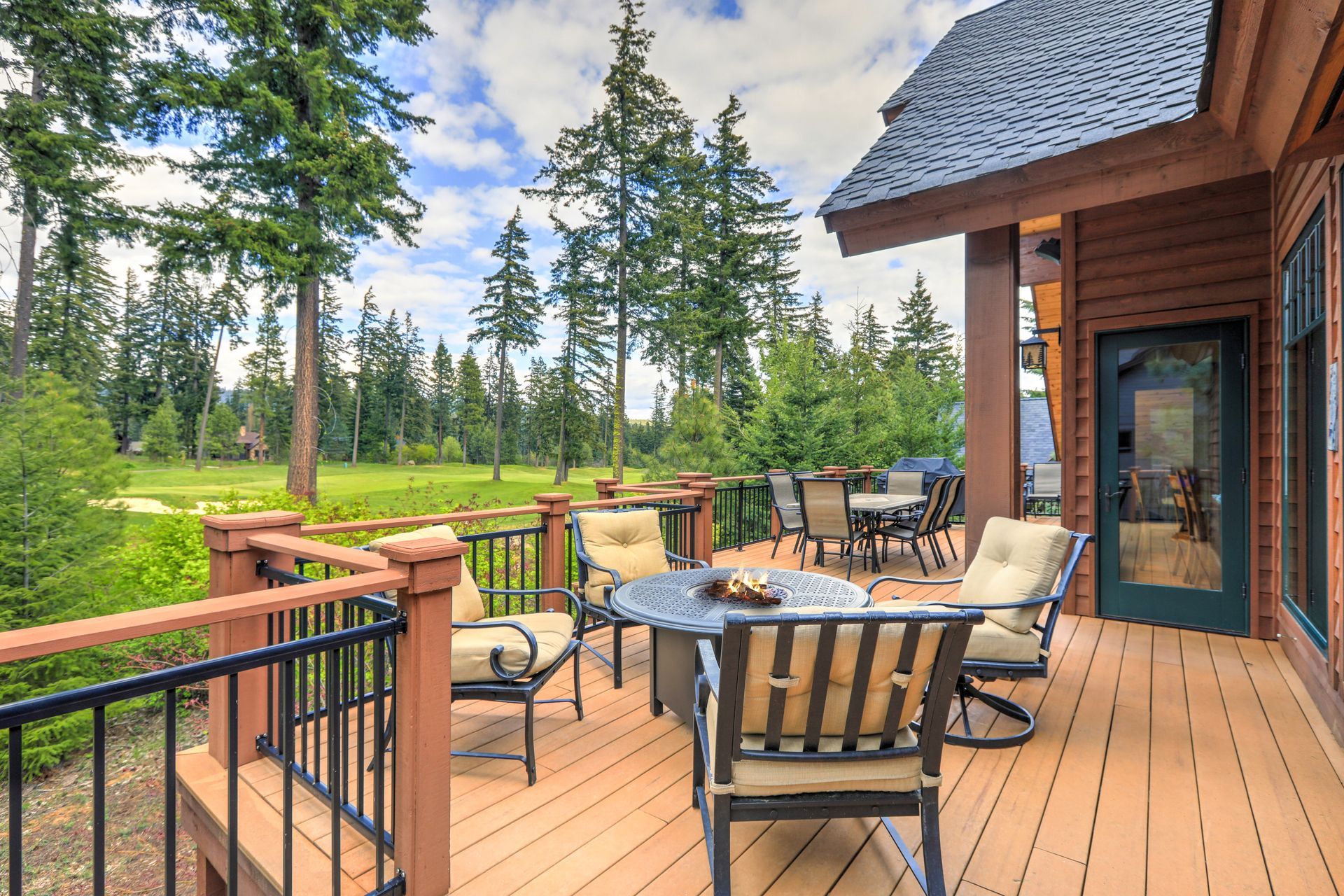
A locally owned Seattle contractor brings direct knowledge of the region's permitting process, older housing stock, climate-related building challenges, and neighborhood-specific considerations — advantages that a national chain or out-of-area contractor simply can't match, regardless of size or marketing reach.
Deep Familiarity With Seattle's Housing Stock
Seattle's homes span more than a century of construction — from early 1900s Craftsman bungalows in Ballard and Wallingford to mid-century homes in Shoreline and Renton to modern infill construction throughout the city. A contractor with extensive local experience has likely already encountered the specific quirks of your home's era: knob-and-tube wiring, galvanized plumbing, lath-and-plaster walls, or foundation types common to a particular decade and neighborhood.
Real Relationships With SDCI and the Permitting Process
Every city's permitting process has its own rhythms, requirements, and points of contact. A contractor who works in Seattle regularly understands how to navigate the Seattle Department of Construction and Inspections efficiently, reducing the delays and surprises that can come from unfamiliarity with local requirements.
Understanding of Climate-Specific Building Challenges
Seattle's wet climate creates specific considerations for waterproofing, moisture management, and material selection that don't apply the same way in drier regions. A local contractor builds with this climate reality in mind by default — in basement waterproofing, exterior tile selection, and moisture-conscious construction methods — rather than needing to adapt standard practices to local conditions.
Established Relationships With Local Suppliers and Subcontractors
Contractors who've worked in the Seattle area for years typically have established relationships with local material suppliers, specialty subcontractors, and inspectors — relationships that can translate into smoother scheduling, better material availability, and fewer communication breakdowns during your project.
Accountability and Community Reputation
A locally owned company depends on its reputation within the community it serves. Local contractors are more likely to be personally invested in customer satisfaction and referrals from neighbors, past clients, and the broader Seattle community — accountability that's harder to replicate with a national franchise operating across many markets.
Faster Response Times
For time-sensitive situations — particularly emergency fire or water damage response — a locally based contractor can typically respond faster than a company dispatching from farther away, which matters significantly when minimizing damage is directly tied to response speed.
What to Look for in a Local Contractor
- Washington State contractor licensing, verified independently
- Genuine local presence and years of experience in the Seattle area specifically
- References from past clients in your neighborhood or similar homes
- Clear communication and detailed, itemized estimates
- In-house trades (like finish carpentry and tile installation) for tighter quality control
How Fortress Build & Finish Fits This Description
We're locally owned and operated, with more than 25 years of experience throughout Seattle and the surrounding communities. Our team has worked in nearly every era of the city's housing stock, understands SDCI's permitting process firsthand, and builds with Seattle's climate in mind on every project — from a kitchen remodel to a full fire damage rebuild.
Frequently Asked Questions
Is it better to hire a local contractor than a national chain?
For most homeowners, yes — local contractors typically bring deeper familiarity with the area's building codes, housing stock, and climate considerations, along with faster response times and stronger community accountability.
How do I verify a contractor is genuinely locally owned and experienced?
Ask directly about their years of operation in the Seattle area specifically, request local references, and verify their license through the Washington State Department of Labor & Industries.
Does local experience matter for emergency restoration work?
Yes, significantly — for fire and water damage, faster response time directly limits the extent of damage, and a locally based contractor can typically respond more quickly than one dispatching from farther away.
What questions should I ask to gauge a contractor's local experience?
Ask how long they've worked in the Seattle area specifically, what neighborhoods and housing types they're most familiar with, and for references from projects similar to yours in the local area.
---
*Fortress Build & Finish is a locally owned, licensed and bonded construction and restoration company serving Seattle and the surrounding communities for more than 25 years. Contact us at www.fortressbuildfinish.com to work with a team that knows Seattle.*