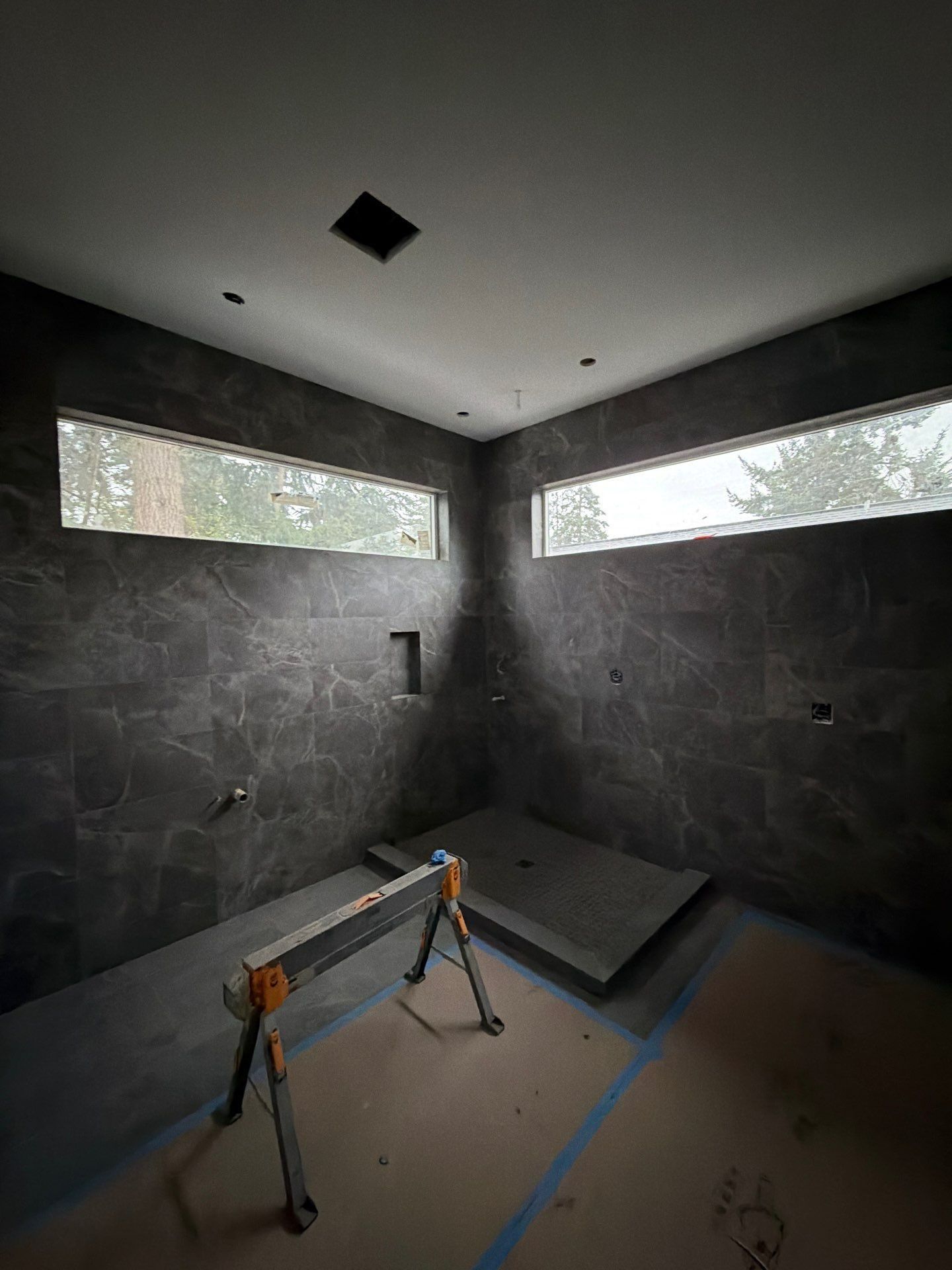
Filing an insurance claim for fire or water damage starts with prompt notification to your insurer, thorough documentation of the damage before cleanup begins, and careful review of your adjuster's assessment against an independent, detailed estimate from your restoration contractor — steps that together help ensure your claim reflects the full, accurate cost of restoring your home.
Step 1: Notify Your Insurance Company Promptly
Most policies require timely notification of a loss. Contact your insurer as soon as possible after the damage occurs to begin the claims process and get an adjuster assigned to your case.
Step 2: Document Everything Before Cleanup
Photograph and video the damage thoroughly — every affected room, from multiple angles — before any cleanup or repairs begin. This documentation is often the most important evidence supporting your claim, and it's much harder to recreate after the fact.
Step 3: Secure the Property
Most policies require homeowners to take reasonable steps to prevent further damage after a loss — boarding up broken windows, tarping a damaged roof — while the claim is being processed. A restoration company can typically handle this quickly.
Step 4: Get a Professional Damage Assessment
A detailed assessment from an experienced restoration contractor gives you an independent, thorough scope of the damage, which is valuable both for your own understanding and as a reference point when reviewing your insurance adjuster's assessment.
Step 5: Meet With Your Insurance Adjuster
Your adjuster will typically inspect the property and prepare their own assessment of the damage and estimated repair cost. It's reasonable, and often valuable, to have your restoration contractor present during this inspection to help ensure nothing is overlooked.
Step 6: Review the Adjuster's Estimate Carefully
Compare your adjuster's estimate against your contractor's independent assessment. Discrepancies aren't uncommon and don't necessarily indicate a problem, but they're worth discussing directly with your adjuster, with your contractor's detailed documentation as support.
Step 7: Understand Your Policy's Specifics
- **Deductible:** The amount you're responsible for before insurance coverage applies.
- **Actual cash value vs. replacement cost:** Some policies pay the depreciated value of damaged items, while others cover the full cost to replace them — this significantly affects your settlement.
- **Additional living expenses / loss of use:** Coverage that may help pay for temporary housing while your home is being restored.
- **Coverage limits and exclusions:** Some causes of damage (like gradual leaks or groundwater flooding) may be excluded or require separate coverage.
Step 8: Proceed With Restoration
Once the claim is settled, restoration work can begin. Many restoration contractors can start emergency mitigation work immediately, even before the full claim is finalized, since preventing further damage is typically in everyone's interest, including the insurance company's.
Working With a Contractor Who Understands Insurance Claims
A contractor experienced in insurance-related restoration work understands how to document damage in a way that supports your claim, communicate effectively with adjusters, and help you understand what's covered under your specific policy — all of which can make a genuinely difficult process considerably smoother.
How Fortress Build & Finish Can Help
We work directly with Seattle homeowners and their insurance adjusters throughout the claims process, providing detailed, thorough damage assessments and documentation that support a fair, accurate settlement. With more than 25 years of experience, we've guided many homeowners through this exact process during a genuinely stressful time.
Frequently Asked Questions
How soon should I notify my insurance company after damage occurs?
As soon as possible. Most policies require prompt notification, and starting the process quickly helps set your claim in motion sooner.
Should I get my own estimate, or just rely on my insurance adjuster's assessment?
Getting an independent estimate from a restoration contractor is a valuable step, giving you a reference point to compare against your adjuster's assessment and helping ensure nothing is overlooked in your claim.
What's the difference between actual cash value and replacement cost coverage?
Actual cash value pays the depreciated value of damaged items, while replacement cost coverage pays the full cost to replace them with new, similar items — a significant difference in your final settlement that's worth understanding in your specific policy.
Can restoration work begin before my insurance claim is fully settled?
Emergency mitigation work — securing the property, preventing further damage — can often begin right away, since this is typically in everyone's interest. Full reconstruction usually waits until the scope and cost are agreed upon with your insurer.
---
*Fortress Build & Finish is a locally owned, licensed and bonded fire and water damage restoration company serving Seattle and the surrounding communities for more than 25 years. Contact us at www.fortressbuildfinish.com for help navigating your insurance claim.*