A water stain on a ceiling, a wet baseboard, or carpet that feels damp underfoot can signal far more than a minor cleanup. In Seattle, where steady rain, aging plumbing, and moisture-prone building assemblies are common realities, water can move quickly into framing, insulation, flooring, and wall cavities. Effective seattle water damage restoration is about controlling that movement early, drying the structure correctly, and rebuilding with the same care the property deserved before the loss.
The visible water is only part of the problem. What cannot be seen behind drywall or beneath finished flooring often determines the true scope of repairs. A dependable restoration contractor brings order to a stressful situation by documenting conditions, coordinating with insurance when needed, protecting unaffected areas, and managing repairs from emergency response through final finish work.
The First Hours Matter Most
When water enters a home or commercial space, the priority is safety and source control. If a supply line has failed, turn off the water if it is safe to do so. If the source is a roof leak or exterior intrusion, move furniture and valuables away from the affected area where possible. Electrical hazards, contaminated water, sagging ceilings, and extensive flooding require professional assessment before anyone begins cleanup.
Avoid treating a significant loss like a simple spill. Towels, fans, and a wet vacuum can help with a small, contained incident, but they do not confirm whether moisture has traveled into the subfloor, wall framing, insulation, or cabinetry. Closing up wet materials before they are properly dried can lead to odors, deterioration, mold growth, and repairs that become more costly months later.
A few practical actions can protect the property and support the restoration process:
- Photograph affected rooms, damaged belongings, and the apparent source of water before moving items.
- Contact your insurance carrier promptly if the event may be covered, and keep records of conversations and claim information.
- Remove standing water only when conditions are safe, then allow a qualified team to assess hidden moisture.
- Do not discard damaged materials or authorize major repairs until documentation is complete, unless immediate removal is necessary for safety.
Speed matters, but rushed decisions can create avoidable complications. The right response is fast, methodical, and documented.
What Professional Seattle Water Damage Restoration Includes
Restoration is not one task. It is a coordinated sequence of inspection, mitigation, drying, repair, and finish work. The exact plan depends on the water source, how long moisture was present, the materials affected, and whether the building is residential or commercial.
Inspection and moisture mapping
A proper evaluation begins with more than a visual walkthrough. Moisture meters, thermal imaging, and targeted inspection help identify water that has migrated beyond the obvious damage. A leak under a kitchen sink may affect the cabinet base, adjacent flooring, wallboard, and subfloor. Water from an upstairs bathroom can travel along joists before appearing as a ceiling stain in a room below.
This step helps determine which materials can be dried in place and which need removal. Solid wood components may often be saved when addressed quickly. Swollen particleboard cabinetry, saturated insulation, compromised drywall, and delaminated flooring may require replacement. The goal is not to remove more than necessary. It is to make informed decisions that protect the structure and prevent future problems.
Water extraction and controlled drying
Once the affected area is understood, restoration crews remove standing water and begin controlled drying. This may include commercial dehumidifiers, air movers, containment barriers, and careful monitoring of moisture levels. Drying equipment is not simply placed in a room and left running. Placement, airflow, temperature, and humidity all affect results.
In Seattle's damp climate, indoor drying conditions deserve particular attention. Outside air is not always dry enough to solve the problem, especially during wet months. Professional equipment and regular monitoring help bring materials back toward acceptable moisture levels without unnecessarily damaging finishes or leaving hidden dampness behind.
Cleaning, demolition, and protection of unaffected spaces
Some losses require selective demolition to access wet materials. This is especially common when water has entered wall cavities, ceiling assemblies, insulation, or subflooring. Careful containment limits dust and disruption while work is underway, which is valuable for occupied homes and operating businesses.
The type of water also matters. Clean water from a broken supply line is handled differently than water involving sewage, stormwater, or other contaminants. Category of water affects what can be cleaned, what must be removed, and the safety procedures required. A thorough contractor explains these distinctions clearly rather than treating every water event the same way.
Reconstruction and finish restoration
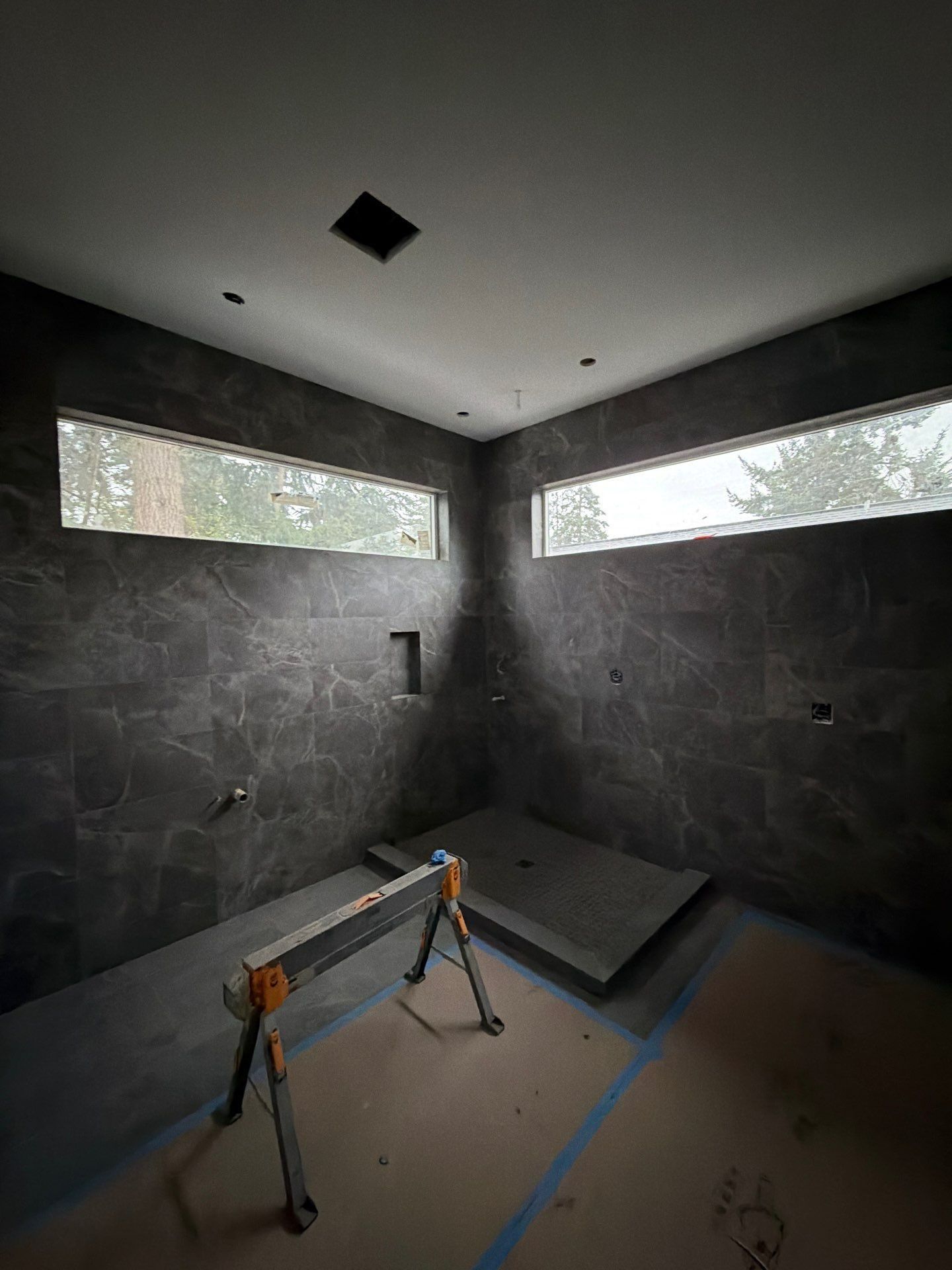
Drying is only the midpoint of the work. After mitigation is complete, the property must be rebuilt to a sound, finished condition. That can include framing repairs, insulation, drywall, painting, flooring, cabinetry, trim, tile, and fixture replacement.
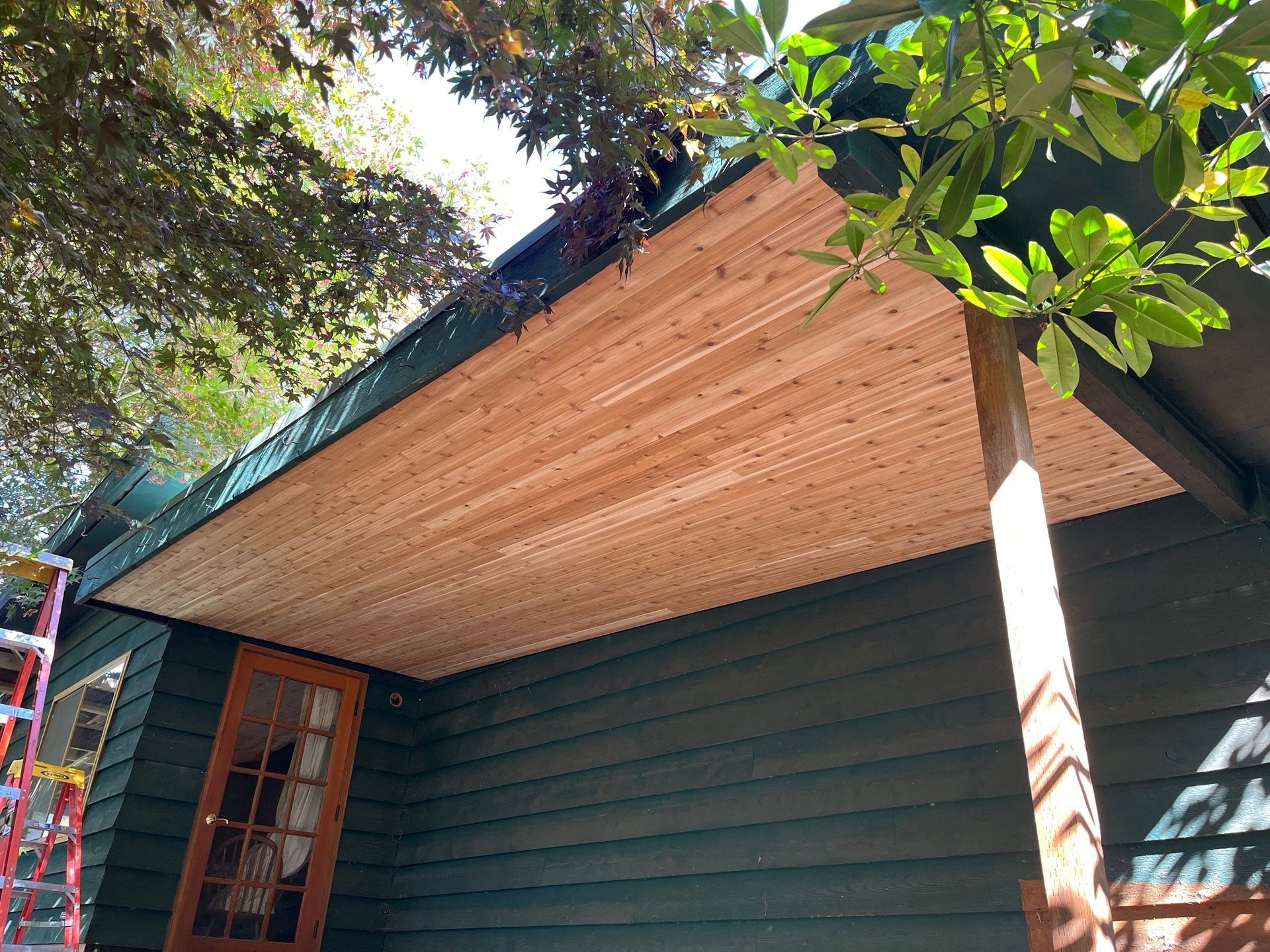
This is where a contractor with both restoration knowledge and finish craftsmanship offers a practical advantage. Instead of handing a partially demolished space from one company to another, property owners can work with a team equipped to manage the full rebuild. Matching existing materials can be challenging, particularly in older Seattle homes or spaces with custom tile, millwork, and premium finishes. Thoughtful material selection and precise installation make the repaired area feel intentional, not patched together.
Common Seattle Causes of Water Damage
Seattle properties face a mix of weather-related and interior water risks. Roof leaks and failed flashing can allow persistent rain to enter attics and wall assemblies. Clogged gutters or poor drainage can direct water toward foundations. Older supply lines, worn appliance hoses, failed water heaters, and leaking shower pans are frequent causes of interior damage.
Condominiums and multifamily buildings add another layer of complexity. Water may originate in an adjacent unit, a shared plumbing stack, or a common building component. In these cases, documentation, communication with property management, and a clear understanding of responsibility can be just as important as the physical repair work.
Commercial properties have their own concerns. A small leak above a retail display, office suite, or restaurant workspace can interrupt operations, affect inventory, and create liability concerns. The restoration plan should account for access, safety, scheduling, and how to keep disruption as limited as reasonably possible. It depends on the property, but phased work or off-hours reconstruction may help businesses remain functional during repairs.
Insurance Support Without the Guesswork
Insurance claims can feel confusing when a property is already under stress. Coverage depends on the policy and cause of loss. Sudden and accidental water damage may be treated differently from long-term leaks, deferred maintenance, flood events, or groundwater intrusion. A contractor cannot determine coverage, but detailed estimates, photographs, moisture documentation, and a clear scope of work can support a more organized claim process.
It is also wise to distinguish mitigation from reconstruction. Emergency drying and removal may need immediate authorization to protect the building. Final material selections and rebuild details can follow once the scope is confirmed. Homeowners and business owners should ask questions, review proposed work, and understand what is being repaired before finishes are selected.
Fortress Build & Finish helps Seattle property owners navigate this process with insurance-claim support and a construction-focused approach to rebuilding. The objective is straightforward: restore the damaged area responsibly, then complete the work with quality and care that fits the rest of the property.
Choosing a Restoration Contractor for the Rebuild
Not every water damage company handles reconstruction at the same level. Some focus primarily on extraction and demolition, leaving owners to find separate trades for drywall, flooring, cabinetry, or finish carpentry. That arrangement may be appropriate for a straightforward loss, but it can create more coordination for complex homes, commercial interiors, or spaces with high-end details.
Ask how the contractor identifies hidden moisture, documents progress, communicates with insurers, and manages the transition from drying to reconstruction. Also ask who will oversee finish details. A bathroom with custom tile, a kitchen with built-in cabinetry, or an office with specialized millwork needs more than a basic patch. It needs a repair plan that respects function, appearance, and long-term durability.
Clear communication is a sign of good project management. Property owners should know what happened, what work is necessary now, what may be decided later, and what conditions could change the scope. No restoration project benefits from vague promises or unexplained delays.
A Dry Space Is the Starting Point for a Lasting Repair
Water damage is disruptive, but the right response can prevent a temporary incident from becoming a lasting problem. Address the source, document the damage, dry the structure thoroughly, and choose a contractor capable of rebuilding the space with precision. When the final wall is painted, tile is set, or flooring is installed, the repair should give you confidence that the space is ready to serve your home or business again.