A kitchen remodel in Seattle typically costs between $20,000 and $150,000+, depending on scope. A minor cosmetic refresh runs $15,000–$30,000, a mid-range remodel runs $40,000–$80,000, and a high-end or luxury remodel starts around $90,000 and can exceed $150,000. Most Seattle projects fall in the $150–$300 per square foot range once labor, permits, and finish level are factored in.
That's the short answer. The rest of this guide breaks down where that money goes, what's trending in Seattle kitchens in 2026, whether a remodel actually pays for itself, and what to expect from permits to move-in day.
How Much Does a Kitchen Remodel Cost in Seattle in 2026?
Cost depends heavily on kitchen size and the scope of work. Here's how Seattle-area projects typically break down:
Project Scope. Cost Range
Minor cosmetic refresh (paint, hardware, fixtures) $15,000 – $30,000
Small kitchen remodel (under 100 sq ft) $20,000 – $45,000
Mid-range remodel (100–200 sq ft) $40,000 – $90,000
High-end / luxury remodel (200+ sq ft or premium materials) $90,000 – $150,000+
Component costs that make up the bulk of any budget:
Component Typical Cost
Countertops (quartz, granite, butcher block) $4,000 – $15,000+
Mid-range appliance package $6,000 – $15,000
High-end appliance package $20,000 – $50,000+
Custom cabinetry Varies widely by material and layout complexity
Labor is the biggest line item Seattle homeowners underestimate. Skilled tradespeople — electricians, plumbers, cabinet installers — command some of the highest hourly rates in the country here, which is the main reason a Seattle remodel costs meaningfully more than the same project in a lower cost-of-living market.
Why Seattle Kitchen Remodels Cost More Than the National Average
Three local factors drive Seattle's premium over national averages:
Labor market. Seattle's construction labor pool is in high demand across residential and commercial work, which pushes hourly rates — and therefore total project cost — above the national median.
Home values. The average Seattle home value sits around $868,680, which raises the bar for what "worth it" looks like. Homeowners in this market are often remodeling to match a kitchen to a home that's already appreciated significantly, not just to fix something broken.
Permitting complexity. Seattle's Department of Construction & Inspections (SDCI) reviews electrical, plumbing, and structural changes closely, which adds both time and cost that a simpler jurisdiction might not require. More on this below.
Is a Kitchen Remodel Worth It? ROI in 2026
The math depends heavily on scope. According to national cost-vs-value data for 2026:
- A minor, midrange kitchen remodel — refaced cabinets, new hardware, updated counters, mid-range appliances, fresh paint — averages $27,492 in cost and returns about 96% ROI ($26,392 in added home value).
- A major, upscale kitchen remodel — full gut renovation, high-end appliances and materials — averages $158,000in cost but returns closer to 40% ROI ($63,200 in added value).
The takeaway: smaller, targeted updates return nearly dollar-for-dollar at resale, while a full luxury gut renovation is worth doing for how you'll live in the space, not primarily as a financial play. Pacific-region homes tend to perform at or above the national average on most remodel categories, which works in Seattle homeowners' favor either way.
6 Kitchen Design Trends Seattle Homeowners Are Choosing in 2026
1. Storage-focused layouts. Built-in storage is the foundation of a 2026 kitchen. Pantry cabinets appear in 47% of new designs, walk-in pantries in 16%, and butler's pantries in 7%. Dedicated coffee and beverage stations are also increasingly common asks.
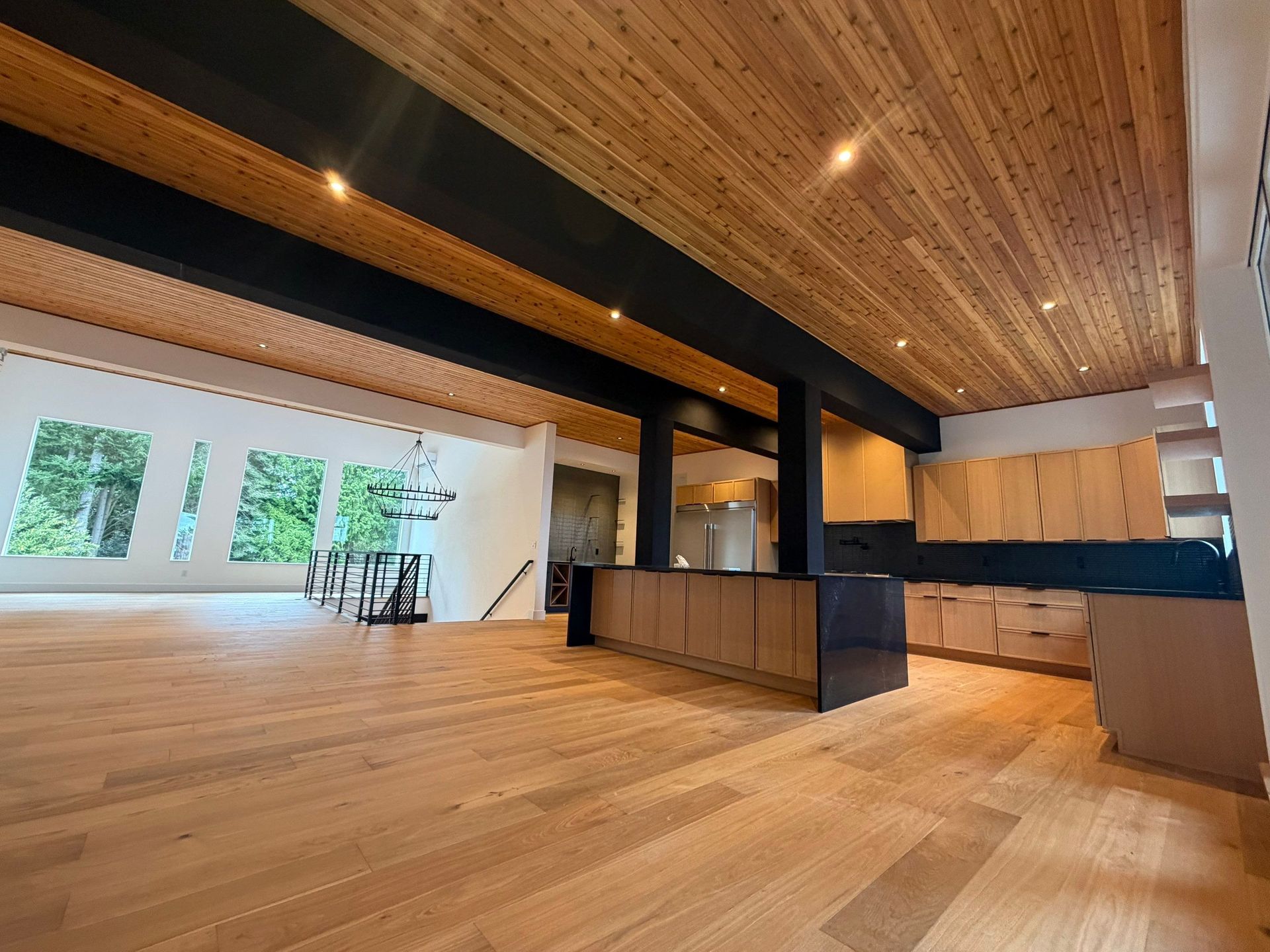
2. Warm wood tones over white. For the first time in years, wood cabinetry has overtaken all-white finishes as the top choice, with medium-toned woods leading. Shaker and flat-panel door styles remain the most popular, paired with brushed nickel, black, or brushed gold hardware.
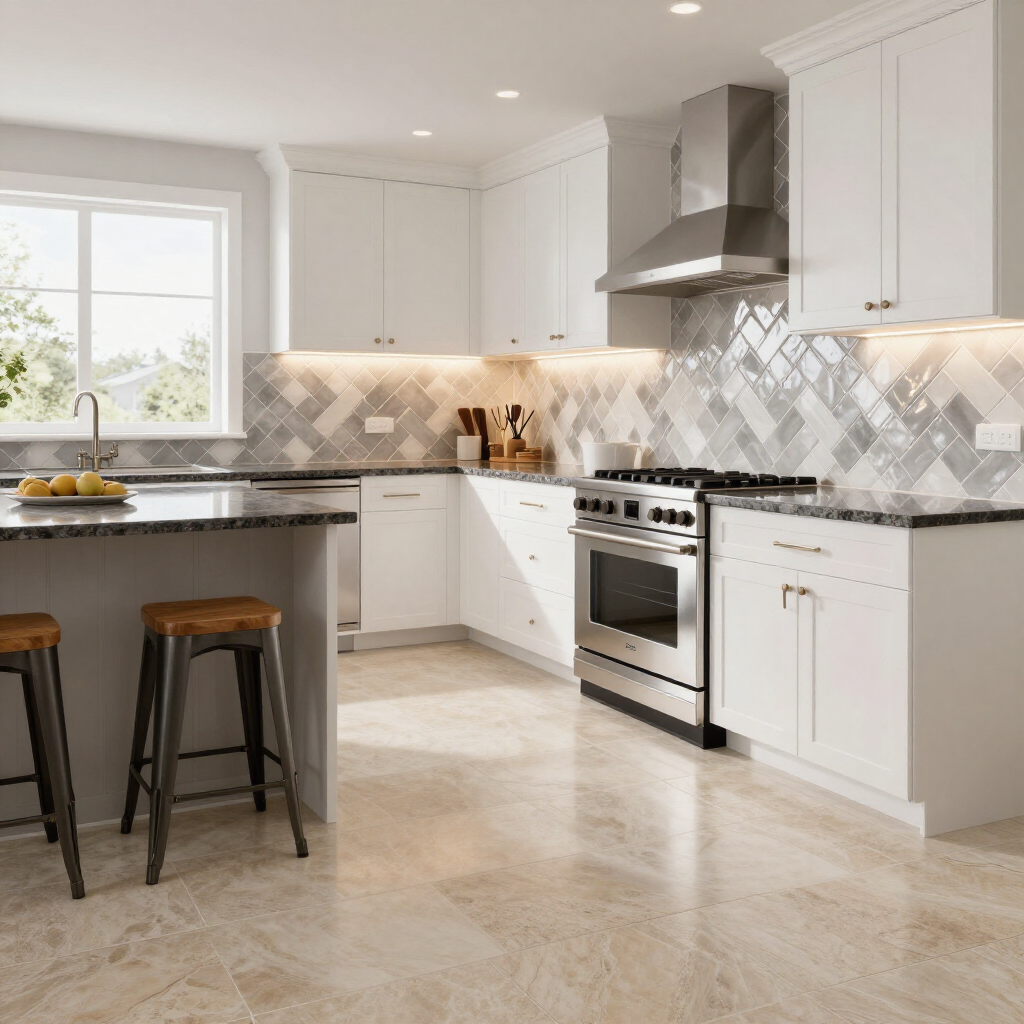
3. Two-tone contrast. Pairing wood island cabinetry with contrasting perimeter cabinets is gaining ground, along with tile backsplashes in white or off-white tones and engineered quartz slab backsplashes for a more seamless look.
4. Bigger, multifunctional islands. Roughly half of new islands now exceed seven feet, and more than half integrate appliances directly — a dishwasher or microwave built into the island rather than the perimeter — turning the island into the kitchen's real work hub.
5. Smart, practical appliances. Homeowners are prioritizing function over flash: adjustable-temperature zones, water-leak alerts, and remote monitoring rank above smart-home novelty features. Stainless steel remains the dominant finish.
6. Age-in-place design. More than half of renovators are building in future adaptability — pull-out cabinets, upgraded lighting, wider drawer pulls, rounded countertop edges, and non-slip flooring — even when the current household doesn't need it yet.
Every one of these trends touches the core of what a remodel actually involves: custom cabinetry, updated countertops, a reworked layout, and current fixtures — the same phases a Seattle contractor should be walking you through in a design consultation.
Do You Need a Permit for a Kitchen Remodel in Seattle?
Seattle's SDCI requires a permit for most work that touches electrical, plumbing, ventilation, or structure. Specifically:
- Electrical: Adding or moving outlets, lights, or circuits requires a permit.
- Plumbing: Relocating a sink — even a few feet — requires a permit because it affects supply lines and venting. New dishwasher lines and drain modifications also require sign-off.
- Structural changes: Removing a load-bearing wall, enlarging a doorway or opening, or altering any structural element requires approval, even when the change looks minor.
- Ventilation: Modifying ductwork or adding an exhaust fan requires a permit.
Purely cosmetic work — painting, refinishing cabinets, replacing flooring, adding trim or molding, or swapping countertops without moving the sink — generally doesn't require one.
The catch: a lot of projects fall into a gray area, and Seattle has gotten stricter about utility modifications in recent years. A contractor who pulls and manages permits as part of the project (rather than leaving it to the homeowner) removes this risk entirely.
How Long Does a Kitchen Remodel Take in Seattle?
Most Seattle kitchen remodels take a few weeks to two months from start to finish, depending on scope and how quickly permits clear. The general phases:
- Design consultation — scope, budget, and material selection.
- Permitting — SDCI review for any electrical, plumbing, or structural work.
- Demolition — removal of existing cabinetry, countertops, and fixtures.
- Construction — framing (if needed), rough-in electrical/plumbing, cabinetry installation, countertops, and finish work.
Projects that stay cosmetic (no sink relocation, no structural changes) tend to land at the shorter end of that range; full layout changes push toward the longer end.
How to Choose a Kitchen Remodeling Contractor in Seattle
A few checks before signing anything:
- Verify licensing, bonding, and insurance. In Washington, this is public record — ask for the license number and confirm it's active.
- Ask who pulls permits. A contractor who manages SDCI permitting directly is taking on risk you'd otherwise carry yourself.
- Look for local tenure, not just reviews. A contractor with decades of Seattle-specific experience has already navigated this city's permitting quirks and labor market.
- Get a written timeline and budget before demolition starts, not after.
Fortress Build & Finish has been doing residential remodeling and restoration work in Seattle for over 25 years, is licensed (WA #FORTRBF756KA), bonded, and insured, and manages design consultation, permitting, demolition, and construction in-house — so homeowners aren't coordinating separate permit runners, designers, and crews themselves.
Frequently Asked Questions
How much does a kitchen remodel cost in Seattle? Seattle kitchen remodels typically range from $15,000 for a cosmetic refresh to $150,000+ for a high-end, full gut renovation, with most mid-range projects landing between $40,000 and $90,000, or roughly $150–$300 per square foot.
Do I need a permit to remodel my kitchen in Seattle? Yes, if the project involves electrical, plumbing (including moving a sink), structural changes, or ventilation work. Purely cosmetic updates like paint, flooring, and cabinet refacing generally don't require a permit.
How long does a kitchen remodel take? Most Seattle kitchen remodels take a few weeks to two months, depending on scope, permit approval times, and whether the layout is changing.
Is a kitchen remodel worth it in Seattle? Minor, midrange remodels return close to 96% of their cost in added home value. Major luxury remodels return closer to 40%, making them worth it primarily for livability rather than resale math.
What kitchen design trends are popular in Seattle in 2026? Storage-focused layouts, warm wood cabinetry, two-tone contrast finishes, larger multifunctional islands, practical smart appliances, and age-in-place features are the six leading trends for 2026.
Ready to Start Your Seattle Kitchen Remodel?
Fortress Build & Finish has managed residential remodeling and restoration projects across Seattle for over 25 years. Call (206) 426-2067 to schedule a free design consultation and get a written timeline and budget before any work begins.