A room can be fully renovated and still feel unfinished if the final details are rushed. Uneven trim, generic shelving, poorly fitted doors, or gaps around new flooring can distract from even the best kitchen, bath, or office remodel. Custom finish carpentry Seattle property owners choose is about resolving those details with precision, so the space feels intentional from every angle.
For homes and businesses across Seattle, finish work is where construction becomes personal. It defines how cabinetry meets walls, how a stair feels under hand, how a fireplace becomes a focal point, and how a built-in serves the way a family or business actually uses the room. The right approach combines careful planning, quality materials, and experienced installation.
What Custom Finish Carpentry Includes
Finish carpentry covers the visible woodwork and detailed interior elements installed after the structural phase of a project is complete. Unlike rough framing, where the work is largely concealed behind drywall, insulation, and flooring, finish work remains on display every day. Accuracy matters because small inconsistencies become obvious once a room is painted, furnished, and lived in.
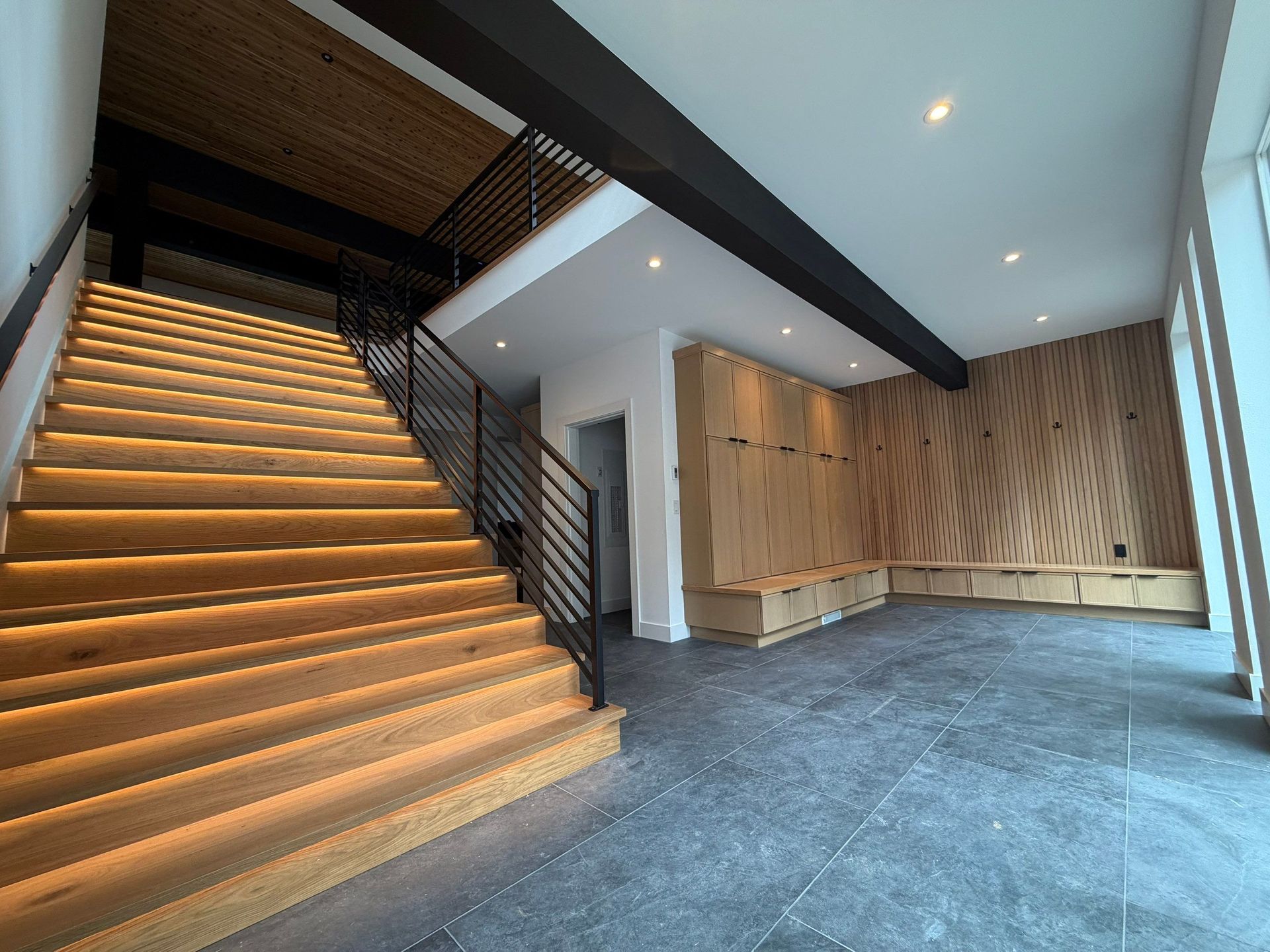
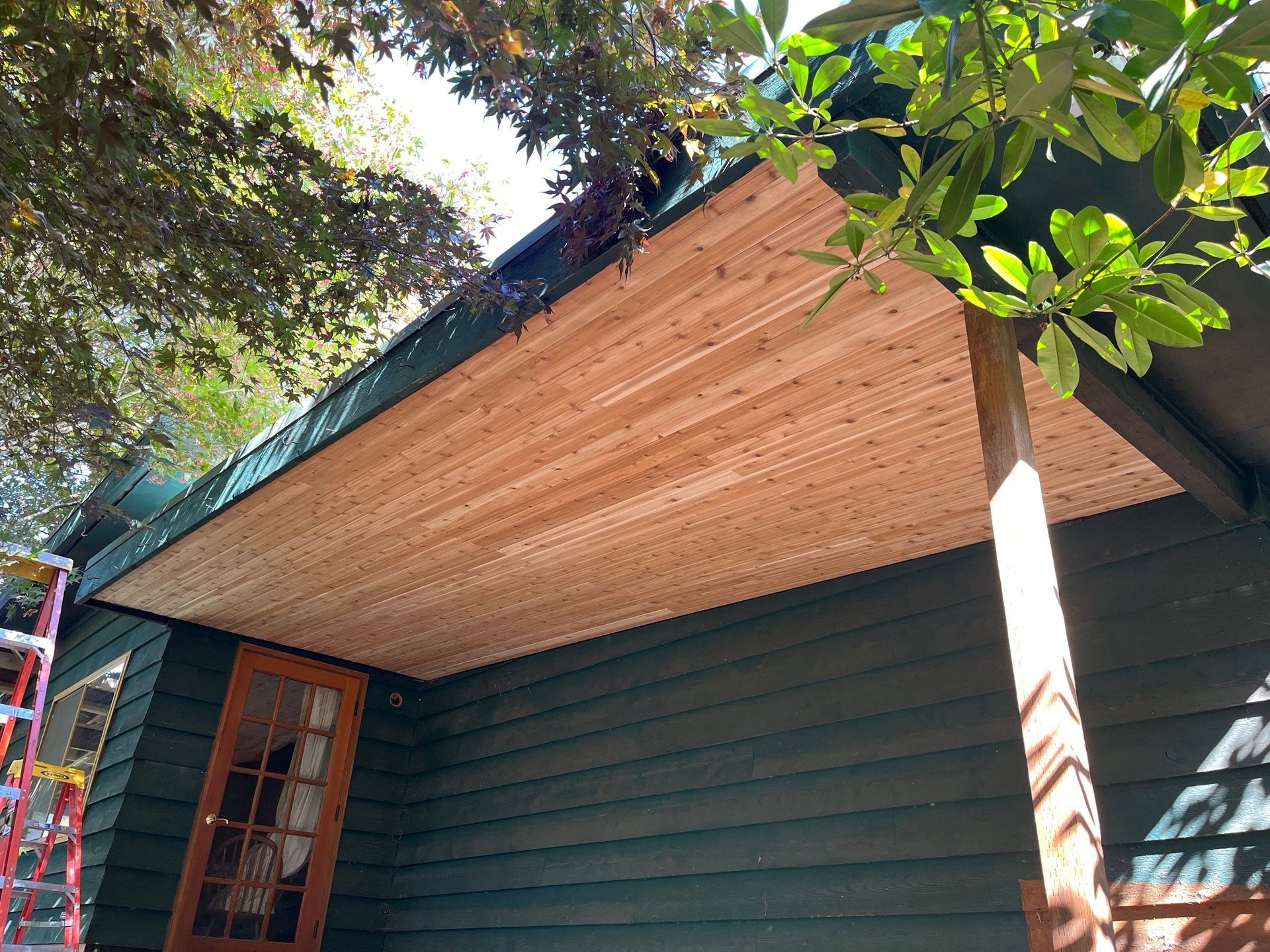
A custom scope may include crown molding, baseboards, window and door casing, wainscoting, wall paneling, custom doors, stair components, built-in shelving, fireplace surrounds, mudroom storage, and custom cabinetry details. In a commercial setting, it may also include reception desks, feature walls, office millwork, display shelving, and durable trim that supports a polished customer experience.
The word custom does not always mean ornate. In many Seattle homes, the best result is clean and restrained: properly sized trim, flush details, tailored storage, and materials that fit the character of the building. A Craftsman home may call for more traditional profiles and natural wood warmth, while a contemporary condo may benefit from simple reveals, flat-panel details, and integrated storage.
Why Precise Finish Work Matters in Seattle Homes
Seattle has a broad mix of housing, from historic neighborhoods with original architectural details to newer townhomes and modern infill construction. Each type of property presents different conditions. Older homes often have walls, floors, and openings that are no longer perfectly square. Newer homes may have clean modern lines that leave little room for visible error.
Experienced finish carpentry accounts for these realities rather than forcing standard components into imperfect spaces. A skilled carpenter measures carefully, scribes material to irregular walls when needed, and plans transitions that look clean even where existing construction is not. That attention helps preserve the character of an older home while bringing new work up to a high standard.
Material selection also matters in the Pacific Northwest. Painted trim, hardwood, veneer, plywood, and engineered materials all have appropriate uses. Solid wood can offer a rich, traditional appearance, but it can move with changes in humidity. High-quality paint-grade materials may be a practical choice for crisp built-ins and trim, particularly when durability and a smooth painted finish are priorities. The right answer depends on the room, the desired look, the budget, and how the space will be used.
Where Custom Carpentry Makes the Biggest Difference
Custom finish work is most valuable where a room needs to work harder or where architectural details shape the overall impression. Kitchens and living areas often benefit from built-in storage, window seats, open shelving, fireplace surrounds, and carefully proportioned trim. These features create order without making the room feel crowded.
Mudrooms, entryways, and laundry areas are also strong candidates for custom solutions. Standard cabinets may not fit an awkward wall or provide the mix of hooks, drawers, benches, and concealed storage a household needs. A tailored built-in can turn a high-traffic area into a more organized part of the home.
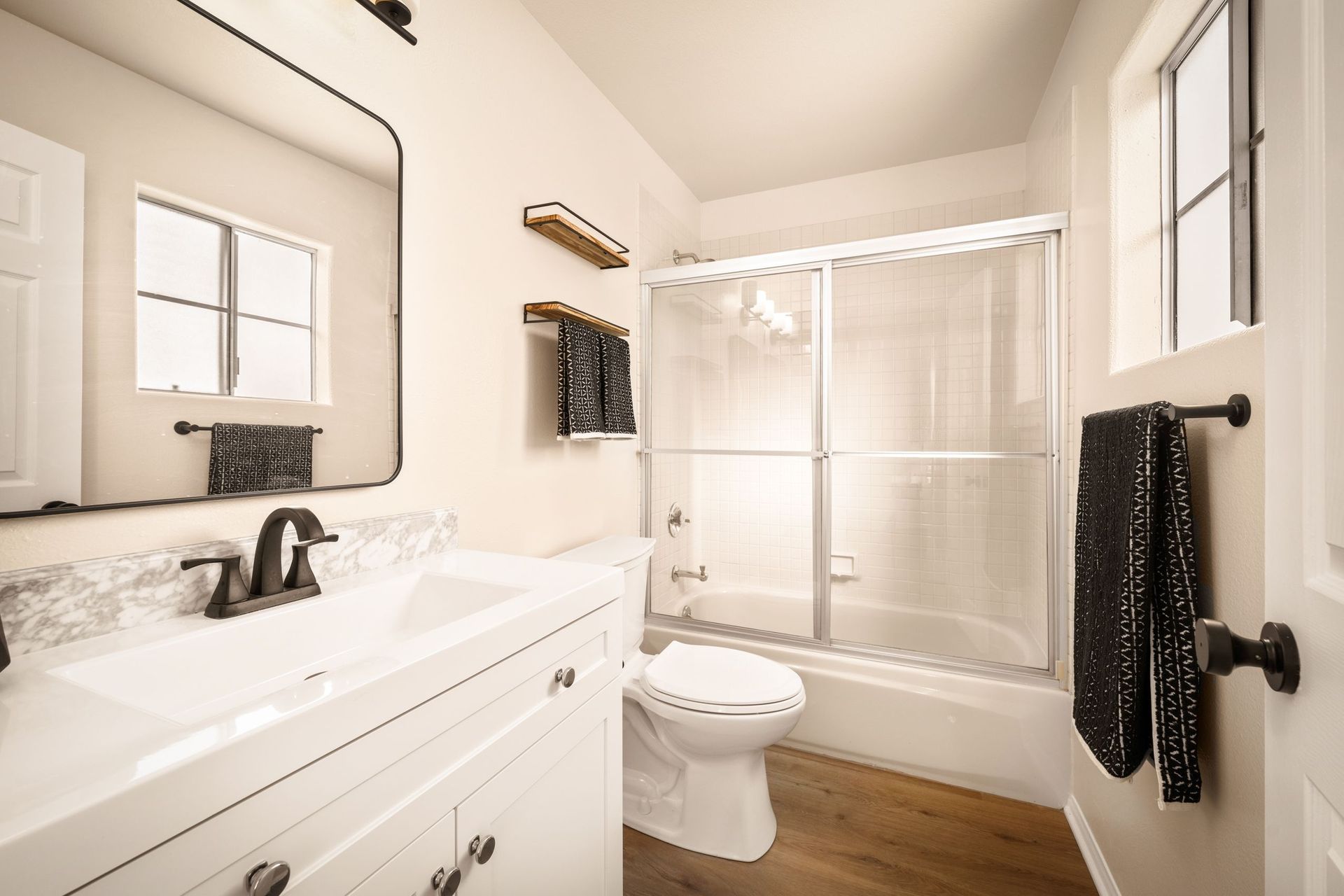
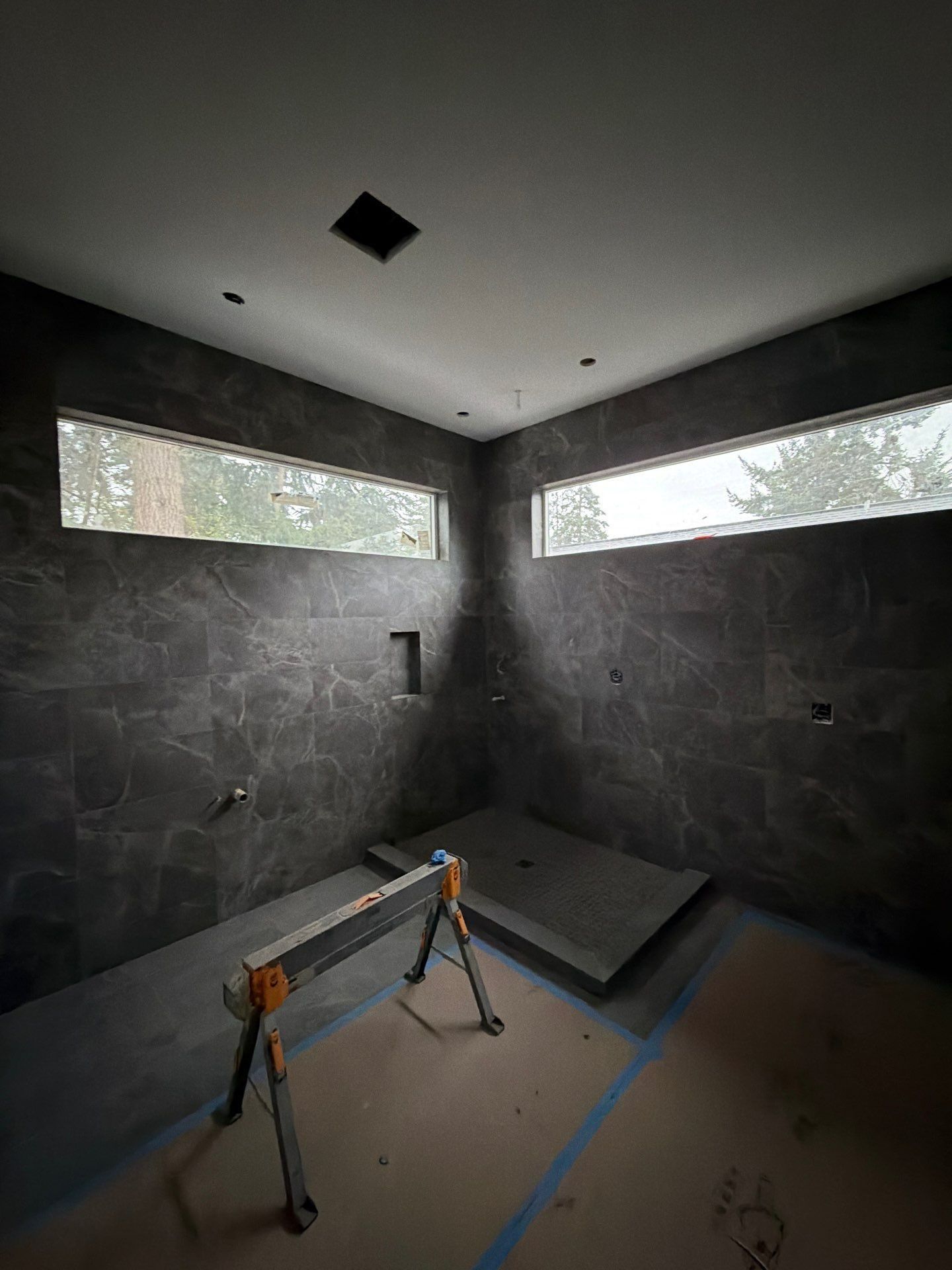
In bathrooms, finish carpentry can frame a vanity wall, create recessed storage, finish a linen cabinet, or provide refined transitions around tile and fixtures. The work must be coordinated with plumbing, tile, electrical, and ventilation so that the final details are both attractive and functional.
For commercial interiors, custom millwork and finish carpentry often influence how clients, customers, and employees experience the space. A reception area should feel professional. Retail displays should be durable and easy to maintain. Office storage should support daily operations without creating visual clutter. Commercial projects also require practical coordination around schedules, site access, safety, and minimizing disruption to business activity.
Planning Custom Finish Carpentry in Seattle
The best finish carpentry projects begin well before installation. Decisions about trim profiles, paint colors, flooring thickness, cabinet placement, lighting, hardware, and wall finishes all affect one another. When these choices are made in isolation, the result can feel pieced together. When they are coordinated early, the room has a more cohesive appearance.
Start by identifying the purpose of the improvement. Is the goal to add storage, restore original character, make a new addition feel connected to the rest of the home, or create a more polished business interior? A clear purpose helps guide the design and keeps the investment focused on features that will provide daily value.
Next, look at the existing conditions. Measurements are essential, but so is an honest assessment of walls, floors, moisture concerns, and adjacent finishes. A restoration project after water damage may require repairs behind the walls before any new trim or built-ins are installed. In a remodel, electrical outlets, HVAC registers, and plumbing access may influence the design of custom components.
It is also wise to establish a realistic finish level. Custom carpentry can range from straightforward upgraded trim to fully detailed architectural millwork. More complex profiles, premium hardwoods, hand-finished details, and integrated cabinetry require additional labor and coordination. A dependable contractor will explain those trade-offs clearly and help prioritize the details that will make the most meaningful difference.
The Value of One Coordinated Contractor
Finish carpentry is rarely a stand-alone concern. It often sits at the intersection of remodeling, tile work, painting, flooring, cabinetry, restoration, and final punch-list completion. Coordinating several separate trades can create delays, unclear responsibility, and avoidable inconsistencies.
Working with a full-service contractor gives homeowners and business owners a clearer path from initial assessment through construction and final finishing. Fortress Build & Finish brings remodeling, restoration, and premium interior finish services together, helping clients manage both the visible details and the underlying work that supports them.
That coordination is especially useful after fire or water damage. Before custom trim, paneling, or built-ins can be installed, the property may need moisture evaluation, demolition, repairs, insurance-claim support, and reconstruction. Restoring the structure correctly protects the finish work that comes next and helps the completed space feel like a thoughtful improvement rather than a patchwork repair.
How to Evaluate Finish Carpentry Quality
Quality is easiest to recognize at transitions. Look where trim meets walls, where molding turns a corner, where a cabinet meets an uneven surface, and where flooring meets a doorway. Tight joints, consistent reveals, clean caulking, properly aligned hardware, and balanced proportions are signs that the installer took time to fit the work correctly.
Ask how the contractor handles existing irregularities, protects finished surfaces during construction, and coordinates work with other trades. It is also helpful to discuss the planned materials and finish system. The strongest result is not simply the most expensive option. It is the combination of materials, detailing, and installation that suits the property and holds up to real use.
For projects involving historic homes, ask how new details will relate to original features. Exact replication may be appropriate in some areas, while a complementary update may make more sense in others. The decision should respect the home without preventing it from serving modern needs.
Custom finish carpentry should make a space feel settled, useful, and built for the people who occupy it. Whether the project is a single built-in, a full interior remodel, or a commercial reconfiguration, the final details deserve the same care as the work behind the walls. A thoughtful consultation is the right place to turn those ideas into a clear, durable plan.