The Seattle area has long been a hub for musicians, producers, podcasters, and content creators. From the legacy of Seattle's music scene to today's growing creator economy, more homeowners throughout Seattle, Bellevue, Kirkland, Redmond, Tacoma, Everett, and the surrounding Puget Sound region are investing in professional-quality home recording studios.
As commercial studio costs continue to rise and remote content creation becomes the norm, many Seattle-area homeowners are transforming basements, garages, bonus rooms, and home additions into dedicated recording environments. At the same time, Seattle's high home values are encouraging homeowners to improve existing properties rather than relocate.
For homeowners considering a studio project, these are the top in-home recording studio trends we're seeing across the Seattle market in 2026.
1. Seattle Creators Are Prioritizing Acoustic Design Over Expensive Gear
One of the biggest trends in Seattle home studio construction is investing in the room itself before investing in equipment.
Professional acoustics, sound isolation, and room design are becoming top priorities for musicians, podcasters, and content creators who want commercial-quality recordings from home. Industry experts consistently emphasize that room acoustics often have a greater impact on recording quality than purchasing more expensive equipment.
2. Garage and Basement Studio Conversions Are Growing Across Seattle
Many Seattle homes feature unfinished basements, detached garages, or underutilized bonus spaces that are ideal for recording studios.
Rather than renting commercial space, local homeowners are converting existing square footage into:
- Music recording studios
- Podcast production rooms
- Voice-over booths
- YouTube and streaming studios
- Content creation spaces
Garage conversions and basement remodels continue to be popular Seattle renovation projects because they allow homeowners to create specialized spaces while increasing the functionality of their homes.
3. Soundproofing Has Become a Must-Have in Seattle Neighborhoods
Seattle's dense urban neighborhoods and close property lines make sound isolation a major concern for studio owners.
Whether you're recording drums in Ballard, producing podcasts in Bellevue, or mixing music in West Seattle, soundproofing is often one of the most important construction considerations.
Today's Seattle-area studio builds commonly include:
- Double-wall construction
- Acoustic insulation
- Sound-isolated ceilings
- Solid-core acoustic doors
- Upgraded window systems
- Floating floor assemblies
Experts continue to emphasize that proper soundproofing requires construction techniques such as mass, damping, decoupling, and air sealing—not simply installing foam panels.
4. Multi-Purpose Creative Spaces Are Replacing Single-Use Rooms
Seattle homeowners increasingly want rooms that can adapt to changing needs.
Many modern studio projects are designed to function as:
- Home offices
- Recording studios
- Podcast rooms
- Video production spaces
- Remote work environments
This trend aligns with broader Seattle remodeling preferences that favor flexible, multi-functional living spaces capable of supporting both work and creative pursuits.
5. Pacific Northwest Design Is Influencing Studio Construction
Seattle homeowners want recording studios that feel like natural extensions of their homes.
Popular design features include:
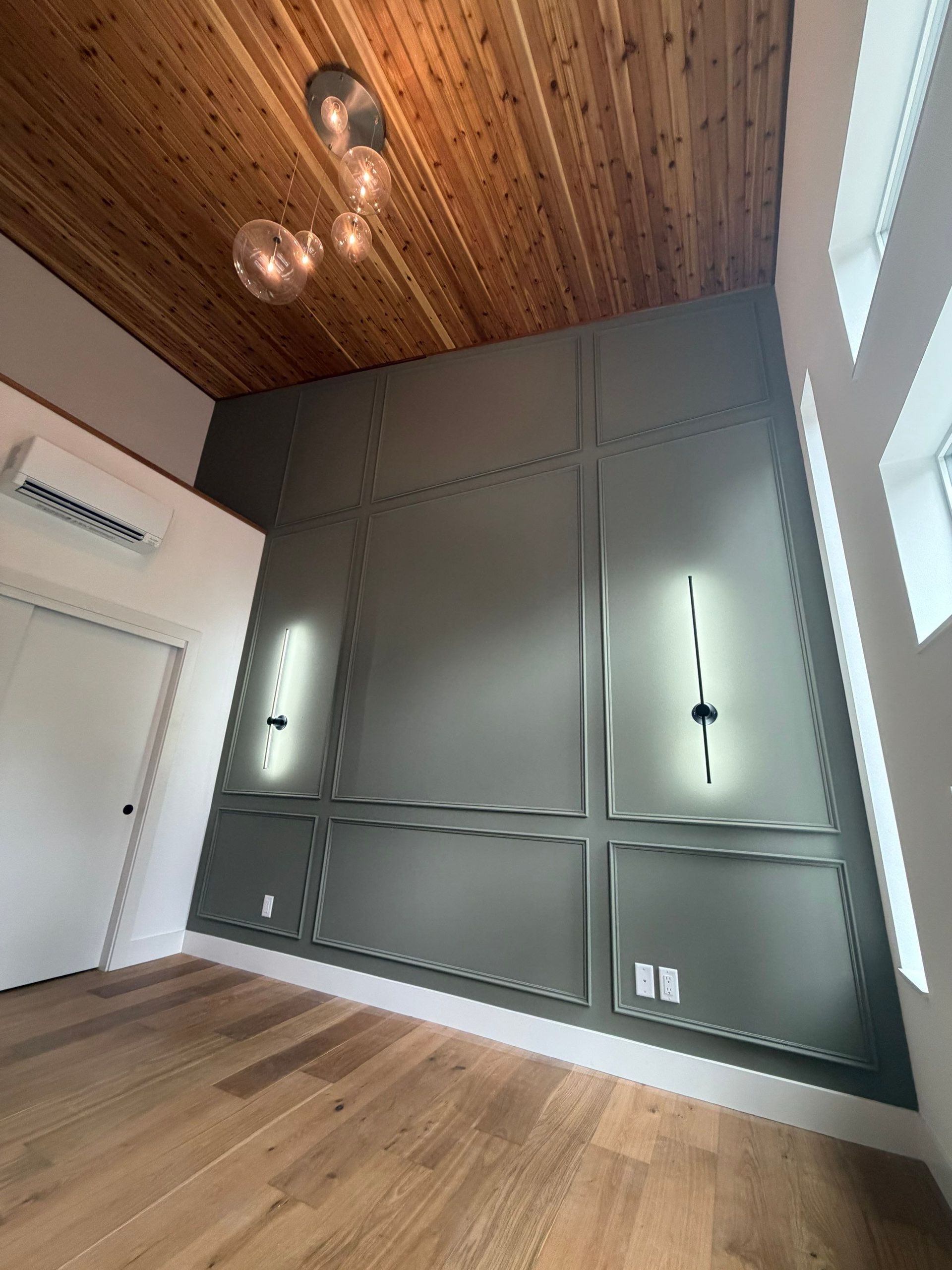
- Warm wood finishes
- Custom millwork
- Earth-tone color palettes
- Natural materials
- Integrated storage
- Architectural acoustic panels
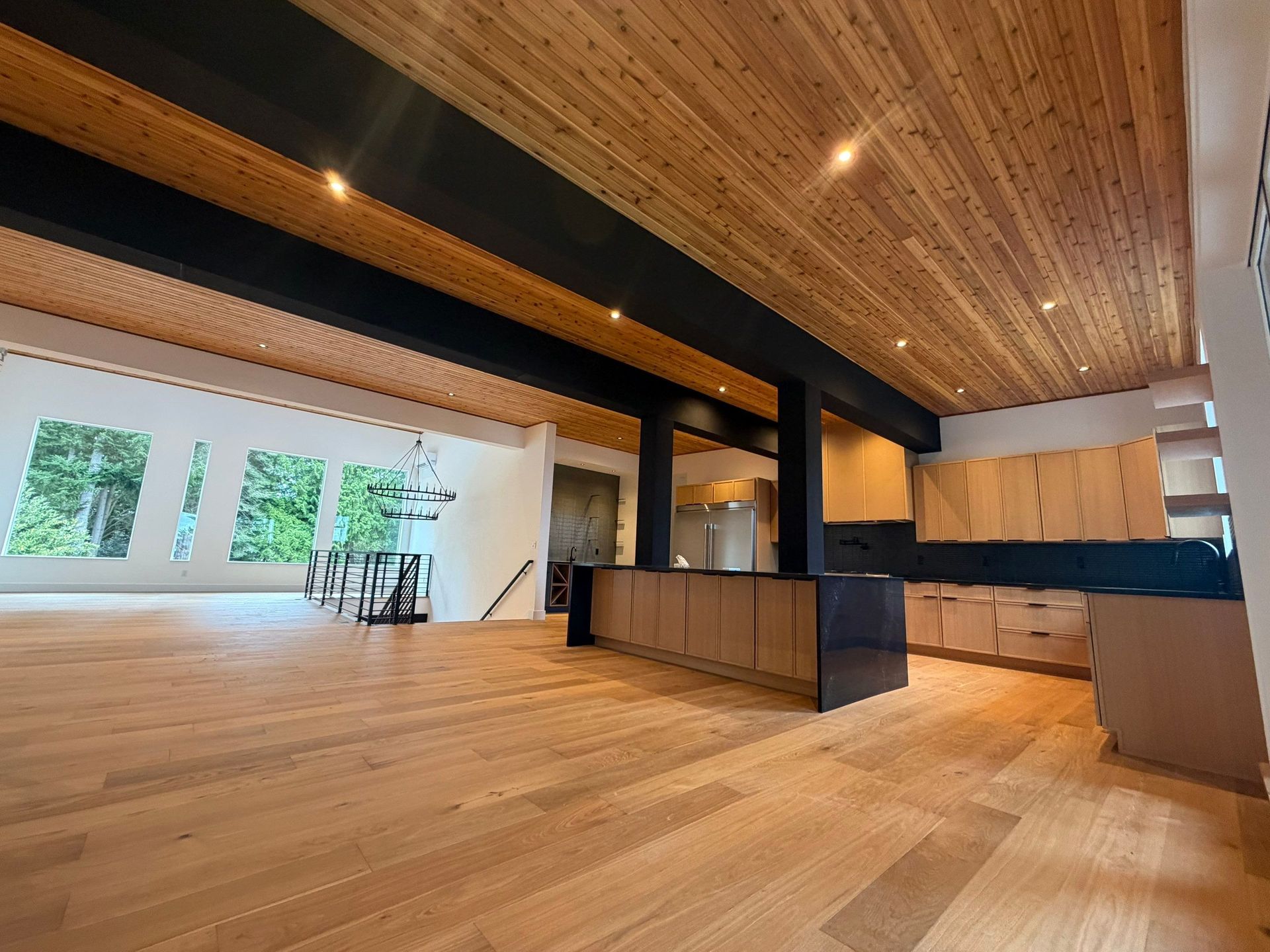
Seattle remodeling trends increasingly favor warm, organic materials and biophilic design elements that reflect the Pacific Northwest lifestyle.
6. HVAC and Ventilation Are Getting More Attention
One of the most overlooked aspects of home studio construction is ventilation.
Seattle creators are spending longer hours recording, editing, and producing content at home, making comfort a critical design factor.
Proper studio construction now often includes:
- Quiet HVAC systems
- Sound-isolated ductwork
- Dedicated ventilation planning
- Climate control systems
- Air quality improvements
Many home studio owners report that HVAC noise becomes a major issue when it isn't addressed during construction.
Why Seattle Homeowners Are Investing in Custom Recording Studios
Seattle's housing market continues to encourage homeowners to improve existing properties rather than move. As a result, specialized spaces such as home offices, content creation rooms, and recording studios are becoming increasingly popular renovation projects.
For musicians, podcasters, producers, and content creators, a professionally designed recording studio offers:
- Greater creative freedom
- Reduced rental costs
- Increased home functionality
- Better recording quality
- Long-term property value
Build Your Seattle Home Recording Studio with Fortress Build & Finish
Whether you're converting a garage in Bellevue, finishing a basement in Seattle, or creating a custom recording studio addition anywhere in the Puget Sound region, Fortress Build & Finish has the construction expertise to bring your vision to life.
From soundproofing and framing to custom finishes and specialty room construction, Fortress Build & Finish helps homeowners create high-performance creative spaces designed for the way people work and create today.
Visit Fortress Build & Finish to learn more about our renovation and specialty construction services throughout the Seattle area.