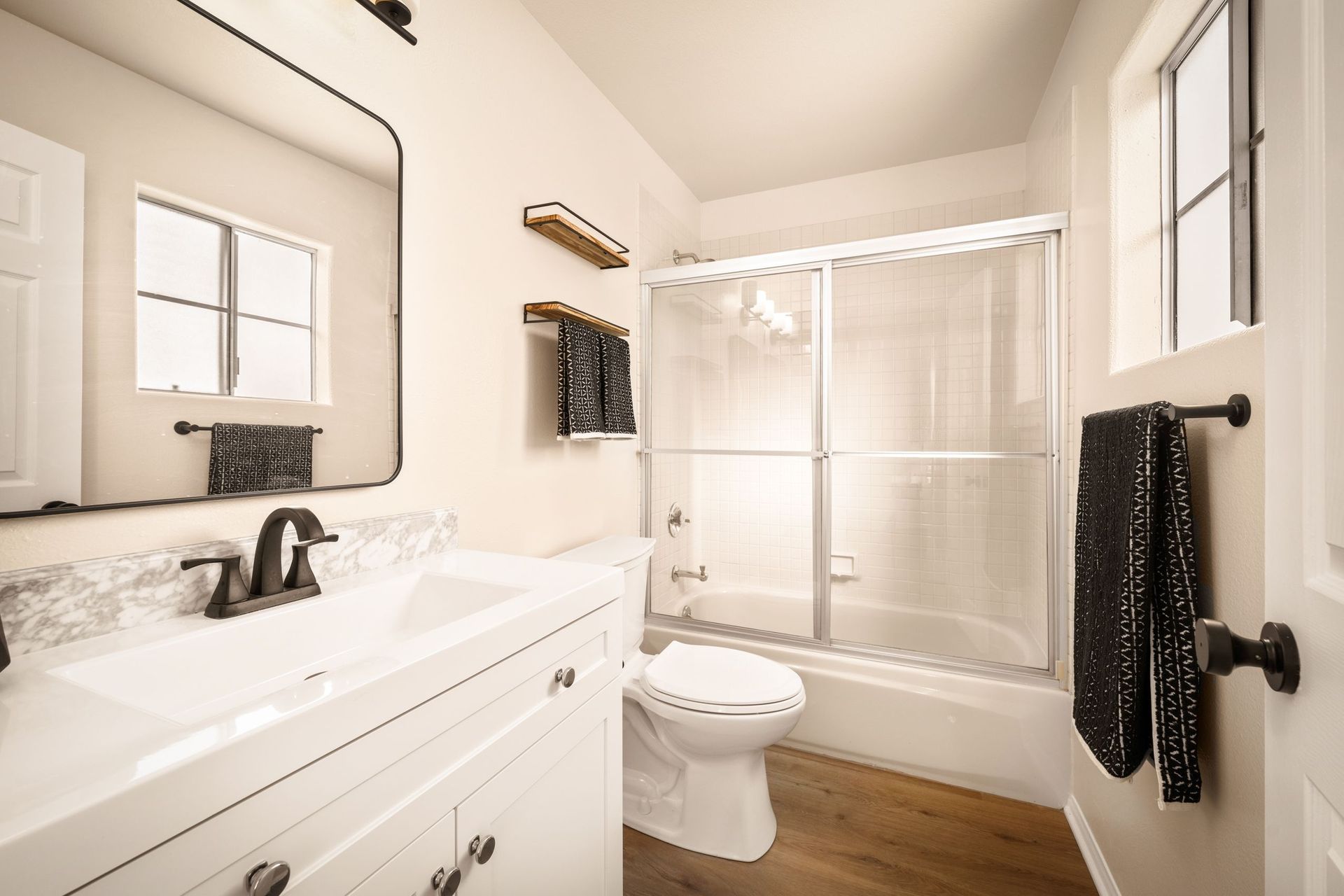
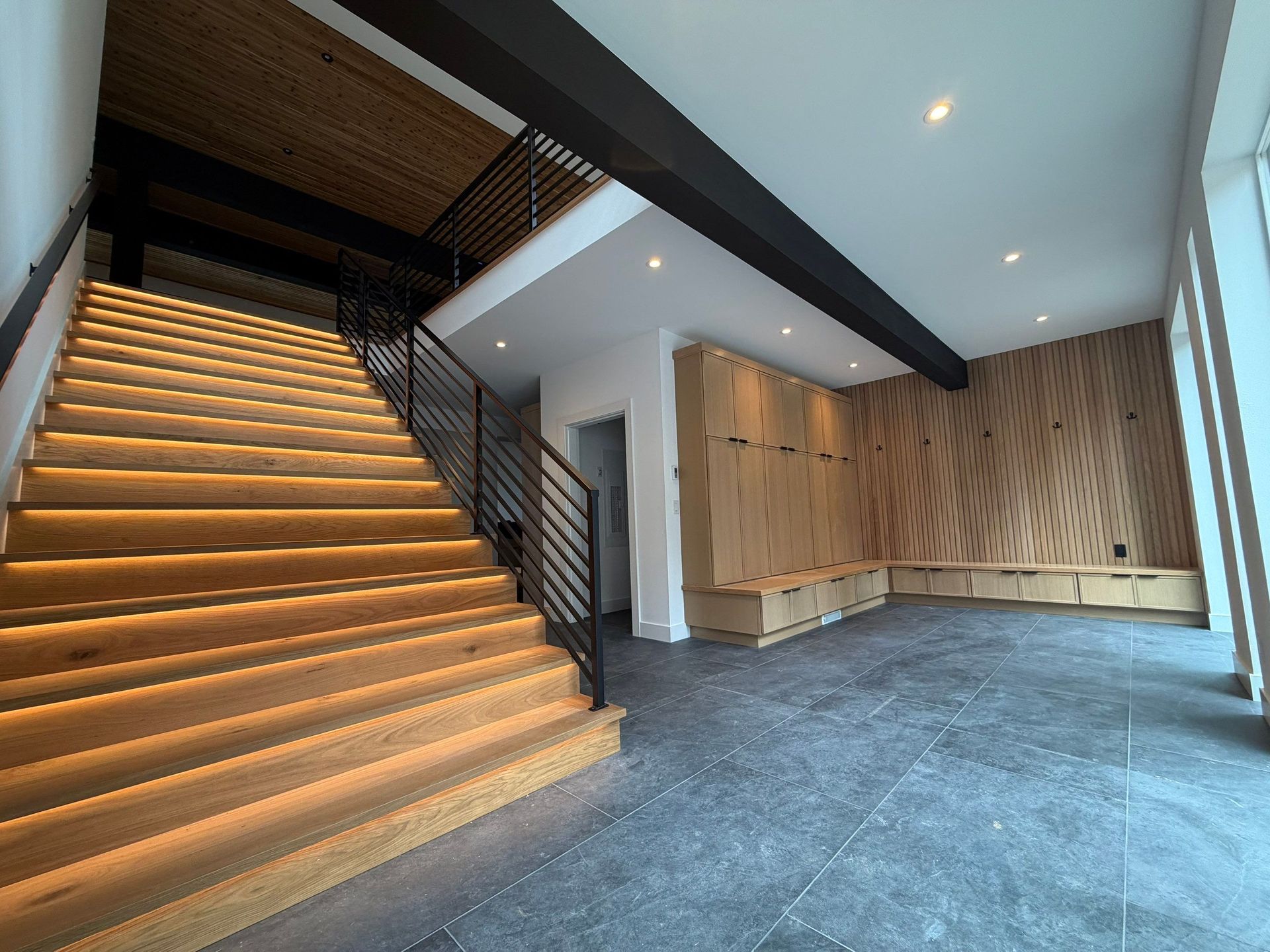
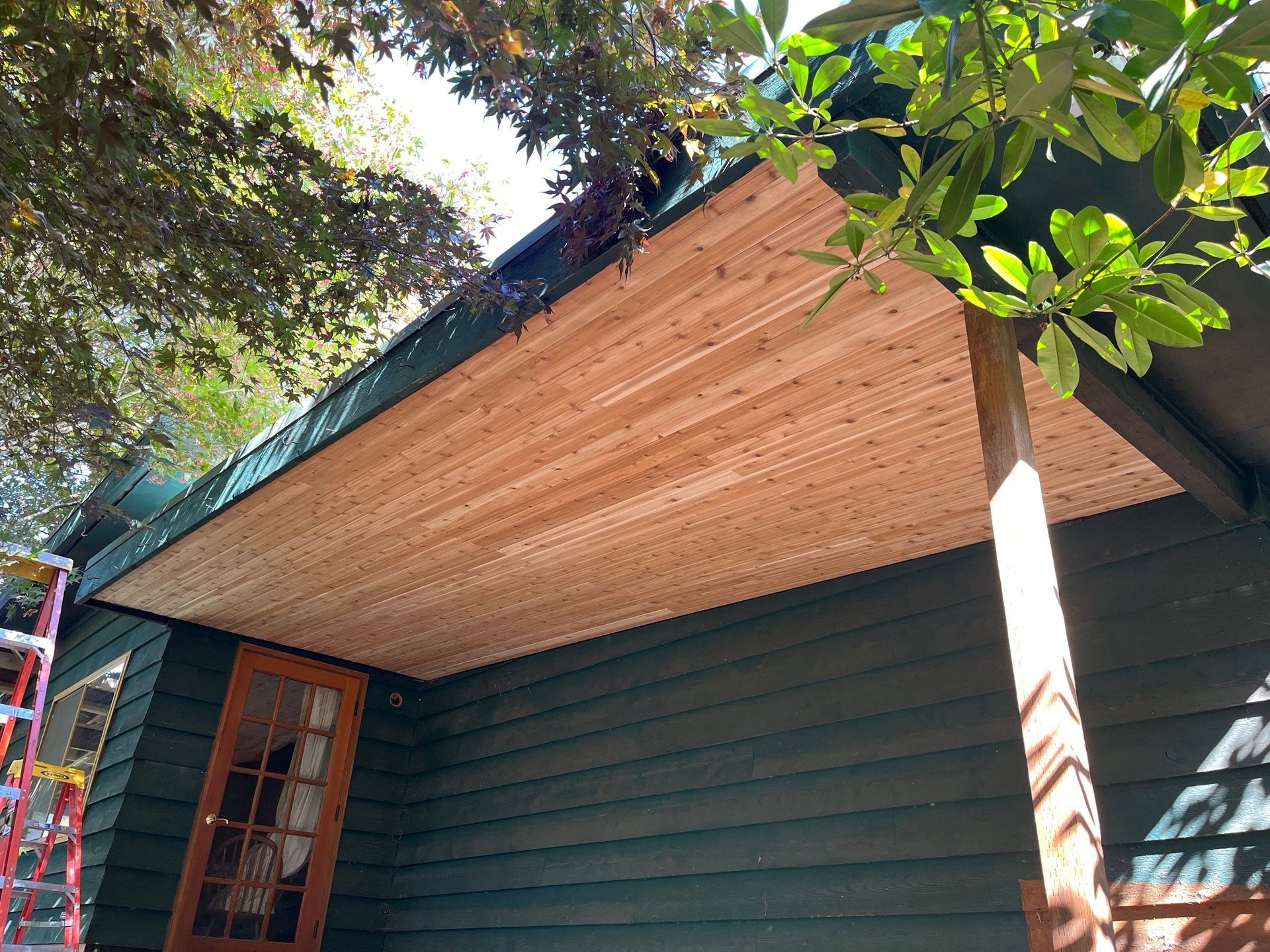
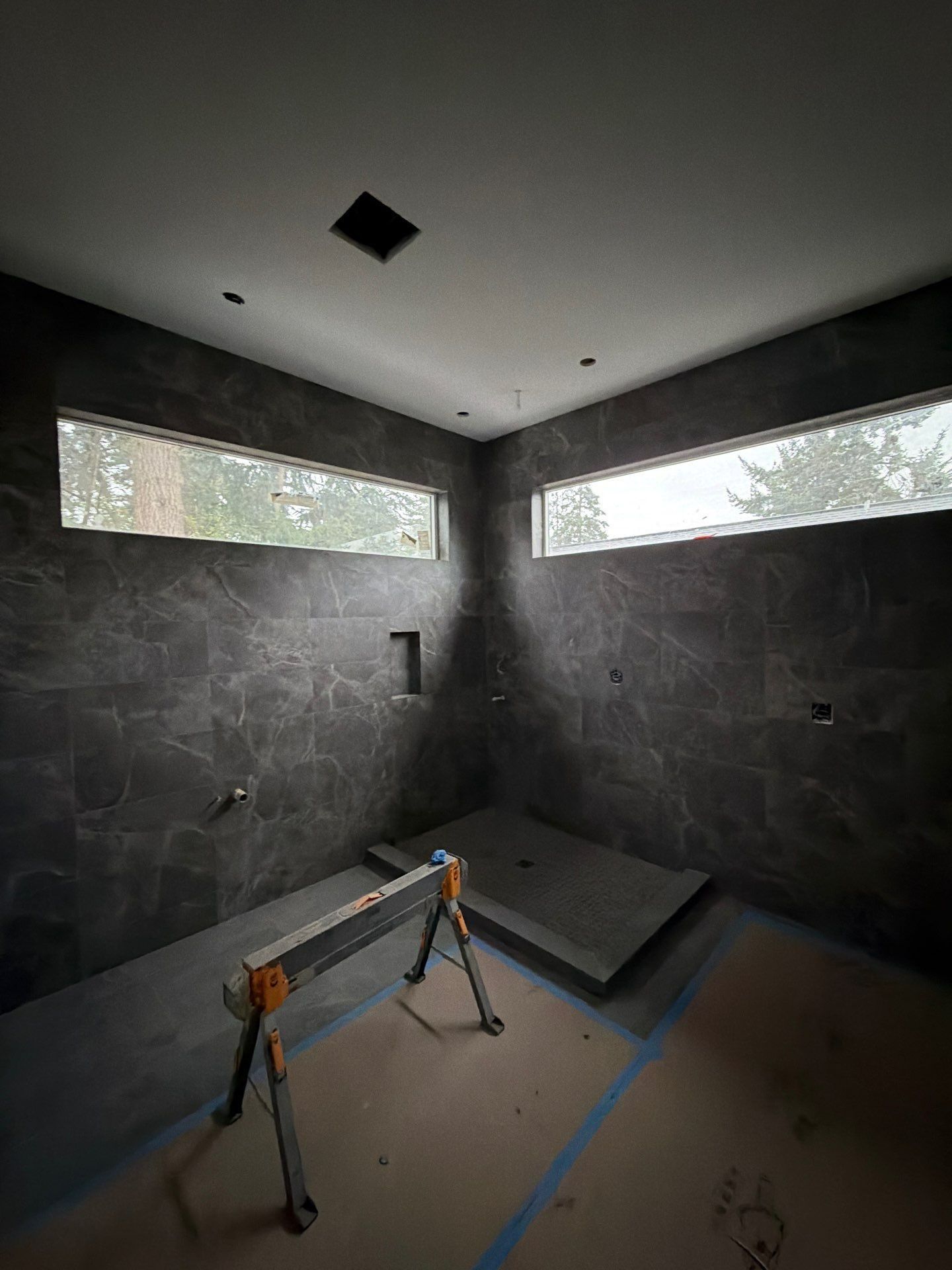
Two-thirds of a whole-home budget lives in the kitchen, the bathrooms and the systems. Everything else — the finishes people picture when they imagine the project — is the remaining third.
What older Seattle houses add
Most Seattle whole-home remodels happen in houses built between 1900 and 1960. Reliably present:
**Knob-and-tube wiring.** Common in pre-1950 homes. Where it's disturbed, it comes out. In a whole-house remodel that usually means rewiring the house, which also means opening walls that weren't otherwise in scope. It also affects insurance — some carriers won't write a policy on an active knob-and-tube house.
**A 100-amp service.** Adequate in 1955, not adequate for a modern kitchen, heat pump, EV charger and induction range. A panel and service upgrade is a known cost, and it involves Seattle City Light.
**Galvanized supply piping.** Standard into the 1950s, and by now often partly occluded by corrosion. Repiping a whole house is a defined scope, best done while walls are open.
**No insulation, or almost none.** Exterior walls in a pre-war Seattle house are often empty. Insulating while open is one of the highest-value dollars in the project — comfort, energy cost and moisture control all improve.
**Asbestos and lead.** Asbestos may be in sheet flooring, mastic, joint compound, pipe insulation and siding in homes into the late 1970s. Lead paint is likely in anything pre-1978. Both require testing and, where present, licensed handling. This is a schedule and cost item, not a maybe.
**Foundation and drainage.** Seattle's rainfall plus older concrete or unreinforced foundations plus sloped lots equals moisture in a lot of basements. Drainage, a perimeter drain, or seismic retrofit work often surfaces during a whole-home project.
**Out-of-level, out-of-square everything.** A hundred years of settling. Every cabinet, every door, every run of trim needs scribing. This is labor, and it's why finish work in an old house costs more than in a new one.
Phasing: doing it in stages
Not everyone can move out for a year or fund the whole thing at once. Phasing works if you sequence it correctly.
Good phasing order:
1. Systems and envelope first — roof, windows, electrical, plumbing, insulation. Ugly, invisible, and everything else depends on it.
2. Then the rooms nobody sees: basement, laundry, secondary bedrooms.
3. Then kitchen and bathrooms.
4. Finishes and millwork last.
**Bad phasing:** kitchen first, then discovering the panel can't carry it. Or new floors throughout, then opening walls to rewire.
The cost of phasing is real — you pay mobilization, protection and cleanup multiple times, typically 10–20% more in total than doing it once. What you buy is the ability to live in the house and spread the spend.
Should you remodel or move?
The honest arithmetic for a Seattle homeowner:
- **Remodel wins** when you like the lot, the neighborhood and the school assignment, and when the house's bones — foundation, framing, roof structure — are sound. Transaction costs on a Seattle move (broker fees, excise tax, moving, and a new mortgage at current rates) are substantial.
- **Moving wins** when the house needs more than roughly 60–70% of its own value in work, when the layout can't be fixed without moving the foundation, or when the lot is the limiting factor.
Get a structural assessment before deciding. A foundation problem changes the math more than anything else.
How Fortress Build & Finish scopes a whole-home remodel
We walk the house before we price it — the crawlspace, the attic, the panel, the visible plumbing — and we tell you what we found rather than burying it in a lump sum. The estimate is itemized by area and by system, so when you want to adjust the budget you can see exactly which decisions are available to you.
One crew runs the job from demo through finish. On a project this long, the alternative — a rotating cast of subcontractors, each waiting on the last — is where whole-home remodels lose months.
Frequently asked questions
How much does it cost to remodel a whole house in Seattle?
$200–$500 or more per square foot in 2026. Roughly $300,000–$600,000 for a full remodel of a 1,500-square-foot house.
Is it cheaper to remodel or rebuild?
Remodeling is usually cheaper unless the house needs foundation replacement or the layout can only be fixed structurally. New construction in Seattle also faces different permitting and, on many lots, more restrictive setback and coverage limits than an existing nonconforming structure.
How much contingency should I budget for a whole-home remodel?
10% on a newer house, 15–20% on anything built before 1960. Knob-and-tube, galvanized pipe and asbestos are common enough to plan for rather than hope against.
How long does a whole-home remodel take?
Six to twelve months of construction for a full remodel, plus two to five months of design and permitting beforehand.
Can you remodel a whole house in phases?
Yes, and it's common. Do systems and envelope first, finishes last. Expect to pay 10–20% more overall for the repeated mobilization.
---
Fortress Build & Finish — (206) 426-2067 · Licensed, bonded and insured — License No. FORTRBF756KA · Serving Seattle, Ballard, Magnolia, Queen Anne, West Seattle, Capitol Hill, Wallingford, Bellevue, Kirkland, Renton, Shoreline, Edmonds and the surrounding communities ·
fortressbuildfinish.com