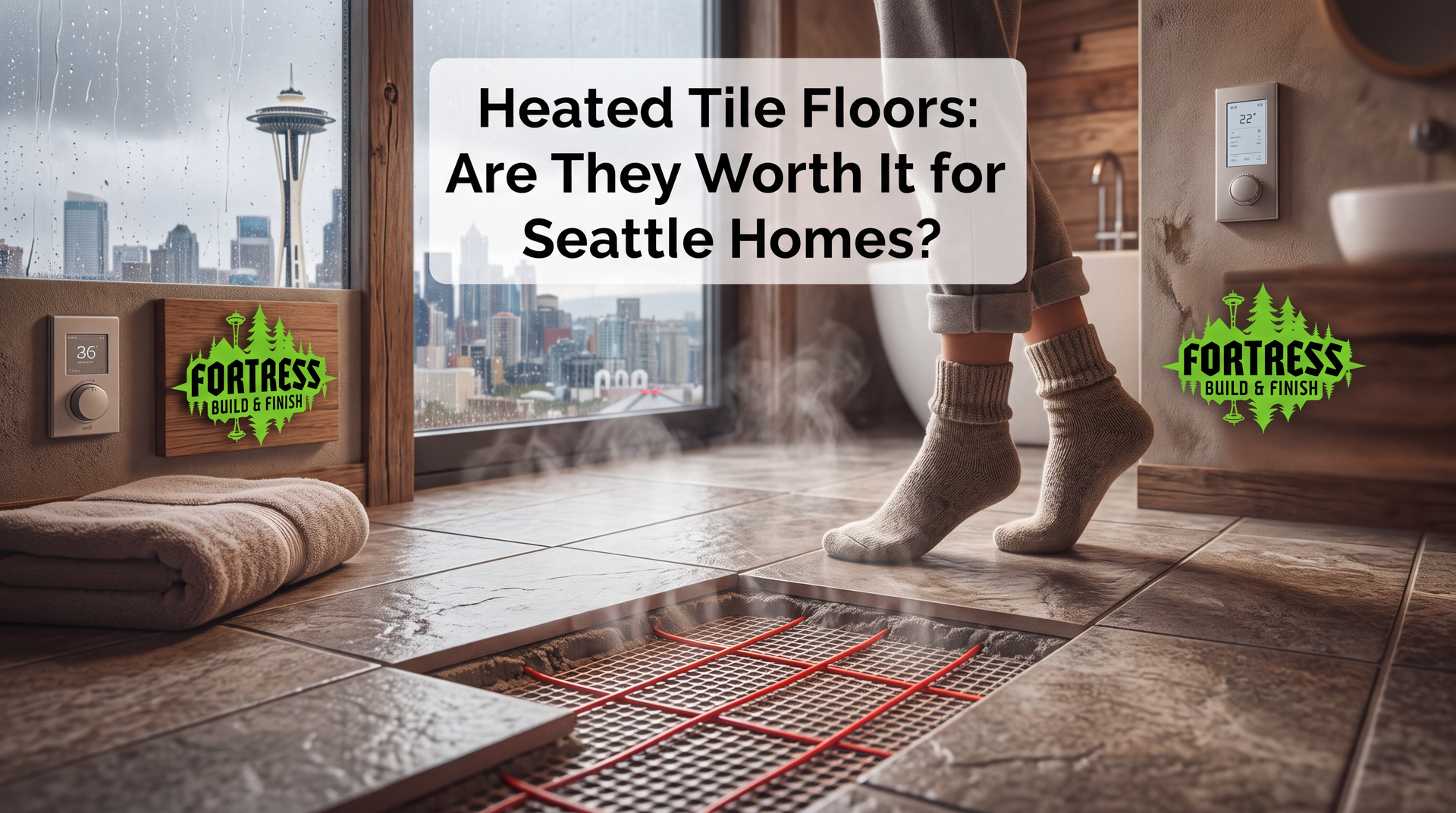
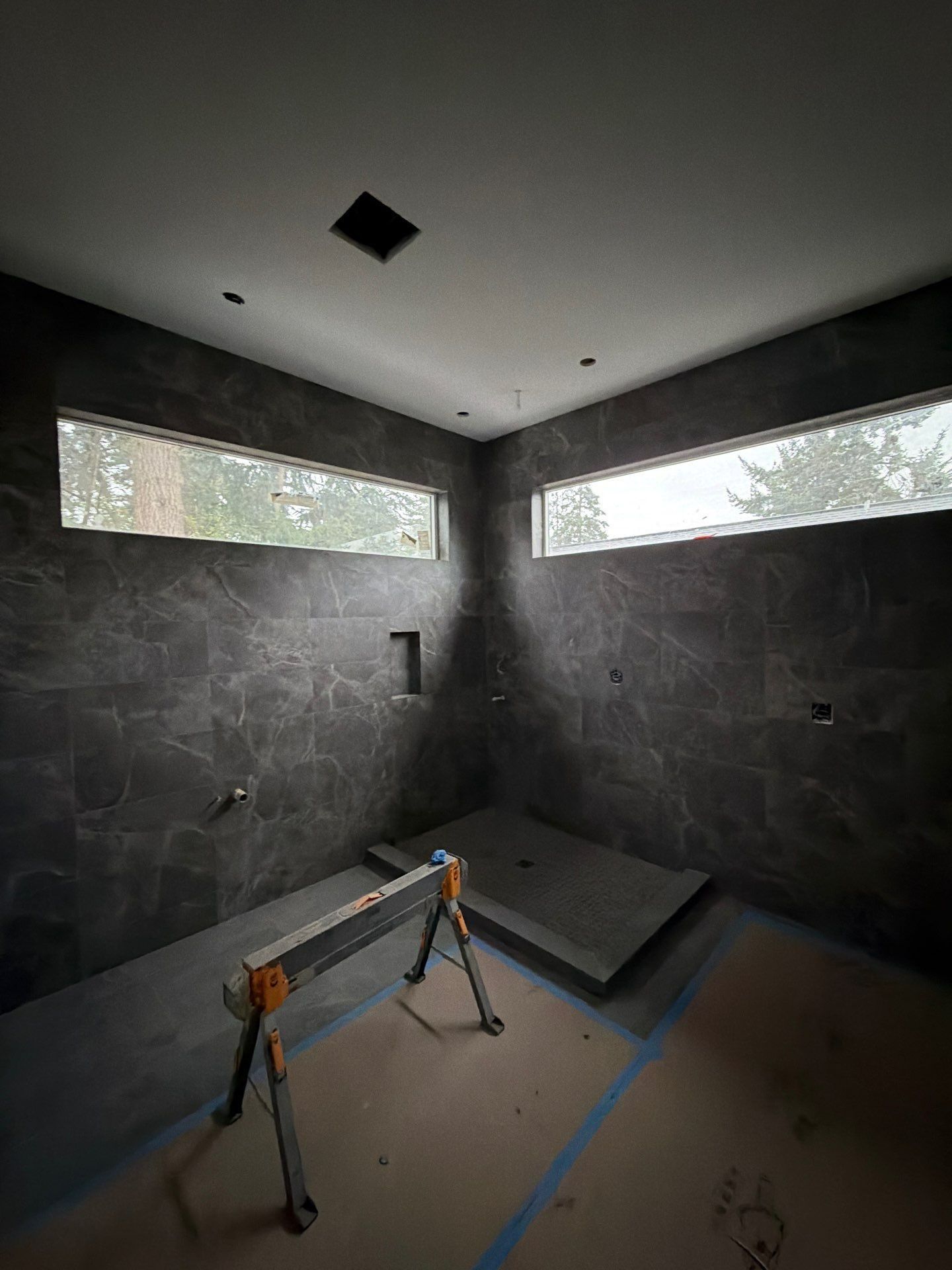
Radiant heated tile floors are worth the investment for many Seattle homeowners, offering genuine daily comfort during the region's long, cool, and damp months — particularly in bathrooms, where cold tile underfoot is one of the most common complaints homeowners cite after a remodel that didn't include heating.
How Radiant Floor Heating Works
Electric radiant floor heating uses a mat or cable system installed beneath the tile, connected to a thermostat, to warm the floor directly. Unlike forced-air heating, radiant heat warms the floor and the objects in the room directly, providing more even, consistent warmth without the drafts associated with traditional heating vents.
Benefits of Heated Tile Floors
Comfort. Tile is naturally cold to the touch, and Seattle's climate — cool and damp for much of the year — makes that cold floor feel even less pleasant. Radiant heat directly addresses this.
Even heat distribution. Unlike a single heating vent that creates hot and cold zones in a room, radiant floor heating distributes warmth evenly across the entire heated area.
Reduced moisture and mildew risk. A slightly warmer floor surface in a bathroom can help reduce condensation and the damp feel that contributes to mildew growth in poorly ventilated spaces.
Quiet, unobtrusive operation. No fans, no vents, no noise — just consistent warmth from the floor itself.
Considerations Before Installing
Cost. Radiant floor heating adds to the overall cost of a tile installation, both for the heating system itself and the additional labor and electrical work involved. It's most commonly installed in bathrooms and sometimes entryways or kitchens, rather than throughout an entire home, given the cost of full-home systems.
Installation timing. Radiant heat must be installed during the tile installation process — it's not something that can be easily added after tile is already down, so it needs to be planned into your remodel from the start.
Floor height changes. The heating mat and additional underlayment add a small amount to the floor's overall height, which occasionally affects transitions to adjoining rooms — a detail your contractor should account for during planning.
Electrical capacity. Larger radiant heat installations may require confirming your home's electrical panel has adequate capacity, particularly if combined with other electrical upgrades in the same remodel.
Where Heated Floors Make the Most Sense
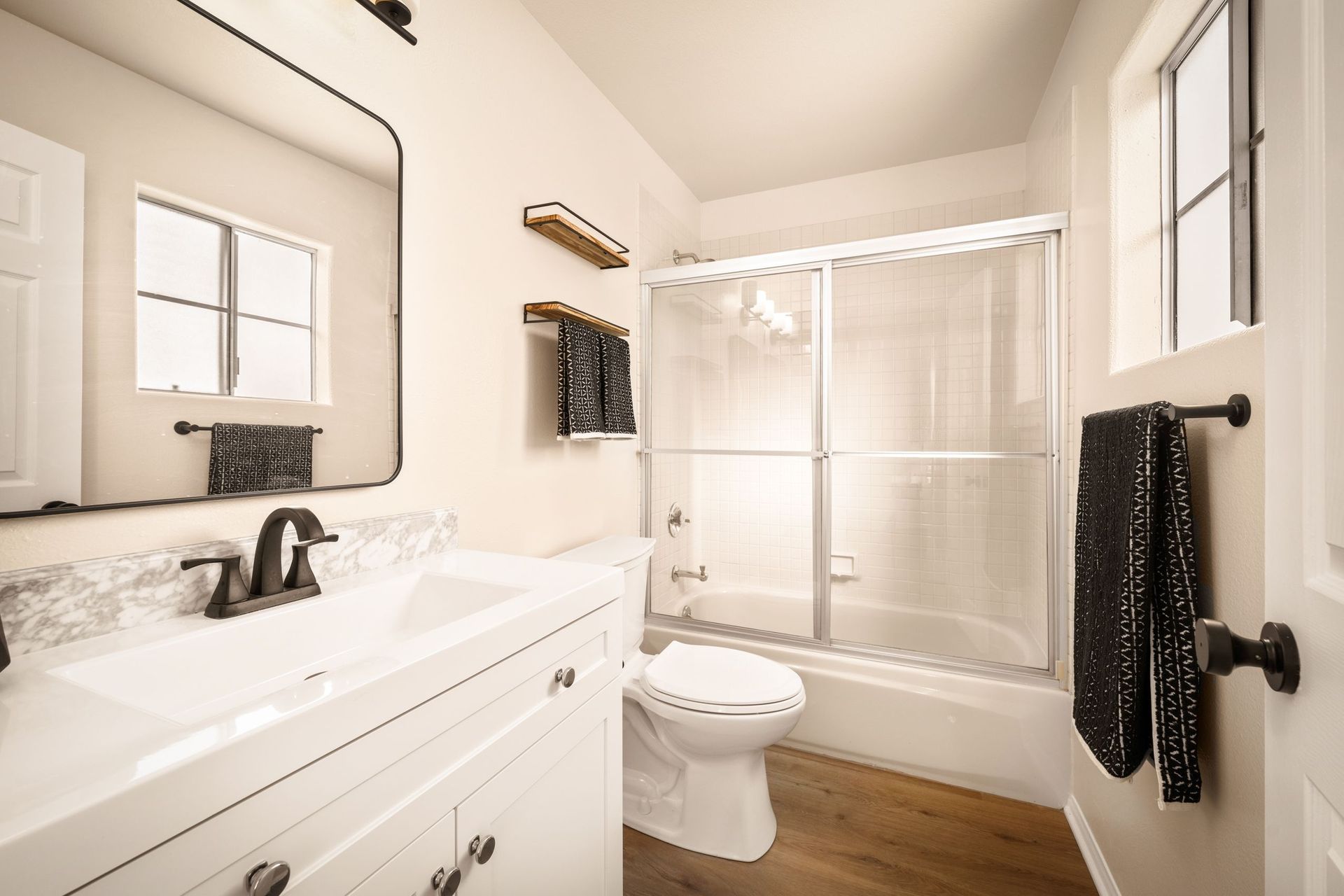
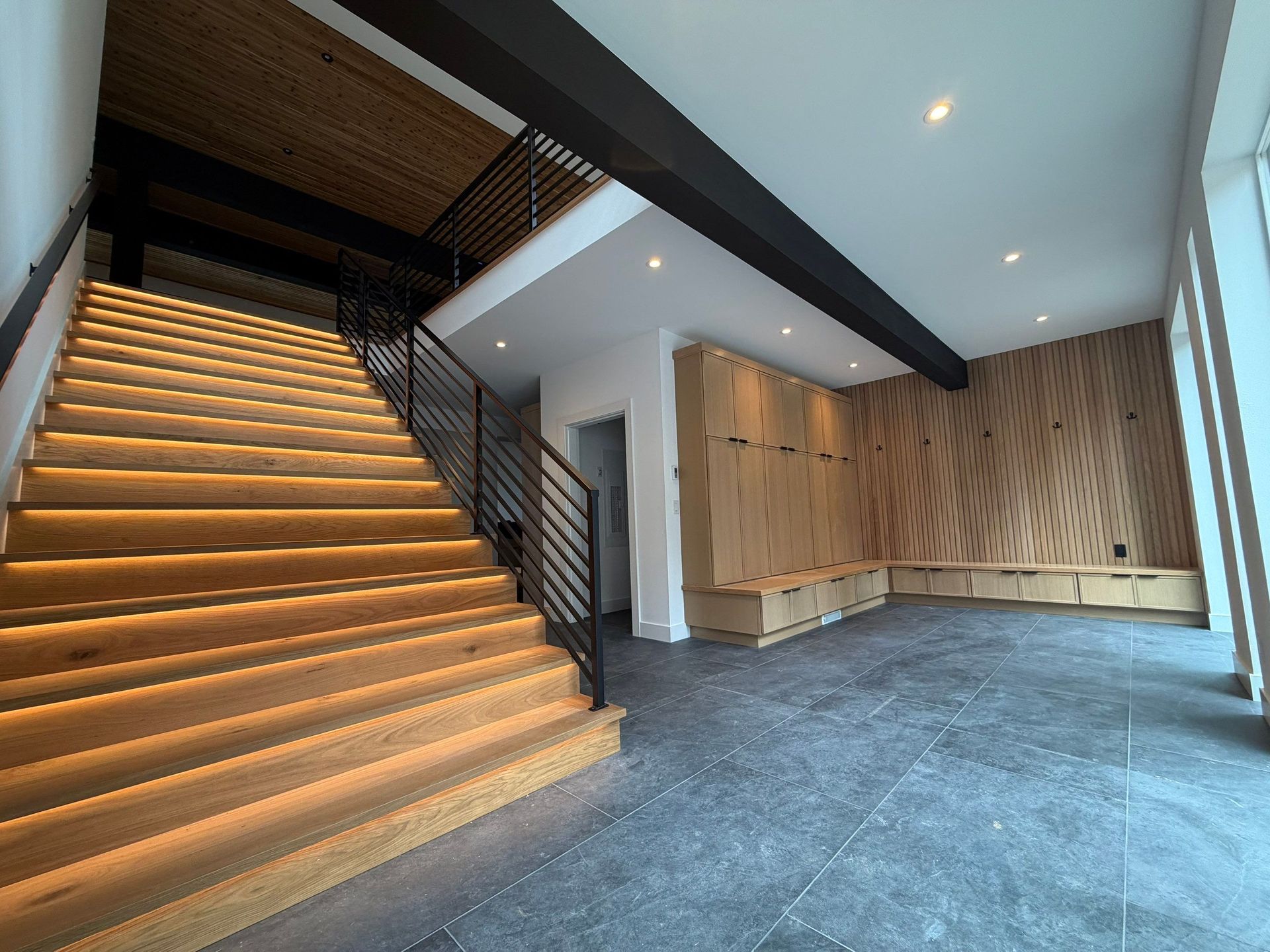
Primary bathrooms are the most common and highest-value location for radiant floor heating, given how much time is spent barefoot on the tile. Entryways and mudrooms are a secondary popular choice, both for comfort and for helping melt any snow or ice tracked in during Seattle's occasional cold snaps. Kitchens are a less common but growing choice among homeowners prioritizing comfort throughout the home.
How Fortress Build & Finish Can Help
Our custom tile installation team plans and installs radiant floor heating as part of a coordinated tile project, ensuring the heating system, tile, and waterproofing all work together correctly. With more than 25 years of experience, we help homeowners decide where radiant heat offers the best return on comfort and investment for their specific home.
Frequently Asked Questions
Is radiant floor heating worth the extra cost?
For many Seattle homeowners, yes — particularly in bathrooms, where the daily comfort of a warm floor during the region's cool, damp months is highly valued. It's a smaller investment relative to the overall cost of a bathroom remodel.
Can heated flooring be added to an existing tile floor?
Not without removing the existing tile first. Radiant heating systems need to be installed beneath the tile during the original installation process.
Does radiant floor heating use a lot of electricity?
Electric radiant systems are generally used for supplemental, zone-specific heating (like a single bathroom) rather than as a home's primary heat source, which keeps typical operating costs reasonable for most households.
Which rooms benefit most from heated tile floors?
Primary bathrooms see the most benefit and are the most common installation location, followed by entryways and, less commonly, kitchens.
---
*Fortress Build & Finish is a locally owned, licensed and bonded construction company serving Seattle and the surrounding communities for more than 25 years. Contact us at www.fortressbuildfinish.com to discuss radiant heated flooring for your remodel.*