The fire is out, but the property is not yet safe or stable. Smoke can travel well beyond the room where the fire started, firefighting water can soak framing and flooring, and a damaged roof or window opening can invite Seattle rain into the building. This fire damage restoration guide explains what homeowners and business owners should do next, how professional restoration works, and how to make sound decisions when it is time to rebuild.
A Fire Damage Restoration Guide: The First Priorities
The first priority is safety. Do not re-enter a fire-damaged home or commercial space until the fire department or local authority has cleared it for entry. Even a small fire can leave hidden hazards behind, including weakened ceilings, damaged electrical wiring, broken glass, contaminated surfaces, and compromised structural members.
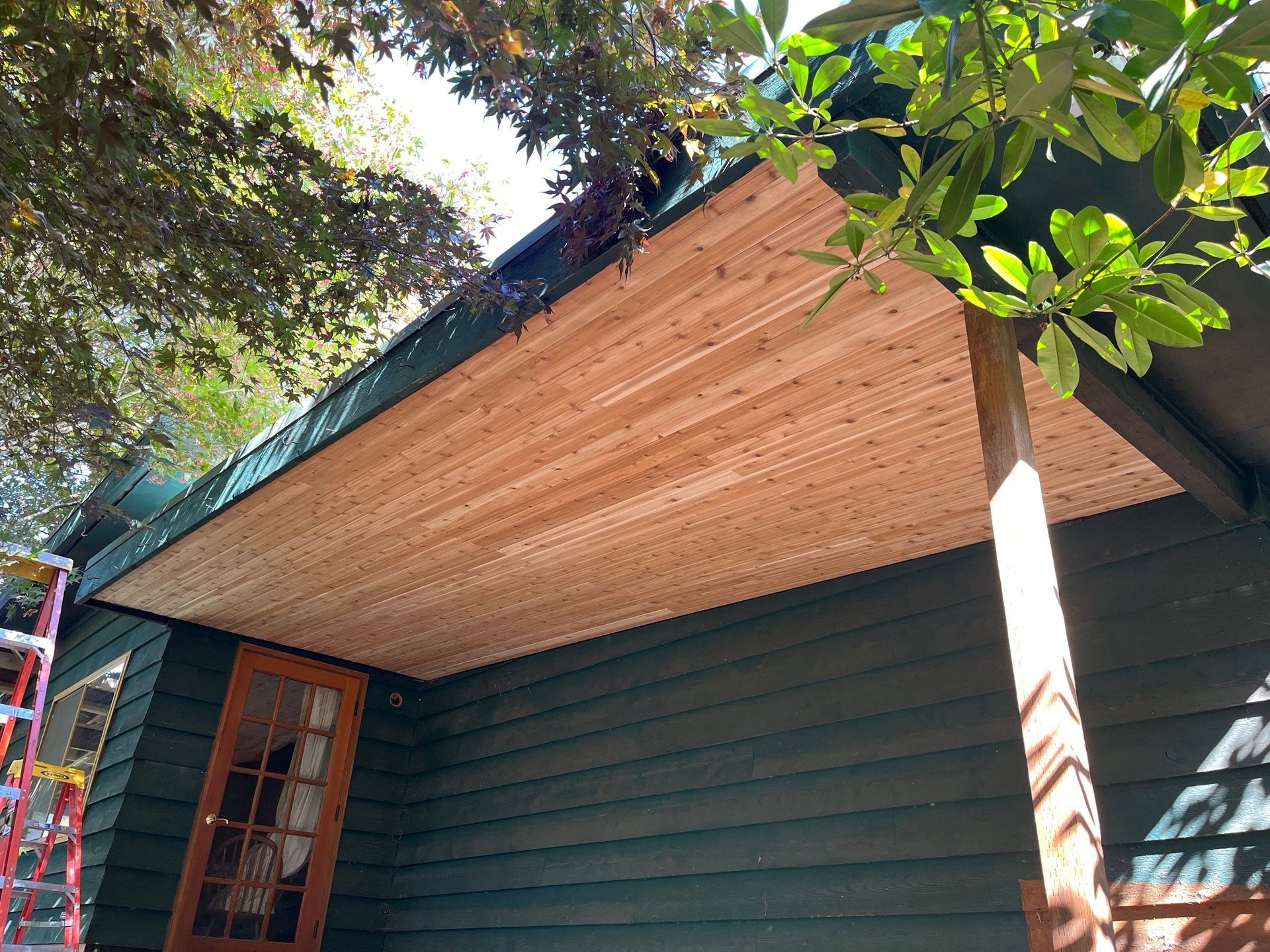
Once access is allowed, the goal is to protect the property from additional loss without disturbing evidence that may be needed for an insurance claim. A qualified restoration contractor can assess immediate risks, photograph conditions, and arrange emergency protection such as roof tarping, board-up services, and temporary weatherproofing.
In the first 24 to 48 hours, focus on these practical steps:
- Contact your insurance carrier and start a claim as soon as possible.
- Document visible damage with photos and video before removing affected belongings.
- Keep receipts for emergency lodging, temporary business arrangements, and reasonable protective work.
- Avoid turning on electrical systems, HVAC equipment, or appliances until they have been inspected.
- Do not attempt to clean soot from walls, ceilings, or fine finishes with household products.
Fast action matters, but speed should not mean guesswork. A rushed cleanup can smear soot deeper into painted surfaces, textiles, grout, wood grain, and upholstery. It can also overlook the water damage that frequently follows firefighting efforts.
What Fire Damage Really Includes
Fire damage is rarely limited to charred materials. A proper assessment considers direct flame damage, heat damage, smoke and soot residue, water intrusion, odor, and the condition of the building systems. Each issue calls for a different response.
Heat can warp framing, crack tile, weaken fasteners, damage windows, and affect drywall even where flames never reached. Smoke often moves through wall cavities, ductwork, and upper levels of a structure. Different fires also produce different residues. Dry soot from a fast-burning fire behaves differently from oily residue left by burning synthetic materials, and each requires the appropriate cleaning method.
Water is another major concern. Saturated insulation, wet subfloors, and trapped moisture behind walls can lead to material deterioration and microbial growth if drying is delayed. In Seattle, exterior openings and damaged roofing deserve special attention because ongoing rain can turn a contained fire loss into a much larger restoration project.
For commercial properties, the assessment should also account for operations. A fire in a restaurant kitchen, office suite, retail space, or multifamily building may affect equipment, inventory, tenant areas, life-safety systems, and code requirements. The right recovery plan balances thorough restoration with a realistic path back to operation.
Stabilization Comes Before Cosmetic Repairs
Before new finishes go in, the structure needs to be stable, dry, clean, and safe. This stage often includes securing the site, removing debris, extracting water, setting drying equipment, and evaluating which materials can be cleaned versus which must be removed.
This is where experience makes a practical difference. For example, smoke-damaged drywall may sometimes be cleaned and sealed, but drywall that is waterlogged, deeply contaminated, or structurally compromised generally needs replacement. Solid wood trim may be restorable with careful cleaning and refinishing, while composite materials exposed to high heat may not be worth saving.
A contractor should not make these decisions based on appearance alone. Moisture readings, structural evaluation, material condition, and the location of smoke residue all matter. Saving the right materials can control costs and preserve original character. Removing the wrong materials can leave behind odor, contamination, or hidden damage that resurfaces after the project appears complete.
Cleaning Smoke, Soot, and Odor the Right Way
Smoke cleanup is a technical process, not simply a matter of wiping surfaces. Improper methods can spread residue or permanently damage finishes. Restoration professionals typically use specialized dry-cleaning techniques, HEPA vacuuming, controlled wet cleaning, and targeted degreasing based on the type of residue and surface involved.
Odor removal also requires more than a masking product. Smoke odor can remain in insulation, carpet pad, ductwork, porous wood, and concealed cavities. Effective treatment begins with removing or cleaning the source materials. After that, sealing, filtration, deodorization, and HVAC cleaning may be appropriate depending on the loss.
Personal belongings deserve careful evaluation as well. Clothing, documents, artwork, furniture, electronics, and business inventory may be salvageable, but they should be documented before disposal. Your insurer may require an itemized inventory, and a restoration team can help distinguish between items that can be cleaned, items that require specialty restoration, and items that should be replaced.
Working Through the Insurance Claim
Insurance claims can be stressful when the building is damaged and daily life or business operations are disrupted. Clear documentation makes the process more manageable. Maintain a record of conversations with your carrier, adjuster, contractor, and any temporary housing or business relocation provider. Save photos, receipts, estimates, and change approvals in one place.
An experienced restoration contractor can support the claim process by providing detailed scopes of work, photos, moisture documentation, and repair estimates. That support helps explain what must be done to restore the property, particularly when damage is concealed behind walls, ceilings, cabinetry, or finished flooring.
Still, it is helpful to understand the contractor's role. The insurer determines coverage under the policy, while the contractor identifies damage, recommends repairs, and documents the work required. If an insurer's initial scope does not include damage that becomes clear during demolition or drying, the contractor may submit supplemental documentation for review. Coverage and payment decisions can vary by policy, cause of loss, and claim details.
Do not feel pressured to accept cosmetic repairs before the underlying cause of damage has been addressed. A fresh coat of paint cannot resolve smoke odor inside wall cavities, and new flooring installed over a wet or damaged subfloor may create larger expenses later.
Rebuilding With Function and Finish Quality in Mind
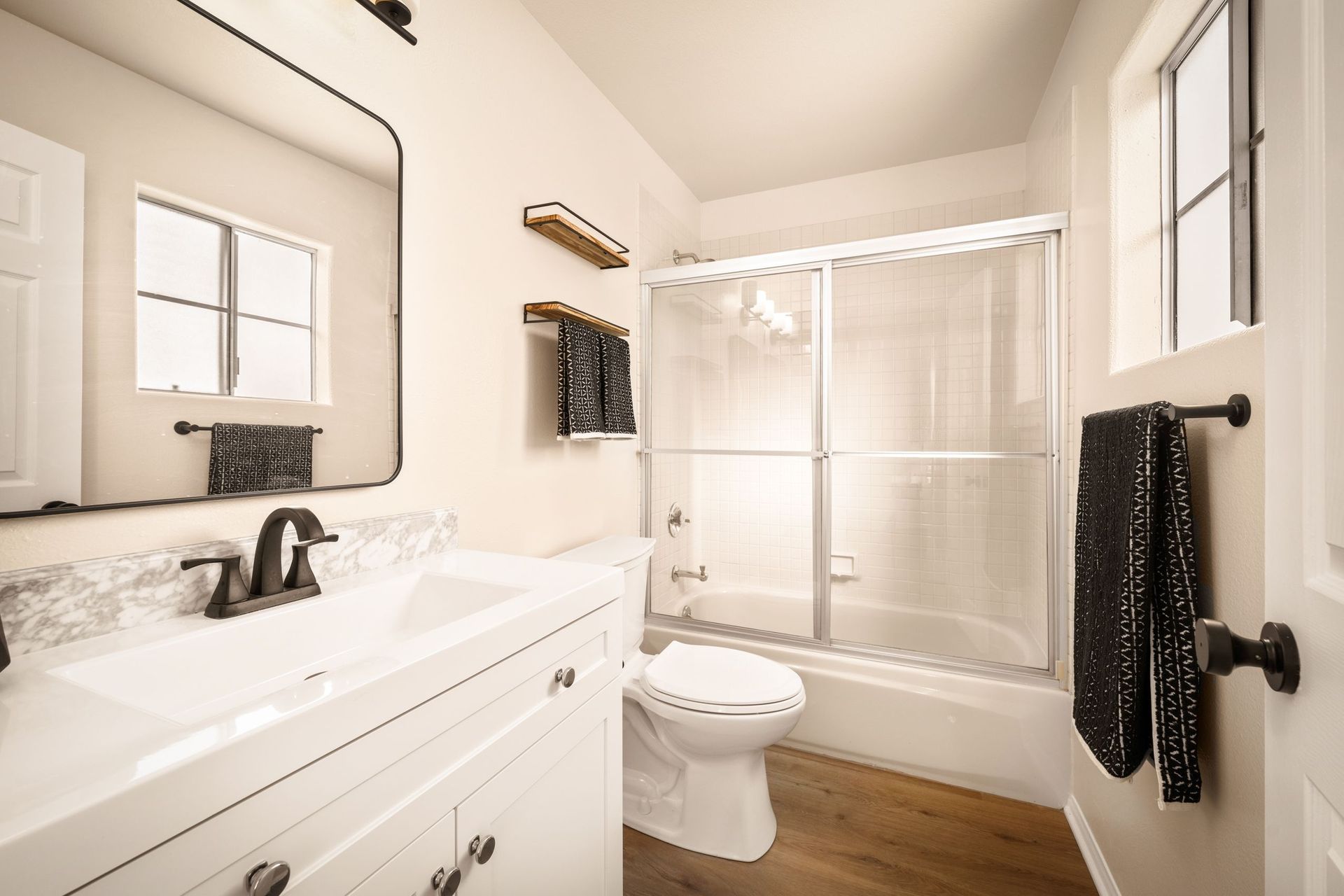
The rebuild phase is an opportunity to restore the property with intention. After a loss, homeowners may choose to update a kitchen layout, improve storage, replace outdated finishes, or use more durable materials in high-use spaces. Business owners may need to reconfigure a workspace, improve lighting, upgrade accessibility, or choose finishes that support easier maintenance.
The right choices depend on the scope of the loss, insurance allowances, budget, building requirements, and how long you expect to own or operate the property. Not every restoration project needs to become a full remodel. In some cases, matching existing finishes is the best path to a timely, cohesive result. In others, discontinued materials or widespread damage make a planned upgrade more practical.
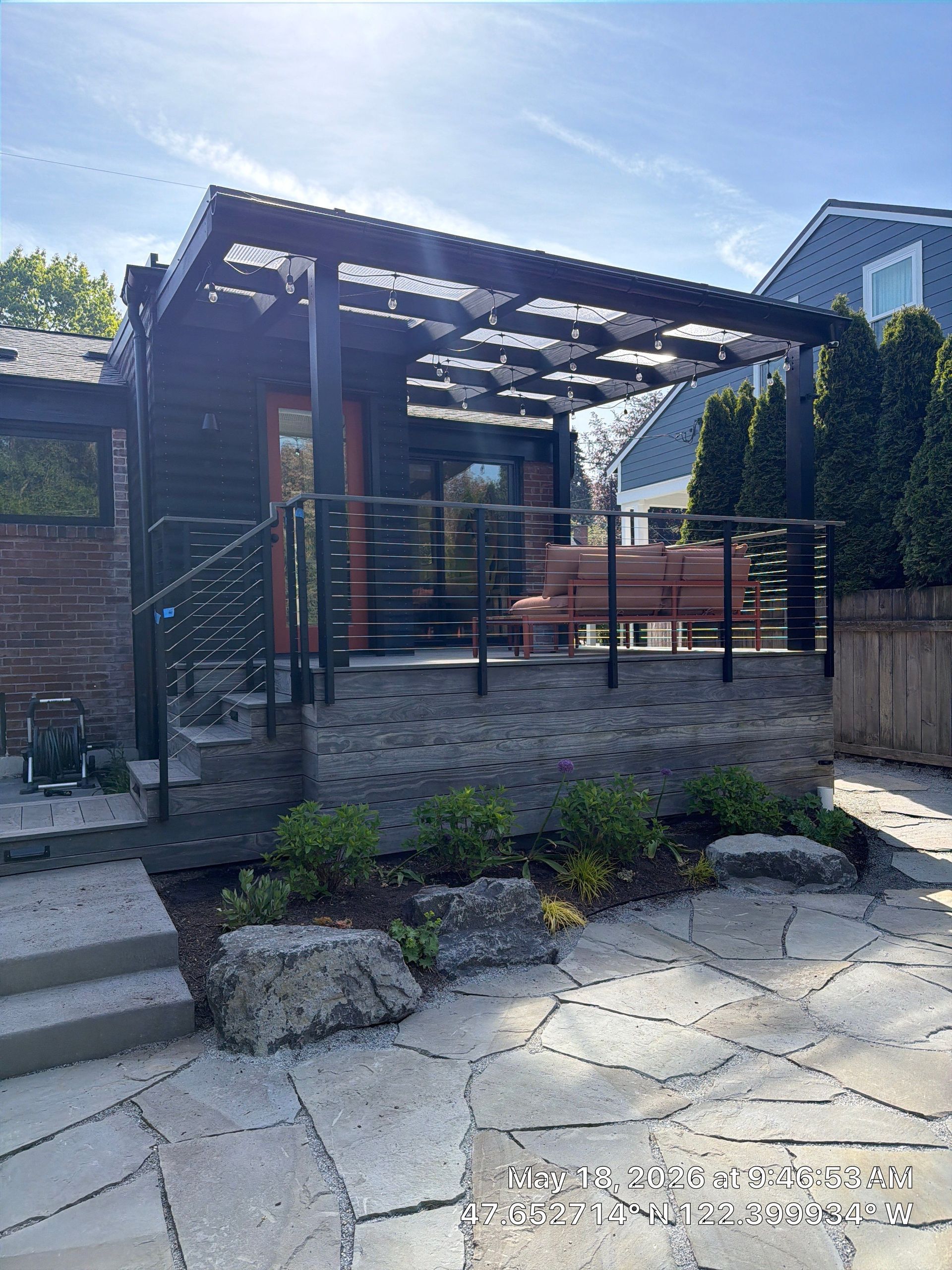
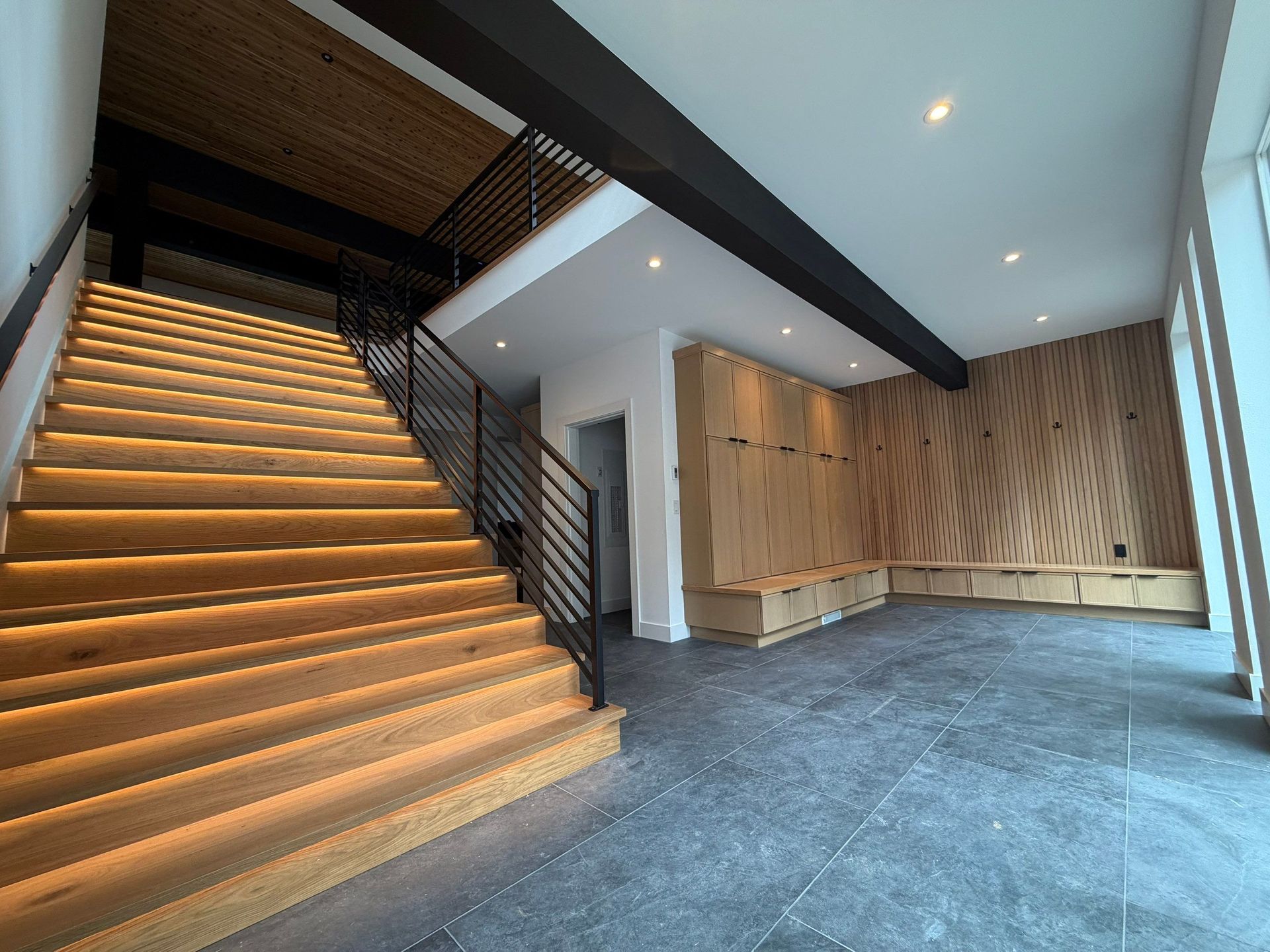
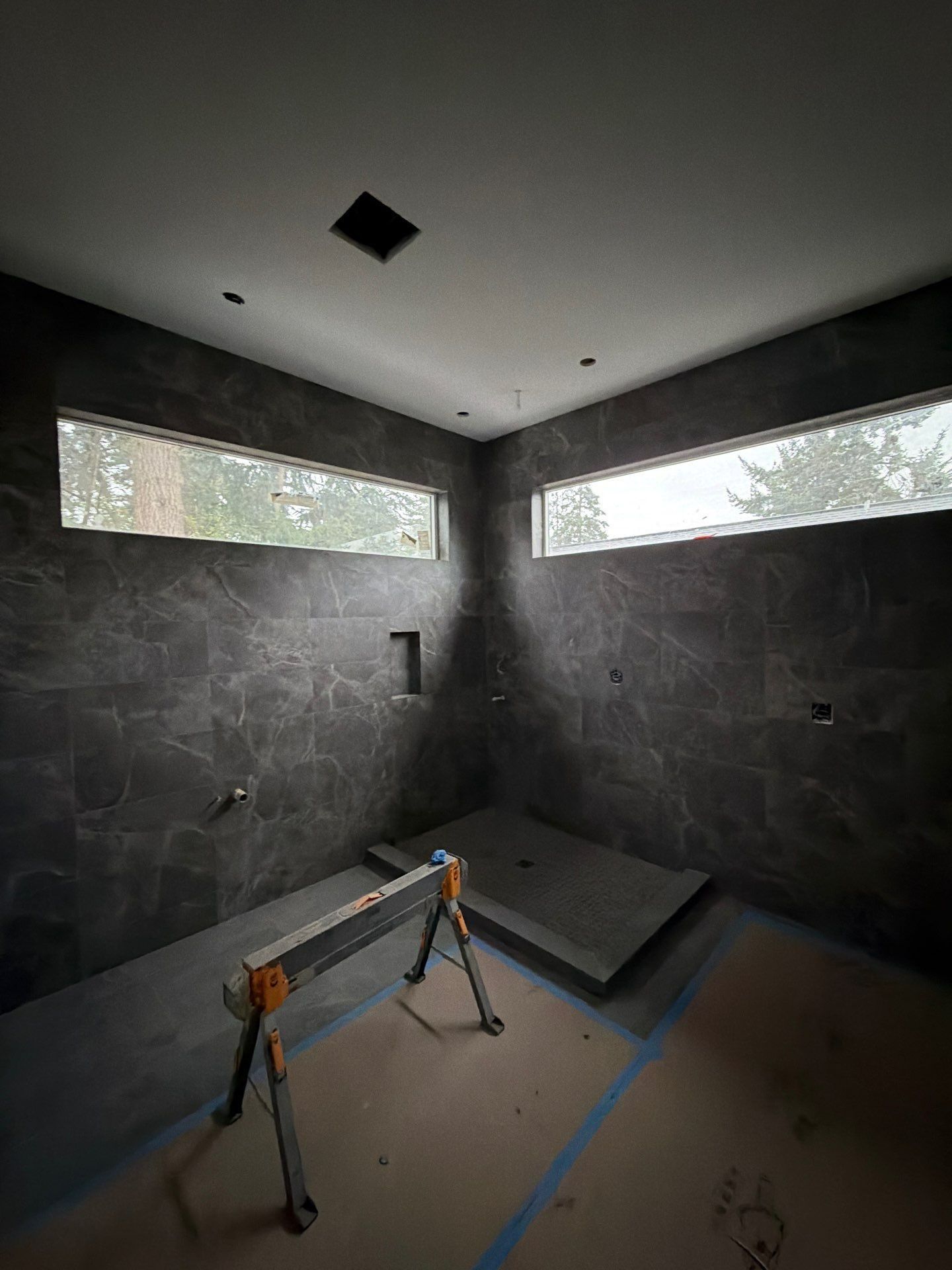
This is where a contractor with both restoration capability and finish expertise can simplify the process. Fortress Build & Finish approaches fire recovery with attention to structural repair as well as the details that make a completed space feel intentional: custom carpentry, tile, cabinetry coordination, paint, trim, and durable interior finishes. One coordinated team can reduce the handoffs that often slow a rebuild.
For commercial clients, sequencing is especially important. Work may need to be phased to preserve access, protect unaffected areas, meet inspection requirements, and minimize downtime. A clear schedule, transparent communication, and early material selections help keep the project moving once reconstruction begins.
Questions to Ask Before Hiring a Restoration Contractor
A dependable contractor should be able to explain the scope in plain language, identify immediate protection measures, and describe how they will document conditions for the claim. Ask whether the team handles emergency stabilization, water mitigation coordination, smoke and odor cleaning, reconstruction, permit requirements, and finish restoration. The answer will show whether you are hiring a single point of accountability or assembling separate trades yourself.
It is also reasonable to ask how hidden damage is handled, who communicates with the insurer, what the estimated schedule looks like, and how changes are approved. Fire restoration has variables, especially once affected walls and ceilings are opened. The goal is not an unrealistic promise that nothing will change. It is a contractor who identifies issues promptly, explains the options, and documents the next step before work proceeds.
A fire loss can make every decision feel urgent. Start by securing the property, documenting the damage, and choosing a contractor who treats both the recovery work and the final craftsmanship with equal care. That approach gives your home or business the best chance to come back safe, functional, and ready for what is next.