The day after a fire, most property owners are not thinking about finishes, schedules, or permit coordination. They are thinking about safety, insurance, and whether the building can be made whole again. That is exactly why choosing the right fire damage restoration contractor matters. The contractor you hire is not just cleaning up debris. They are helping protect the structure, document the damage, coordinate repairs, and rebuild the space in a way that supports long-term value.
Fire damage is rarely limited to what burned. Heat can weaken framing, smoke can travel through hidden cavities, and water used to extinguish the fire can create a second layer of damage. In homes and commercial spaces alike, the job often requires more than a basic cleanup crew. It takes a contractor who understands how to assess structural conditions, manage repairs across trades, and restore the finished space with care.
What a fire damage restoration contractor actually does
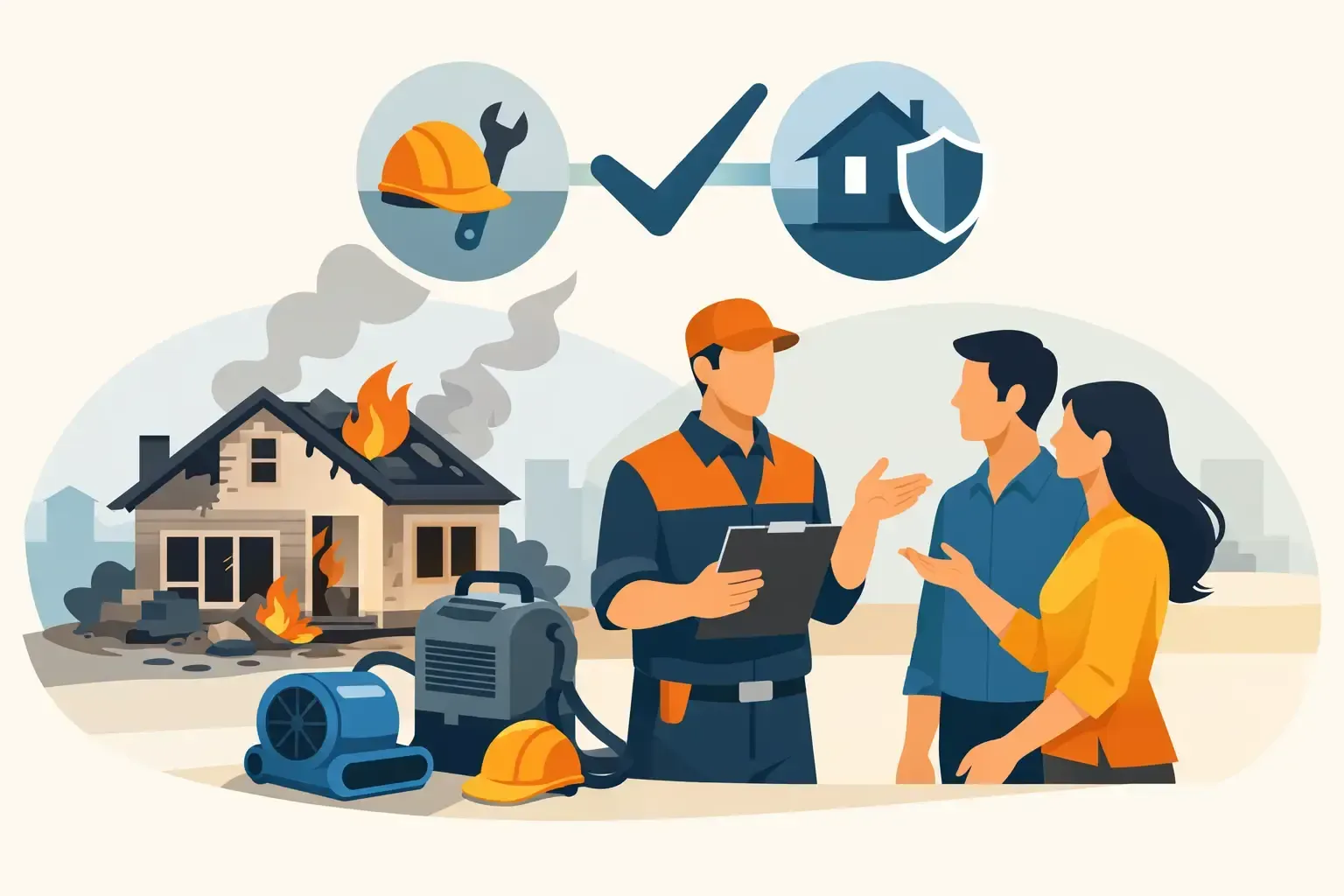
A qualified fire damage restoration contractor handles the work that begins after emergency response is complete and the site is safe to enter. That usually starts with a detailed assessment of visible and hidden damage. Burned materials may need to be removed, but so do smoke-contaminated surfaces, compromised insulation, damaged drywall, affected flooring, and in some cases structural elements.
From there, the contractor develops a restoration plan that fits the property. In some situations, the work is focused on one room or one section of the building. In others, smoke migration and water exposure expand the scope well beyond the original fire area. A dependable contractor looks at the whole property, not just the most obvious damage.
This is also where experience makes a real difference. Restoration work is not the same as standard remodeling. The sequencing is different, documentation matters more, and the repairs often involve a mix of demolition, drying, cleaning, reconstruction, and finish restoration. If the contractor also has strong finish capabilities, the final result tends to feel more complete rather than patched together.
Why contractor choice affects the outcome
After a fire, speed matters, but rushed decisions can create expensive problems later. Some contractors are equipped for demolition and basic rebuilds but fall short when the work calls for careful finish matching, insurance coordination, or a more complete project approach. Others may be strong on cosmetic repairs but not on structural assessment or complex restoration planning.
The right fit depends on the type of property and the extent of the loss. For a homeowner, that may mean finding a contractor who can restore damaged areas while preserving the character of the rest of the home. For a business owner, it may mean limiting downtime, phasing work carefully, and making sure the restored space is ready for use as quickly as possible.
A good restoration contractor brings order to a stressful process. They explain what needs immediate attention, what can wait, and how the work will move from stabilization to reconstruction. That level of clarity is often what property owners need most in the early stages.
How to evaluate a fire damage restoration contractor
The first thing to look for is relevant restoration experience. Not every general contractor has substantial fire loss experience, and not every restoration company has the construction depth to rebuild at a high level. Ask how they handle both sides of the project - damage recovery and finish restoration.
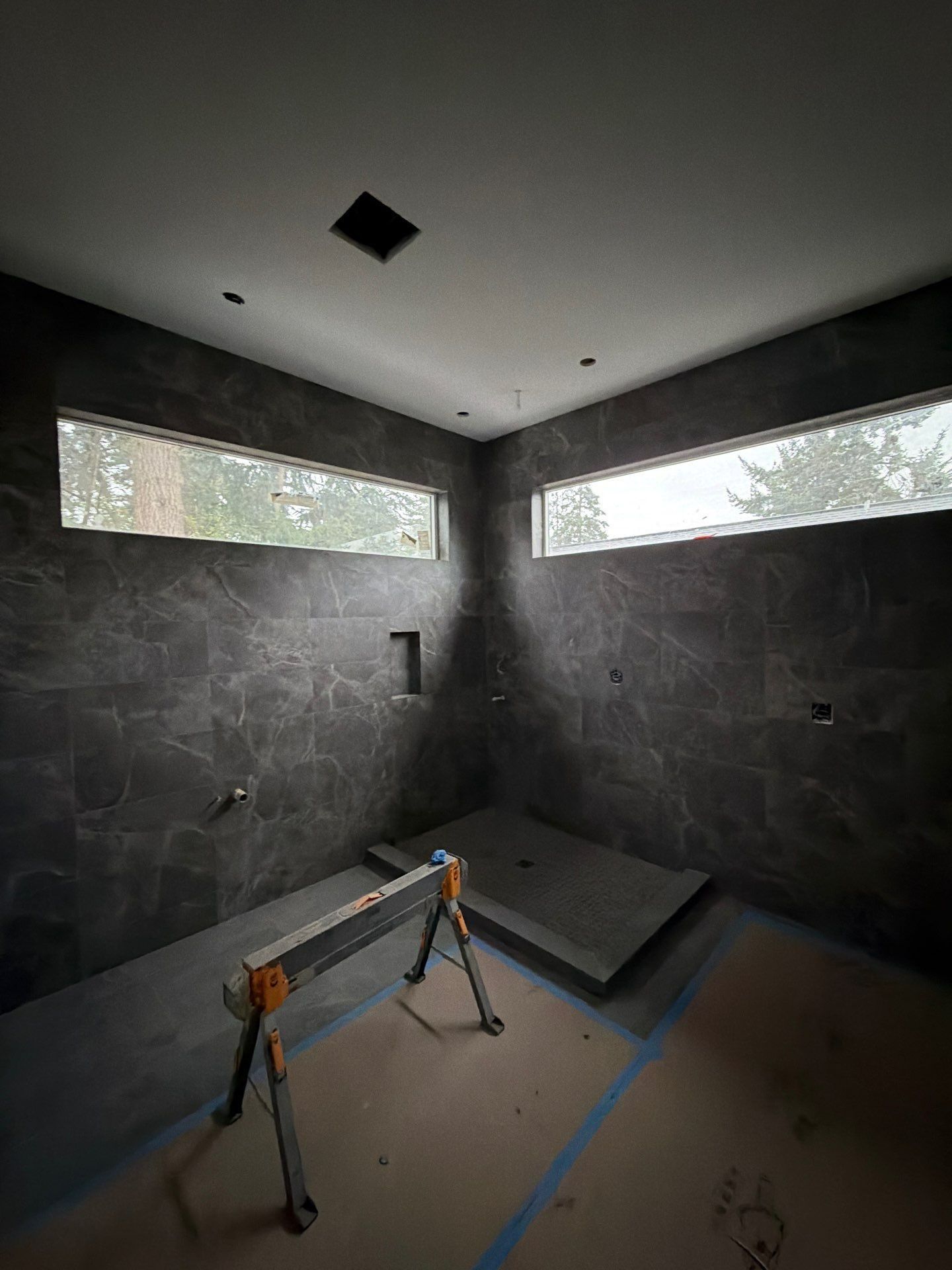
It also helps to understand whether the contractor can manage the work comprehensively. Fire restoration often involves demolition, framing, insulation, drywall, flooring, cabinetry, trim, tile, paint, and coordination with specialty trades. When too many parts are fragmented, communication suffers and timelines stretch.
Insurance knowledge is another practical advantage. A contractor does not replace your adjuster, but a team that understands claim documentation, repair scope, and restoration sequencing can make the process easier to navigate. That support can reduce misunderstandings and help keep the project moving.
Local accountability matters too. In a market like Seattle, building conditions, moisture concerns, permitting requirements, and scheduling realities all shape the job. A local contractor with established experience in the area is usually better positioned to plan realistically and respond consistently.
Questions worth asking before you sign
Property owners often focus on price first, which is understandable. But with fire damage, the better questions usually relate to scope, process, and quality control.
Ask how the contractor assesses hidden damage. Smoke and heat do not always leave obvious visual clues, and repairs based only on surface conditions can miss bigger issues. Ask who will manage the project day to day. Ask how they communicate schedule changes, insurance updates, and unexpected findings.
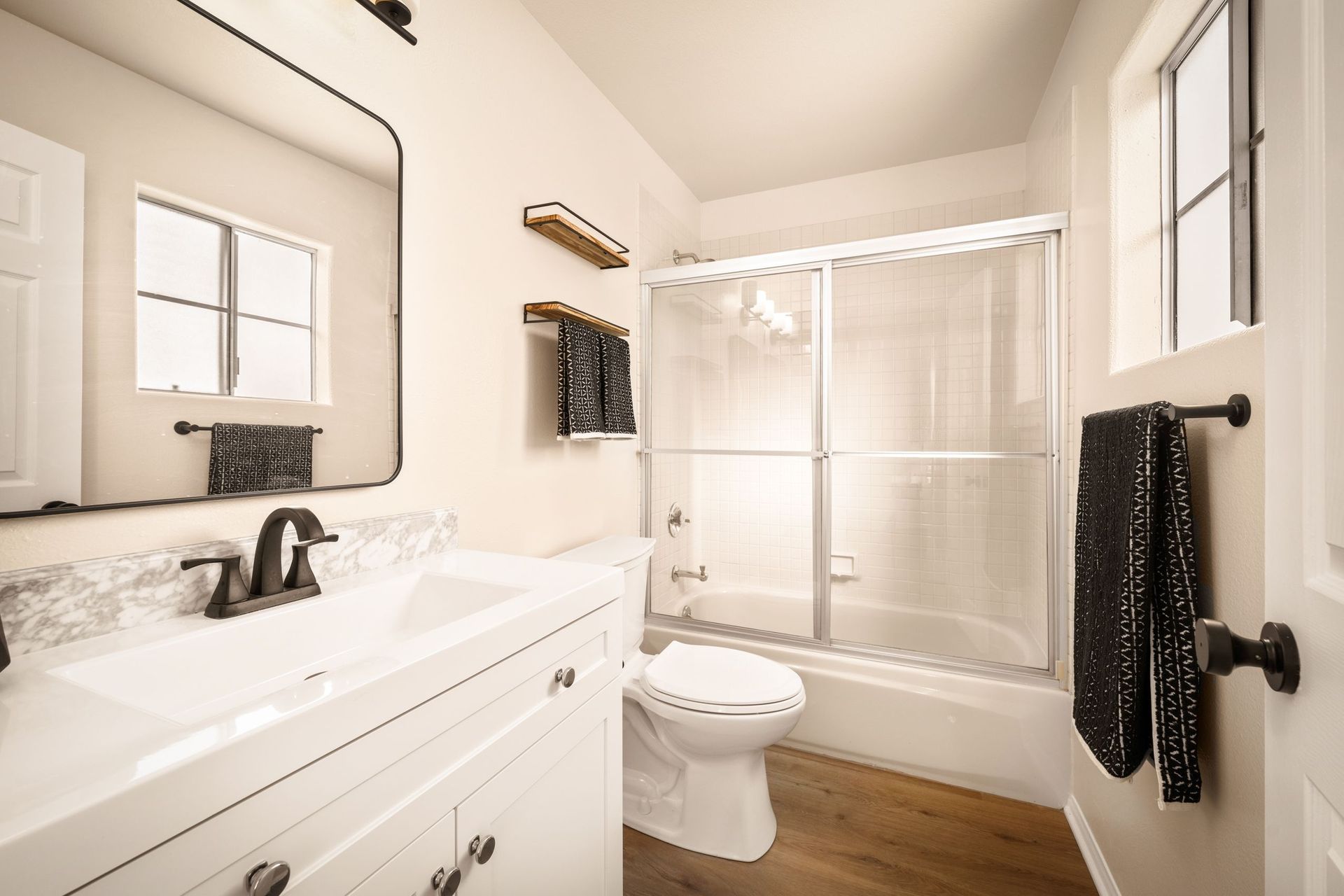
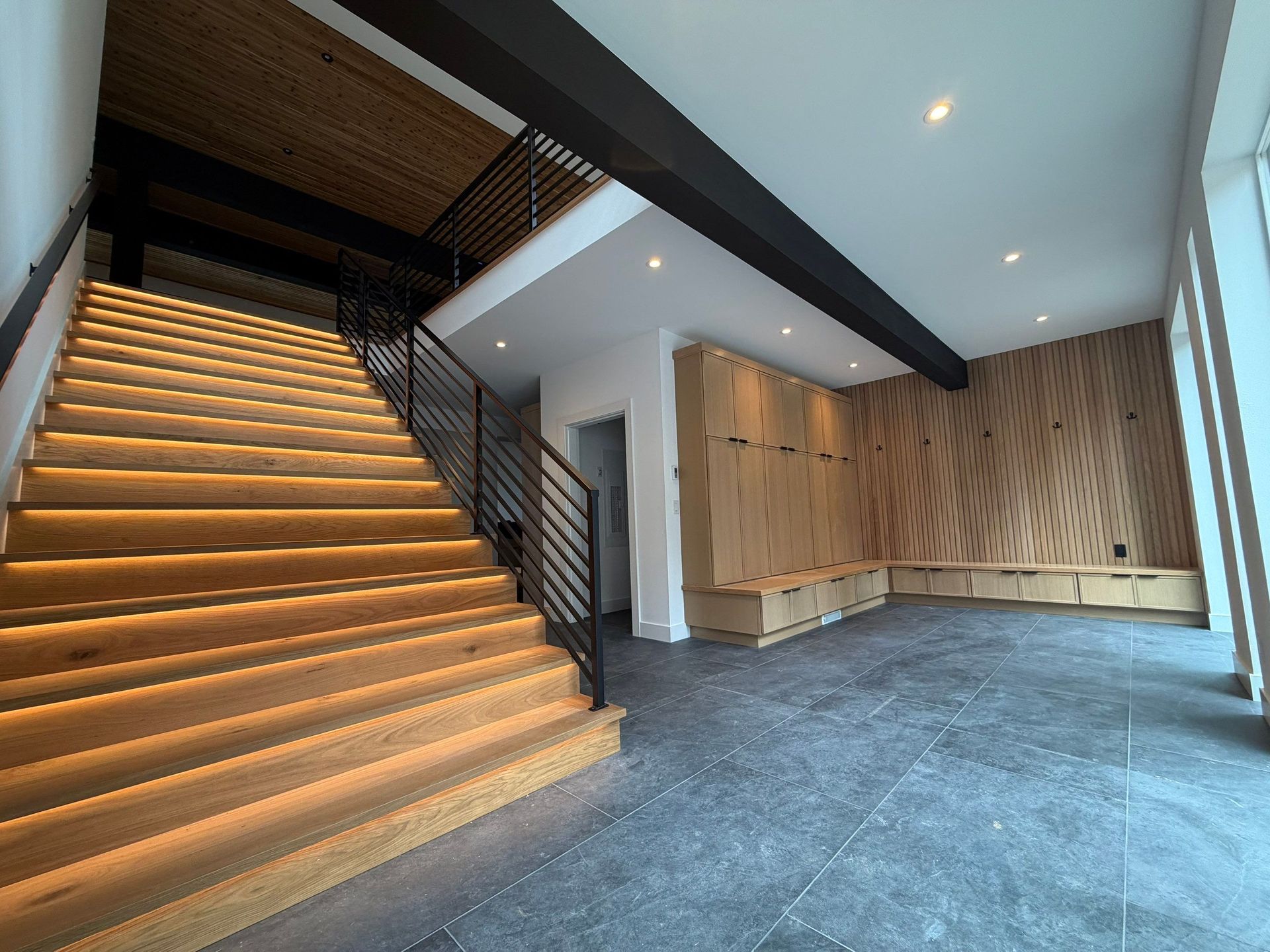
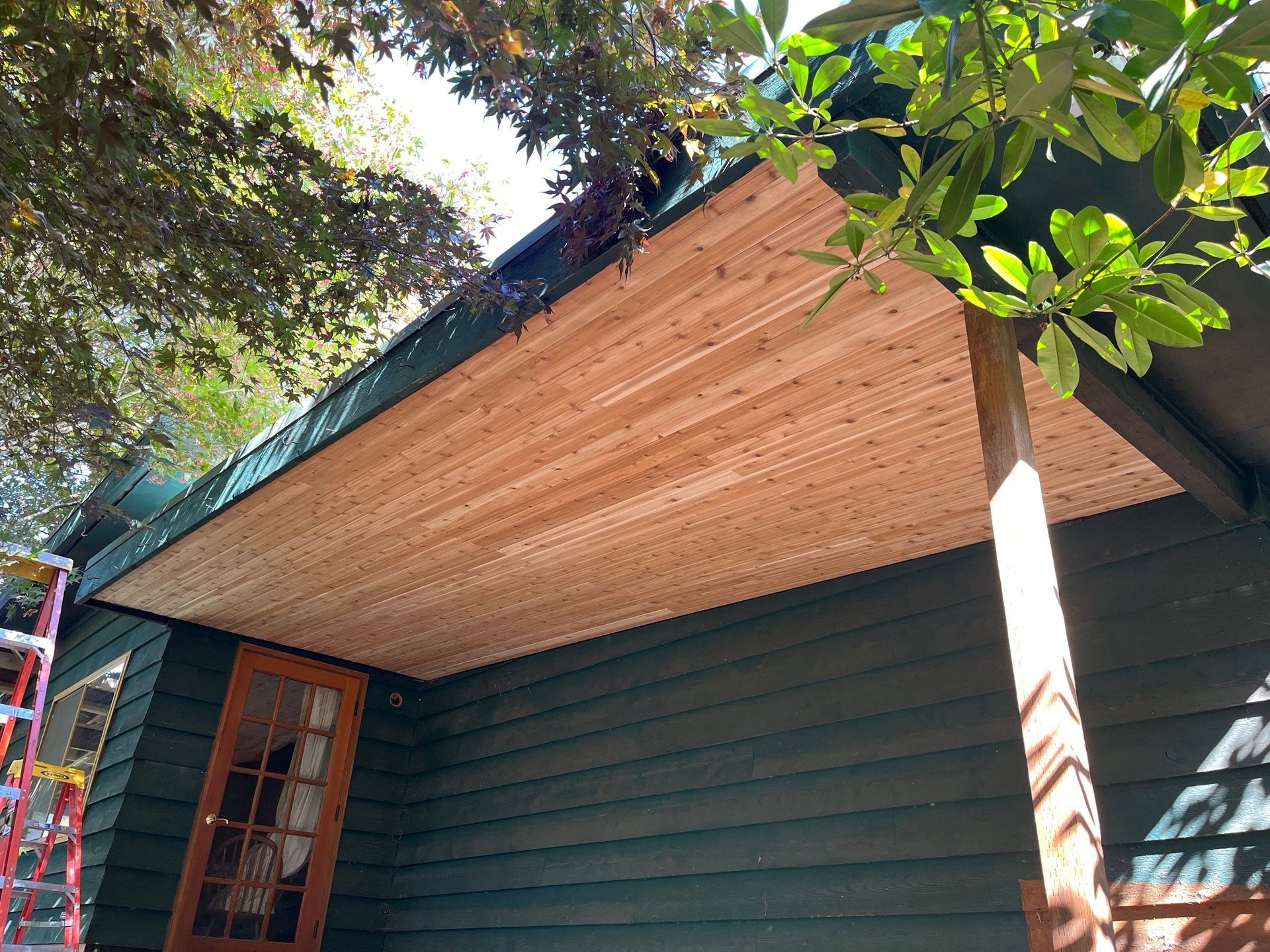
You should also ask how they approach reconstruction quality. Once the damaged materials are removed, the project becomes a rebuild. That is where craftsmanship shows. If trim profiles need to match, if tile work needs to blend with adjacent areas, or if a commercial interior needs to look professional and finished, details matter.
Finally, ask what parts of the process they self-perform and what parts they subcontract. There is no single right answer, but you want a clear picture of who is responsible for the finished result.
The difference between restoring and truly rebuilding well
Some fire restoration jobs are judged only by whether the building is usable again. That is too low a standard for many property owners. The better goal is to restore the property in a way that is structurally sound, visually cohesive, and built to last.
That is especially important in homes with custom details or in commercial spaces where appearance affects customer perception. If the repaired areas feel mismatched, rushed, or lower in quality than the original building, the damage may be technically repaired without the property feeling fully restored.
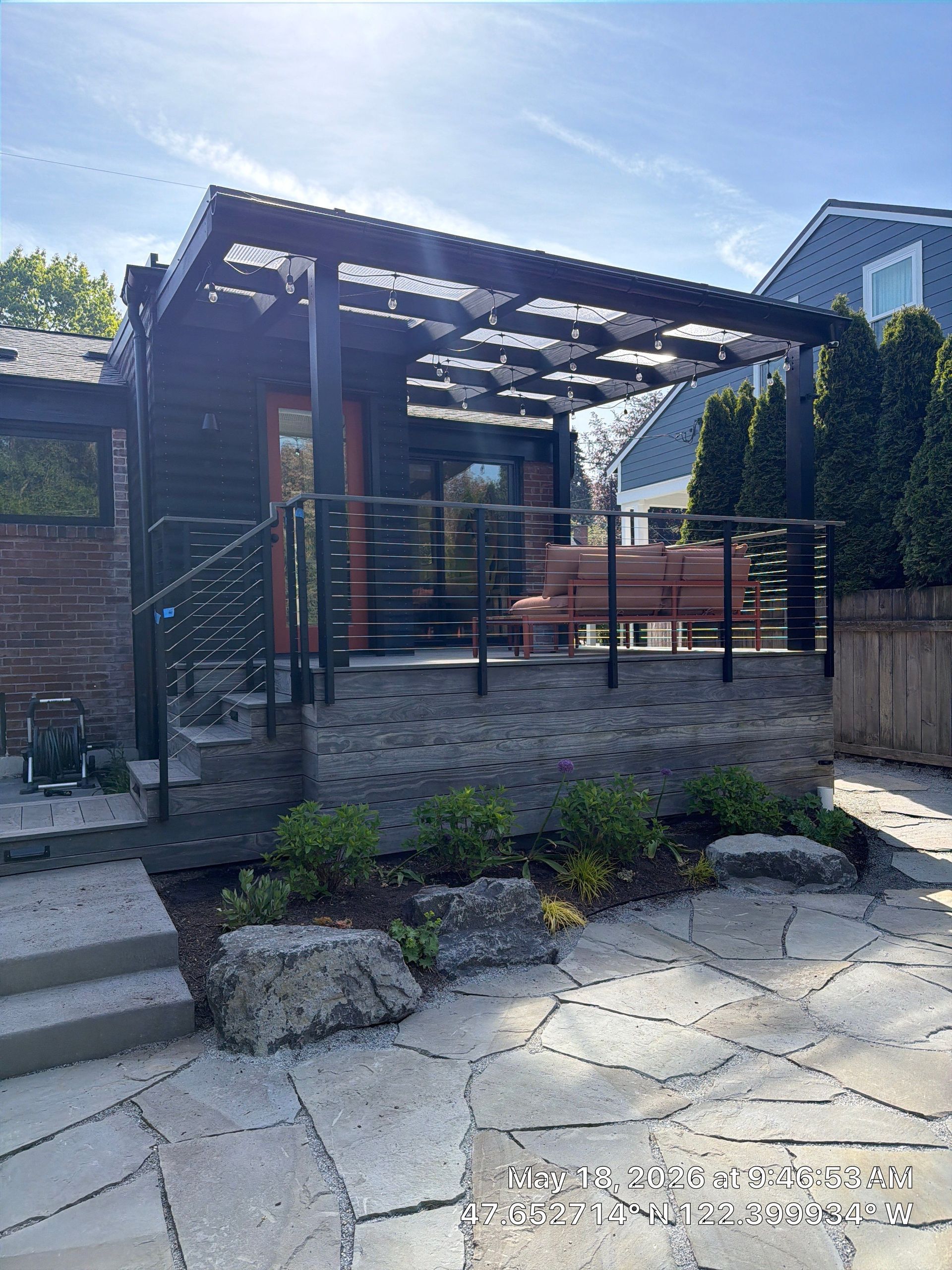
This is where a craftsmanship-centered contractor stands apart. Rebuilding after a fire is not only about replacing what was lost. It is about making thoughtful decisions so the repaired space functions properly and looks right when the work is done. Sometimes that means matching existing materials closely. Other times it means taking the opportunity to improve a layout, update finishes, or correct older construction issues uncovered during demolition. It depends on the property, the budget, and the claim scope.
Residential and commercial restoration have different priorities
For homeowners, the biggest concerns are often emotional as well as practical. The home may contain sentimental spaces, custom finishes, or daily routines that have been disrupted. A contractor serving residential clients needs to communicate clearly, protect unaffected parts of the home, and rebuild with sensitivity to both livability and design continuity.
For commercial clients, the priorities often shift toward operational continuity, code compliance, and efficiency. A retail space, office, or restaurant may need phased work, after-hours scheduling, or strategic planning to reduce business interruption. The right contractor understands that a commercial fire restoration project is not just a construction issue. It is a business issue.
What strong communication looks like during restoration
Good communication in restoration is specific. You should know what has been confirmed, what is still being evaluated, and what decisions are needed from you. You should understand whether the project is waiting on materials, insurance review, permit steps, or trade scheduling.
The best contractors do not overpromise just to win the job. They give realistic expectations, explain trade-offs, and keep clients informed as conditions change. That matters because fire restoration often includes unknowns behind walls, above ceilings, and beneath finished surfaces. Honest communication early is better than surprise costs and rushed explanations later.
A company like Fortress Build & Finish brings added value here because the work does not stop at damage recovery. When a contractor has both restoration capability and premium finish expertise, the project can move forward with a stronger eye on the final result.
Choosing for trust, not just urgency
The pressure to act quickly after a fire is real, but the best decision is usually the one that balances responsiveness with experience, scope management, and quality. A contractor who can stabilize, coordinate, rebuild, and finish the property well offers more than convenience. They reduce friction across the entire process.
If you are evaluating a fire damage restoration contractor, look for one who understands both what the building has been through and what it needs next. The right partner will help you move from disruption to recovery with a clear plan, dependable workmanship, and the kind of care that shows in the finished space.