After a House Fire in Washington: What Recovery Really Looks Like
After a House Fire in Washington: What Recovery Really Looks Like

Losing your home to a fire is one of the most overwhelming experiences a person can go through. If you or someone you know has recently been affected by a fire in the Pacific Northwest, you are probably searching for answers, comfort, and a clear path forward. That search for hope after a fire in Washington is something thousands of families have felt, and you are not alone in it.
Recovery after a house fire is not just about rebuilding walls and replacing furniture. It involves emotional healing, navigating insurance claims, finding temporary housing, and slowly piecing your life back together. For many people, the process feels confusing and exhausting, especially in those first few weeks.
This post is here to walk you through what recovery actually looks like, step by step. We will cover the practical side of things, like where to get help and what to expect from the timeline, but we will also talk honestly about the emotional journey. By the end, you will have a much clearer picture of what comes next and why there is genuine reason for hope.
The First Hours: What You Are Feeling Is Normal
If you have just watched firefighters leave your property, you are probably standing somewhere between stunned and completely overwhelmed. That feeling has a name, and it is a normal human response to an abnormal event. Losing a home to fire is not simply a property problem to be solved on a spreadsheet. It is a grief event, and the psychological literature is clear on this point. The disorientation you feel when familiar smells, textures, and objects disappear overnight is a documented trauma response, not an overreaction. Research from somatic psychology confirms that fire loss severs the sensory anchors that make a space feel like home, and that rebuilding those connections takes real time.
Washington's own recovery network acknowledges this directly. The After the Fire Washington resource hub lists emotional support right alongside housing and food as an immediate need, and notes that recovery can take "several years or longer, depending on the situation." That timeline is not a warning; it is permission to stop expecting yourself to have answers within the first 24 hours.
There is a specific gap that many survivors describe, the space between "the fire is out" and "I know what to do next." That gap can feel paralyzing, and the first step out of it is simply knowing it is normal. Once you are there, a few concrete priorities can help you find your footing. Confirm that everyone in your household is accounted for and safe. Contact your insurance carrier as soon as possible to open a claim and begin documenting what you can from a distance. Do not re-enter the structure until the fire marshal has cleared it, because fire-damaged buildings carry serious risks that are not always visible.
Recovery from residential fire damage is genuinely achievable. Across the Seattle area and broader Washington state, homes with significant structural fire damage are rebuilt and restored every year by construction teams with the technical range to carry a project from emergency response through final interior finishes. The word "hope" in the context of fire recovery is not just emotional language; it is a practical orientation toward what is possible. This guide is designed to make that path concrete, one step at a time.
The 48-Hour Window: Why the Next Two Days Define Everything
Once the firefighters pull away and the smoke begins to settle, a clock starts. Most homeowners do not know it is running. The next 48 hours are not just important — they are the window that determines whether your home gets genuinely restored or just patched over in ways that create bigger problems down the road. This is not marketing language. It is an industry-recognized threshold built around the chemistry of what a fire leaves behind.
What Soot Is Actually Doing to Your Home Right Now
Soot is not just dirt. It is chemically active residue packed with acids, and those acids get to work fast. Within hours of deposition, not days, soot begins etching metal surfaces, yellowing painted walls, and breaking down fabric fibers at a molecular level. The chrome fixtures in a bathroom two rooms away from the fire origin can show permanent pitting before a cleanup crew even arrives if response is delayed. Painted trim starts to discolor. Upholstery begins to degrade. Every hour that passes without professional intervention means more surfaces crossing from "cleanable" to "replace entirely." That distinction matters enormously to your restoration budget.
The Water Problem Nobody Warns You About
Here is something that surprises most homeowners: the water used to put out the fire is now one of your biggest threats. Firefighting suppression water soaks into subfloors, wall assemblies, and insulation, creating standing moisture conditions throughout the structure. Under the right temperature conditions, mold can begin developing within 24 to 48 hours of that moisture being introduced. Extraction and drying need to start almost immediately, and they need to be thorough, not surface-level. A floor that looks dry to the eye can be holding moisture inside the assembly for weeks if it is not properly addressed with professional drying equipment.
Smoke Goes Places You Cannot See
One of the most misunderstood aspects of fire damage is how far smoke actually travels. Under the pressure created by a structure fire, smoke gets forced into wall cavities, floor assemblies, and HVAC ductwork far beyond the room where the fire burned. That means a kitchen fire can leave smoke odor and residue inside the walls of a bedroom on the other side of the house. If a restoration contractor does not assess those hidden areas early, smoke contamination gets sealed inside the structure during repairs and resurfaces as persistent odor problems and long-term air quality issues months later.
Why Your Contractor Choice Is the Most Important Decision You Will Make This Week
Across the restoration industry, choosing the right contractor within this 48-hour window is consistently identified as the single biggest factor in whether your home is properly restored or just cosmetically repaired. A contractor who understands the full picture, including smoke migration, moisture extraction, hidden structural damage, and material-specific cleaning protocols, will approach your project differently than one who shows up to paint over the visible damage and call it done. With the Hope Fire alone resulting in the loss of two homes and 20 structures in Stevens County, and active fires continuing to burn across northeastern Washington, the urgency of having a trusted, experienced local contractor ready to respond is not theoretical. The decisions made in these first two days set the trajectory for everything that follows.
Mitigation vs. Restoration: Two Different Things Often Confused
Here is something that trips up almost every homeowner going through this for the first time: the word "restoration" gets used loosely, and it ends up meaning very different things depending on who is saying it. Understanding the actual distinction between mitigation and restoration is not a technicality. It is the difference between knowing what you are paying for and discovering halfway through the process that you are only halfway done.
What Mitigation Actually Means
Mitigation is the emergency phase. When a crew shows up in the first 24 to 48 hours, their job is to stop the damage from getting worse. That means boarding up windows and doors, extracting standing water left by fire suppression hoses, tarping a compromised roof, removing debris that poses a safety risk, and stabilizing the structure enough that it does not continue deteriorating. It is controlled damage management, and it matters enormously. But here is the part that surprises most people: mitigation does not mean your home is being rebuilt. Not even close. When the mitigation crew packs up and leaves, your house is stable. It is not livable. It is not restored. The work that returns it to the condition it was in before the fire has not started yet.
What Restoration Actually Means
Restoration is the longer-term repair and rebuild phase. This is where structural framing gets reconstructed, smoke-damaged insulation and drywall get replaced, mechanical and electrical systems get repaired to code, and interior finishes like flooring, trim, cabinetry, and paint get brought back to pre-loss condition. Smoke remediation is part of this phase too, including the process of sealing wall cavities and framing with encapsulant to prevent odor from migrating back into living spaces after walls are closed up. According to industry guidance on fire damage mitigation vs. restoration, these two phases are fundamentally different in scope, timeline, and cost, and treating a mitigation quote as a full repair price is one of the most common and costly mistakes homeowners make.
The Handoff Problem Nobody Warns You About
Many of the large, nationally recognized franchise operations active in the Seattle market are built around mitigation. They are very good at the emergency response side of things. But once your home is stabilized, those same companies often hand the project off, leaving you to find a separate reconstruction contractor mid-process. As research into the mitigation and restoration distinction confirms, this split between phases creates real accountability gaps. A mitigation crew that will never close up your walls has little practical incentive to smoke-seal the wall cavities before they leave. A reconstruction crew that inherits someone else's mitigation scope may not know exactly what was done, what was skipped, or what is hiding inside the walls they are about to seal shut. The problems that result from that gap often do not show up until months later, long after anyone involved in the first phase is reachable.
The One Question to Ask Before You Sign Anything
Before you sign any contract with any contractor, ask this directly: do you handle both mitigation and reconstruction in-house, or do you hand off to a separate team at some point? The answer determines who is accountable for the full outcome of your project. As analysis of why the mitigation and restoration distinction matters in claims makes clear, when the two phases are treated as separate transactions handled by separate parties, the seams between them become the places where problems hide. A contractor who does both, with the same team, has every reason to do the mitigation correctly because they are the ones who will be finishing the walls afterward.
What Full Fire Restoration Actually Covers, Phase by Phase
Now that you understand the difference between mitigation and restoration, it helps to see exactly what full restoration looks like when it is done correctly. Most homeowners picture new drywall and fresh paint. The reality is a lot more layered than that, and each phase has to happen in order. Skipping a step, or rushing through one to save time or money, is how homes end up with hidden problems that show up years later.
Phase 1: Structural Assessment
Everything starts here. Before a single piece of debris is removed, a licensed contractor walks the property to evaluate load-bearing walls, roof structure, floor framing, and any other elements that take the weight of the building. The goal is to understand what is safe, what is compromised, and what needs to come down before rebuilding can begin. What most homeowners do not realize is that this documentation, including photographs, written reports, moisture readings, and structural notes, is also the foundation of your insurance claim. A thorough assessment protects you financially just as much as it protects the physical structure.
Phase 2: Smoke Sealing
Cleaning visible soot is not enough. Smoke travels under pressure during a fire and forces itself into wall cavities, framing lumber, and subfloor material. After surfaces are cleaned, a high-strength encapsulating sealant is applied directly to framing and other affected surfaces to lock residual smoke compounds into the material itself. This prevents those compounds from off-gassing into the air once the walls are closed back up. Skipping this step, or applying sealant too lightly, is the most common reason homeowners still smell smoke in a home that was supposedly restored years earlier. The fire damage restoration process in Washington confirms that smoke penetration into cavities and HVAC systems requires deliberate, specialized treatment at this phase, not just surface cleaning.
Phase 3: Hazardous Material Abatement
Fire does something that catches a lot of homeowners off guard: it disturbs materials that were previously stable and sealed inside the building. In homes built before 1980, that often means asbestos in insulation, floor tile adhesive, or pipe wrap. In homes built before 1978, it can mean lead paint. These materials were not a daily hazard before the fire. After a fire, they are. Abatement has to happen before reconstruction begins, not after new materials go in. Washington contractors treat this as a distinct phase precisely because putting it off creates serious liability and health risk for everyone working in the space.
Phase 4: Mechanical, Electrical, and Plumbing Repair
This is the phase most people underestimate. Heat does not have to reach a wire directly to damage it; smoke alone degrades wiring insulation over time. Plumbing fittings corrode. HVAC components trap soot and continue circulating it through the home if not cleaned or replaced. Fire damage restoration in Western Washington specifically identifies corrosion treatment of metals and electrical components as a named part of the restoration process. All affected systems have to be assessed and brought to current code before walls are closed, because once drywall goes up, what is behind it stays there.
Phase 5: Interior Finishes
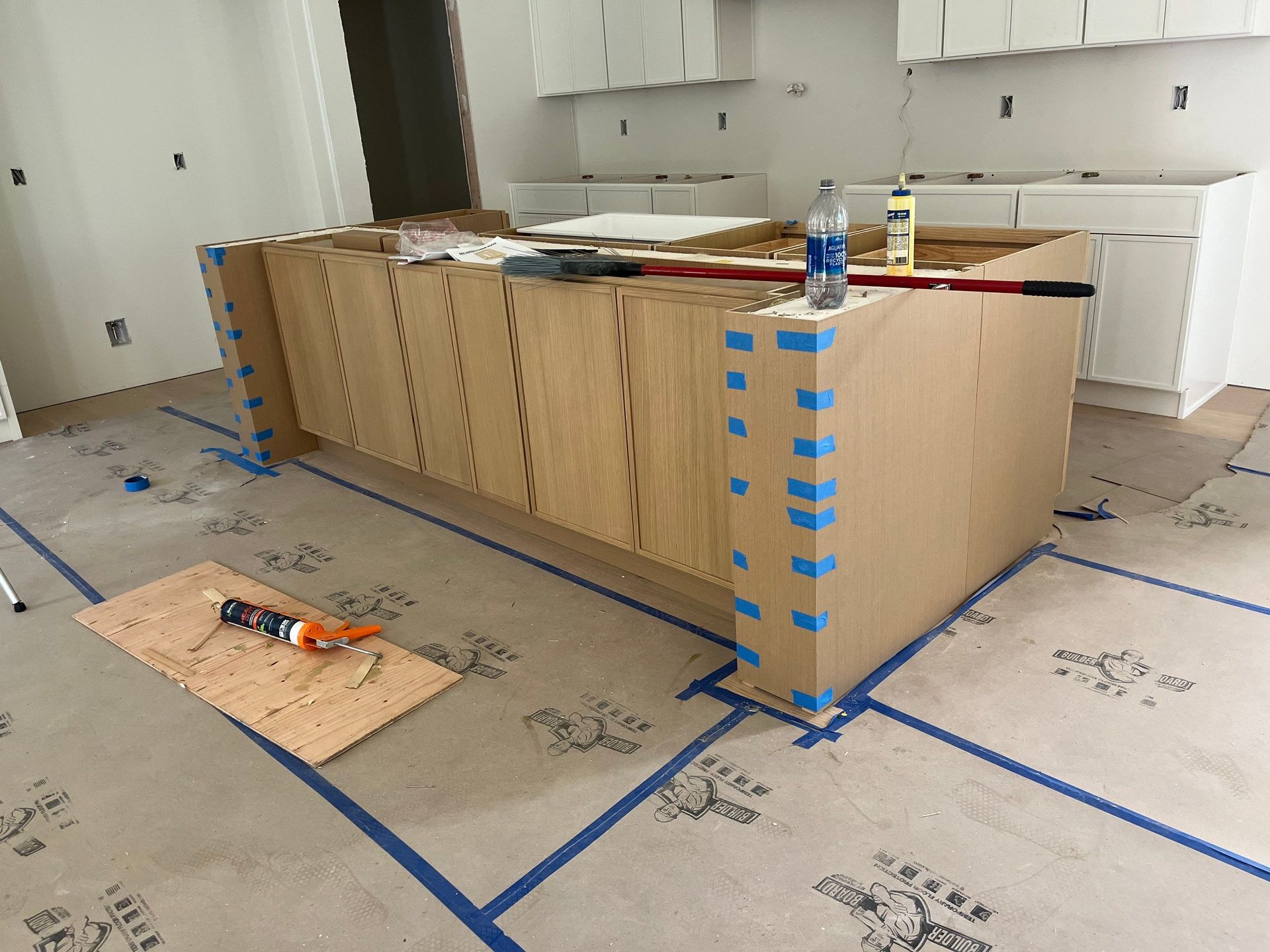
This is the phase that homeowners picture when they think about rebuilding: framing, drywall, cabinetry, tile work, trim carpentry, and paint. It is also the phase where the quality gap between contractors shows up most clearly. When a team does finish carpentry and tile in-house rather than subcontracting it out, the people doing the work are the same people who assessed the damage. That continuity matters for fit, detail, and accountability. A subcontracted finish crew has no investment in what happened during the earlier phases.
Phase 6: Final Permit Sign-Off
Fire restoration work in Washington State requires permit inspection and a formal sign-off confirming that the rebuild meets current code. This is not a formality. It is the mechanism that verifies the structural, electrical, plumbing, and mechanical work was done correctly. Any contractor who cannot pull permits, or who suggests skipping them to move faster, is leaving you with a rebuild that has never been independently verified. That becomes your problem at resale, at refinance, and potentially at the next insurance event. A licensed, bonded contractor pulls permits as a matter of course, because doing the work right means documenting that it was done right.
Older Seattle Homes: A Caution Worth Understanding
If your Seattle home was built before 1980, there is an additional layer of complexity in post-fire restoration that most homeowners never think about until they are already in the middle of a crisis. Seattle's housing stock includes thousands of structures built during an era when asbestos was a standard, code-compliant building material. Vinyl floor tiles, pipe and duct insulation, textured ceiling coatings (the classic "popcorn" look), and drywall joint compound from pre-1977 formulations all commonly contained asbestos. The original builders were not doing anything wrong. These materials were legal, widely used, and considered appropriate for the time. But they are present in a significant share of Seattle's existing homes today.
Why Fire Changes Everything About These Materials
Here is the part that catches people off guard. Asbestos-containing materials that are fully encapsulated and undisturbed in an intact home are generally considered stable. The fibers are bound within solid material and not going anywhere. A fire changes that completely. Heat fractures flooring and ceiling textures. Suppression water soaks and degrades surfaces that had been stable for decades. Post-fire demolition physically breaks apart materials that were never meant to be disturbed. The result is that fibers previously locked inside solid surfaces can become airborne inside a structure that is now open, wet, and actively being worked on.
Pre-1978 homes carry a parallel concern with lead paint. Heat and physical disruption during fire damage cleanup can generate lead dust at levels that require specific abatement protocols before any reconstruction work begins. Washington State law requires a complete asbestos survey before demolition begins on any pre-1985 structure, per Seattle-specific guidance from Global Asbestos Abatement. This is not optional paperwork. It is a legal requirement that exists because these materials are genuinely widespread across this era of construction.
What to Ask Any Contractor Before Work Begins
A restoration contractor with 25 or more years working across Seattle's neighborhoods will have encountered these conditions in Craftsman bungalows, mid-century ramblers, and everything in between. That depth of local experience is a substantive qualification worth taking seriously. Before agreeing to any scope of work, ask directly: does your process include hazardous material testing before demolition begins, and is that testing performed by a qualified, independent third party? A visual inspection alone is not sufficient. Proper testing means professional sample collection sent to an accredited laboratory. If a contractor cannot clearly answer that question, that is important information.
Wildfire Smoke Season and What It Means for Washington Homeowners
If you have lived in the Seattle area for more than a few summers, you already know the feeling: you step outside on an August morning and the air has that hazy, acrid quality that tells you fire season has arrived somewhere upwind. Washington State's dense evergreen forests, particularly east of the Cascades, make wildfire smoke a recurring seasonal reality for the greater Puget Sound region. This is not a once-in-a-decade event anymore. For homeowners, that matters because smoke infiltration risk applies to any home, including ones that have never experienced a fire inside their walls.
Why Smoke Gets Inside Even When the Fire Is Miles Away
Here is the part that surprises most people. Smoke does not simply float past your house and disappear. Under the pressure differentials that naturally occur inside any building, smoke-laden outside air gets pulled inward through every gap it can find. That includes the small openings around electrical boxes, plumbing penetrations, gaps at the sill plate, and unsealed spaces inside wall cavities. Once inside those assemblies, smoke deposits fine particulates and volatile organic compounds in places a mop and a candle will never reach.
Older Homes Carry More Risk
Homes built before modern energy codes were adopted tend to have lower air-sealing standards, and that makes them significantly more vulnerable during heavy smoke seasons. If your Seattle home already has the characteristics discussed in an earlier section of this post, the wildfire smoke concern compounds what may already be an imperfect indoor air quality situation.
The practical takeaway here is important: a contractor experienced in fire restoration already understands smoke behavior inside building assemblies. Those same assessment and remediation skills apply directly to wildfire smoke infiltration cases, not just interior fires.
If you notice a persistent smoke odor inside your home after a wildfire smoke event, do not wait to see whether it fades on its own. That smell is evidence of deposited material inside your structure. Have it assessed. The longer residual smoke compounds sit inside building materials, the more difficult complete remediation becomes.
Navigating Insurance After a Fire: A Practical Guide for Washington Homeowners
The insurance side of a fire claim can feel just as overwhelming as the fire itself. Here is a practical walkthrough of what to do, what to know, and what to watch for.
Start with documentation before anything else. The Washington Office of the Insurance Commissioner advises homeowners not to throw out any damaged items until the insurance company has inspected them and authorized disposal. Before any cleanup begins, walk through every affected room with your phone camera running. Photograph every damaged item, every wall, every piece of structural damage you can see. This documentation becomes the foundation of your entire claim negotiation. Without it, you are relying on memory and estimates. With it, you have evidence. Also keep every receipt for emergency repairs or temporary lodging since those costs are typically reimbursable under Additional Living Expenses coverage. You can find the OIC's full fire claim guidance at the Washington Office of the Insurance Commissioner.
The adjuster's first number is not the final number. Adjusters use line-item software databases to build their estimates. Those databases do not always reflect current Seattle labor rates, the cost of specialty finish materials, or the full scope of smoke damage that has migrated into wall cavities and structural framing. An adjuster may also shift blame to pre-existing conditions or "wear and tear" on items that were clearly damaged by the fire. If an adjuster tells you something is excluded, ask them to point to the exact policy provision in writing. A contractor who prepares their own independent written scope assessment gives you documented grounds to push back with real numbers rather than guesses.
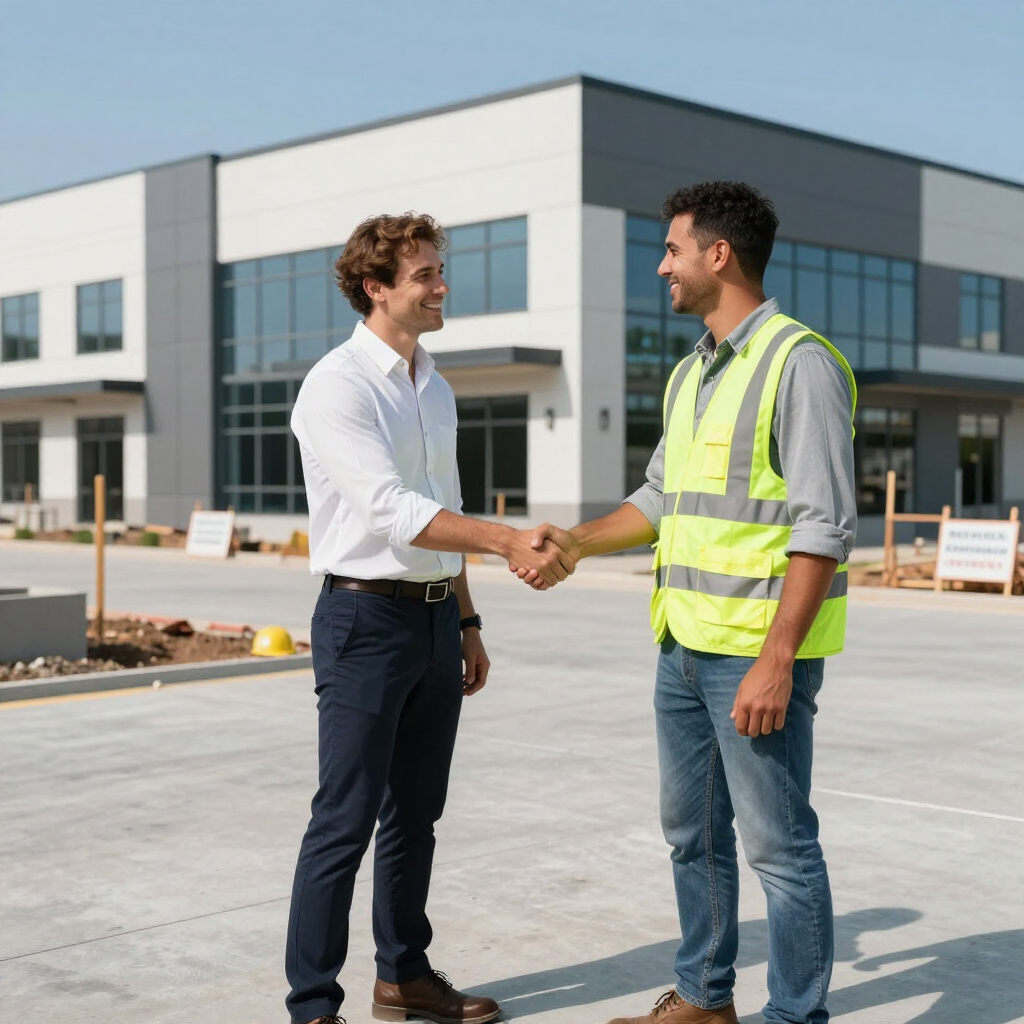
You have the right to choose your own contractor. This is one of the most important things Washington homeowners do not know going into a claim. An insurer can suggest preferred vendors. They cannot legally require you to use them. After a fire, contractors may show up at your door unsolicited. Some are legitimate; some are not. The OIC is direct about this: you are not obligated to sign anything on the spot. Take time to vet who you hire, and understand that your choice of contractor is yours to make.
Verify licensing before signing anything. Washington State requires contractors to hold active registration through the Department of Labor and Industries. Before you sign any agreement, look up the contractor at verify.lni.wa.gov. A legitimate contractor's license number should appear on every document and proposal they hand you.
Beyond licensing, ask two more questions: does the contractor carry both liability insurance and a surety bond, and will they pull the required permits for the full scope of work? A contractor who asks you to pull your own permits is a serious red flag. These three items, an active license, bonding, and proper permits, are the minimum compliance baseline for fire restoration work in Washington.
Fortress Build and Finish holds Washington State contractor's license FORTRBF756KA and is bonded and insured. Confirming those credentials through the LNI verification portal before signing any agreement is the right step with any contractor you consider, including this one. You can also reach the OIC directly at 800-562-6900 or at insurance.wa.gov if you have questions about your rights at any point in the claims process.
How to Choose the Right Fire Restoration Contractor in Washington
Seattle's fire restoration market has at least 26 listed professionals with a combined total of over 1,100 reviews, which sounds reassuring until you realize that review volume tells you almost nothing about whether a contractor is actually qualified to restore your specific home correctly. Choosing the right contractor comes down to asking the right questions before you sign anything, and knowing exactly what answers should raise red flags.
Start With IICRC Certification, But Dig Deeper Than the Logo
IICRC certification (Institute of Inspection, Cleaning and Restoration Certification) has become a baseline trust signal in fire restoration, and most reputable contractors will display it prominently on their website. The problem is that displaying the logo and actually holding current, valid certification are two different things. The IICRC maintains a public list of firms incorrectly promoting certified status, and you can verify any contractor independently through the IICRC Global Locator tool. More importantly, ask specifically whether the technicians who will work in your home hold individual IICRC credentials, not just whether the company has a certificate somewhere in a filing cabinet. The relevant standard for fire and smoke restoration work is the IICRC S700, and any contractor serious about this category of work should be familiar with it without hesitation.
Ask Who Actually Does the Finish Work
This question catches a lot of homeowners off guard mid-project. Many mitigation-first restoration companies handle the emergency response and structural drying with their own crew, then subcontract the interior finish work (cabinetry, tile, trim carpentry, paint) to a third party the homeowner never vetted and never met. That creates a second layer of accountability questions at exactly the moment when you are most exhausted and most eager to see the project finished. Ask directly: does your company employ the crew doing tile and finish carpentry, or are those phases subcontracted? Get the answer in writing. A contractor who handles the full scope under one roof eliminates this handoff problem entirely and gives you one point of contact for the complete outcome from start to finish.
Verify Era-Specific Experience and Demand a Written Scope
Seattle's housing stock spans pre-1950 Craftsman homes, mid-century builds, and more recent construction, and each era behaves differently after a fire in terms of smoke penetration, potential hazardous materials, and finish matching. A contractor with genuine experience across all three eras will understand these material differences without you having to explain them. For more on how certification standards apply to this kind of work, understanding IICRC standards for fire restoration work is a useful starting reference.
Before you sign anything, ask for a written scope of work with line items covering every phase: structural assessment, hazardous material abatement, mitigation, interior finishes, permit filing, and final permit sign-off. A contractor who cannot produce this document is not ready to manage a full restoration project, regardless of how many reviews they have online. Also verify their Washington State contractor registration directly through the L&I lookup tool, which is free, public, and takes about two minutes. Volume and star ratings are a starting point, not a finish line.
What Recovery Looks Like on the Other Side
Recovery from a house fire is not a single moment. It is a sequence of smaller ones, each carrying its own weight. The day the demolition crew finishes clearing damaged material and the space is finally clean. The day framing is complete and the bones of your home are standing again. The day drywall goes up and rooms start to feel like rooms. And eventually, the day you walk through the front door and the air smells like your house again rather than smoke. That last one tends to arrive quietly, and it means more than most people expect.
The financial range for getting there varies widely. Minor smoke and soot cleanup in Seattle typically starts around $5,000 to $13,000, depending on how far smoke traveled through the structure. Full structural rebuilds sit in a significantly different range, running from roughly $100,000 to $290,000 based on fire origin, how extensively smoke moved through wall cavities and HVAC systems, how much suppression water soaked into framing and subfloors, and whether hazardous material abatement is required. In older Seattle homes, asbestos and lead paint are common variables that add both time and cost to the overall scope.
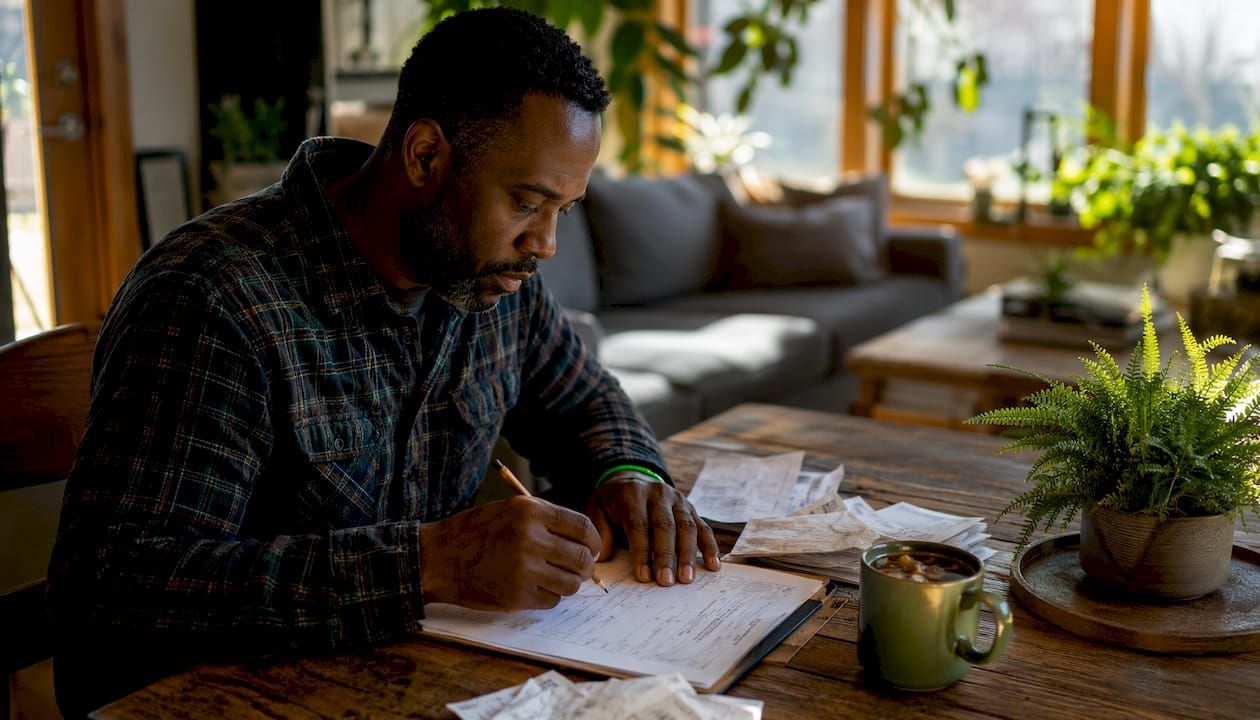
Here is something worth knowing before the framing is even finished: the emotional side of recovery does not run on the same schedule as the construction. Many homeowners find that the structural work wraps up while they are still processing what happened. That is completely normal. The building can be repaired before the person feels repaired, and expecting otherwise just adds unnecessary pressure to an already difficult situation.
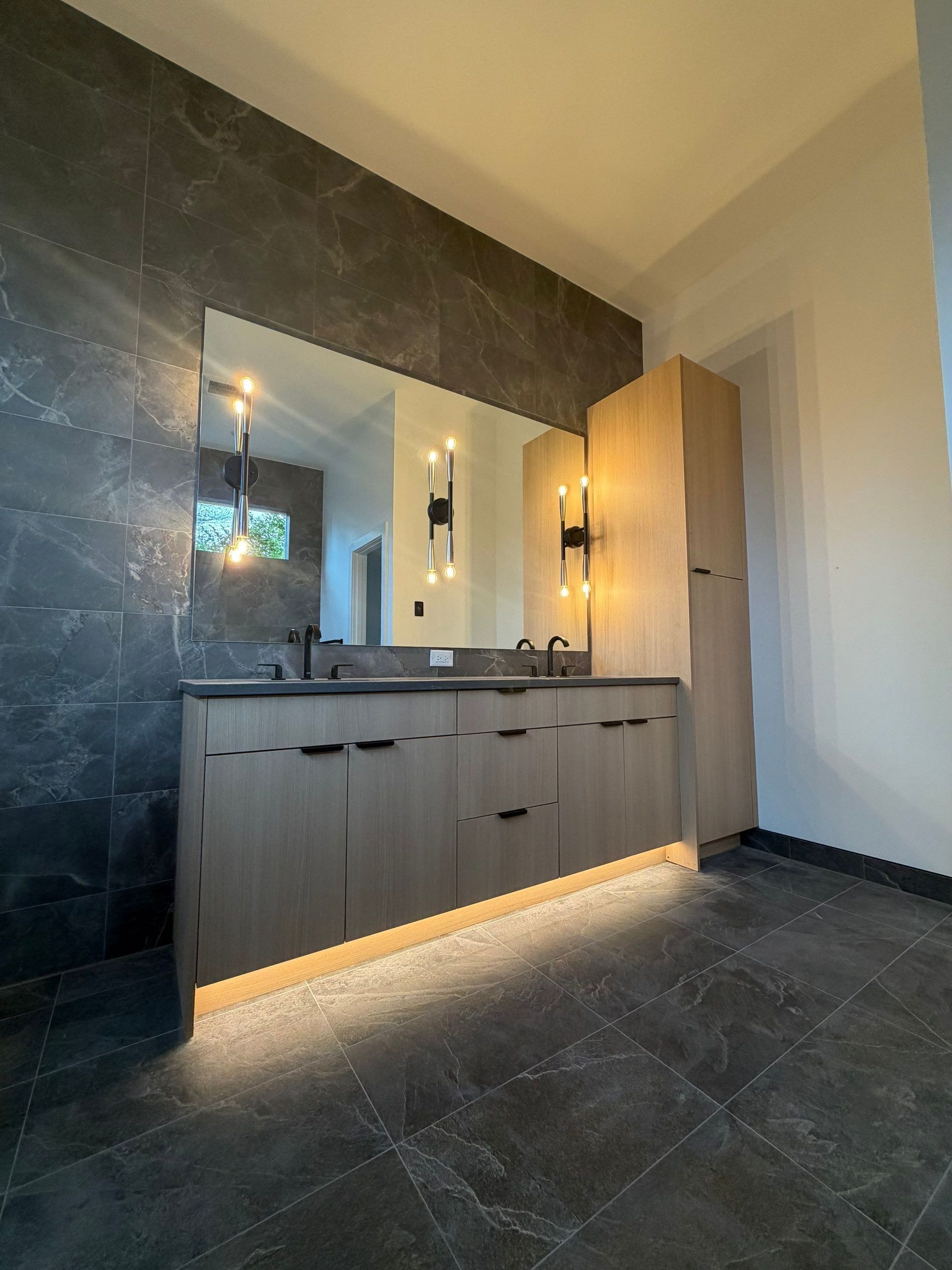
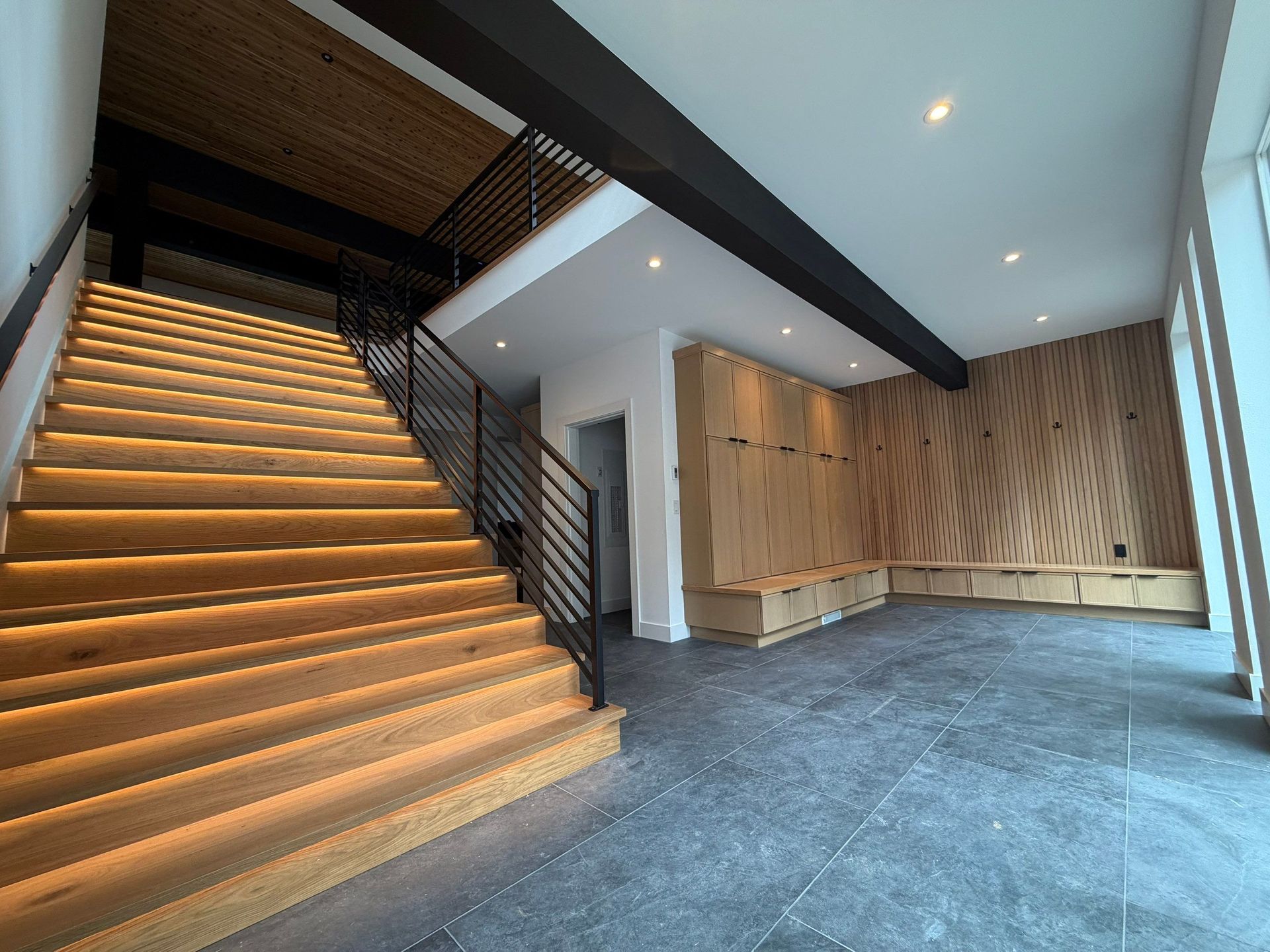
What the best restoration teams understand is that finishes are not decorative afterthoughts. The tile laid in the kitchen, the trim fitted around the doors, the cabinet faces in the rooms where morning routines happen again, those choices are what close the gap between a repaired structure and a home. Materials become meaning when they are placed correctly by people who understand what they are actually restoring.
Twenty-five years of working through Seattle neighborhoods has given the Fortress Build and Finish team a clear view of what the other side of this process looks like. The honest experience, seen across project after project, is that restoration done correctly works. The smoke smell fades. The rooms come back. People settle into their homes again.
Frequently Asked Questions
How long does it take to recover from a house fire?
It depends on what "recovery" means. Minor smoke and soot cleanup can wrap up in a few weeks; a full structural rebuild in Seattle typically runs several months to a year depending on scope. Emotional recovery runs on its own timeline — Washington's After the Fire resource network notes it can take "several years or longer," and that's normal, not a warning sign.
What is the difference between fire damage mitigation and restoration?
Mitigation is the emergency phase — boarding up the property, extracting suppression water, tarping the roof, and stabilizing the structure within the first 24 to 48 hours. Restoration is the full rebuild that follows: framing, smoke sealing, systems repair, and interior finishes brought back to pre-loss condition. A stabilized home is not a restored one.
Why is the first 48 hours after a house fire so important?
Soot is acidic and starts etching metal and degrading fabric within hours, suppression water can lead to mold within 24 to 48 hours if it isn't extracted and dried, and smoke migrates into wall cavities and HVAC systems far beyond the visible fire damage. Fast professional response limits how much gets classified "unsalvageable."
How much does fire damage restoration cost in Seattle?
Minor smoke and soot cleanup typically runs $5,000 to $13,000. Full structural rebuilds range from roughly $100,000 to $290,000, depending on how far smoke and water traveled through the structure and whether hazardous material abatement is required. Older homes with asbestos or lead paint tend to land toward the higher end.
Do I have to use my insurance company's preferred contractor?
No. Washington homeowners have the legal right to choose their own contractor for fire damage repairs. An insurer can suggest vendors, but cannot require you to use them, and you're never obligated to sign anything on the spot — even under pressure from a contractor who shows up unsolicited.
Is asbestos a concern after a house fire in an older Seattle home?
Yes, for homes built before 1980. Materials like vinyl floor tile, pipe insulation, and popcorn ceiling texture that were stable before the fire can release fibers once heat, water, and demolition disturb them. Washington State law requires an asbestos survey before demolition begins on any pre-1985 structure.
How do I verify a fire restoration contractor is licensed in Washington?
Look up their active registration at verify.lni.wa.gov — it's free and takes about two minutes. A legitimate contractor's license number should appear on every proposal and document they give you. Also confirm they carry liability insurance and a surety bond, and that they'll pull the required permits themselves.
What should I ask a contractor before hiring them for fire restoration?
Ask whether they handle both mitigation and reconstruction in-house or hand off to a separate team, whether the technicians working in your home hold individual IICRC certification, and who actually performs the finish carpentry and tile work. Request a written scope of work covering every phase before you sign anything.
Is it normal to still feel overwhelmed after the rebuild is finished?
Yes. The physical structure and your emotional recovery don't run on the same schedule. Many homeowners find the construction wraps up while they're still processing what happened — that gap is common, and it doesn't mean anything went wrong with the rebuild or with you.
What should I do in the first few hours after a house fire?
Confirm everyone in your household is safe, contact your insurance company to open a claim, and don't re-enter the structure until the fire marshal clears it. Photograph and document every damaged area before any cleanup begins — that documentation becomes the foundation of your insurance claim.Actionable Takeaways for Washington Homeowners After a Fire
Here is a quick reference list of the most important steps to carry with you through this process.
Call your insurance carrier within the first few hours and take photos or video of every damaged area before anything is moved or cleaned. That documentation becomes the foundation of your entire claim, and gaps in it are very hard to fill later.
Engage a licensed, bonded contractor within the 48-hour window. Secondary smoke and moisture damage compounds quickly, and the right contractor can begin limiting that spread while the insurance process gets underway.
Verify active Washington State contractor licensing at verify.lni.wa.gov before you sign anything. This takes about two minutes and protects you significantly.
Ask every contractor whether they handle both mitigation and reconstruction in-house or hand off one phase to a third party. Subcontracting creates gaps in accountability.
If your home was built before 1980, request hazardous material testing before any demolition begins. Asbestos and lead are real concerns in Seattle's older housing stock.
Fortress Build and Finish is a locally owned Seattle contractor with more than 25 years of experience across fire restoration, finish carpentry, and tile work. The team handles assessments and is licensed under FORTRBF756KA.
Conclusion
Recovering from a house fire is a long journey, but it is one you do not have to walk alone. Remember these key takeaways: your emotional healing matters just as much as the physical rebuilding, professional resources and community support exist specifically for moments like this, insurance navigation takes time but becomes manageable with the right guidance, and every small step forward is genuine progress.
You now have a clearer roadmap for what comes next. Use it. Reach out to local Washington disaster relief organizations, contact your insurance provider, and lean on the people around you.
Recovery is not a straight line, but thousands of families in the Pacific Northwest have walked this path and rebuilt something even stronger on the other side. Your home, your stability, and your sense of normal can be found again. Take the next step today.
Recent Posts