What to Look for in a Seattle Remodeling Company (And What Most Homeowners Don't Think to Ask)
What to Look for in a Seattle Remodeling Company (And What Most Homeowners Don't Think to Ask)

Choosing the right seattle remodeling company can make the difference between a dream renovation and a costly, stressful nightmare. Most homeowners focus on price and portfolio, but those two factors barely scratch the surface of what separates a truly reliable contractor from one that will leave you with headaches, delays, and budget overruns.
Seattle's remodeling market is competitive and crowded. With so many contractors vying for your business, knowing which questions to ask and which red flags to watch for gives you a serious advantage before you sign a single contract.
This guide breaks down the key factors you should evaluate when hiring a remodeling company in Seattle, including the criteria most homeowners overlook entirely. You will learn what licenses and insurance actually mean for your project, how to read reviews more critically, what communication standards to expect, and which contract details deserve your closest attention. Whether you are planning a kitchen overhaul, a bathroom refresh, or a full home renovation, these insights will help you move forward with confidence and clarity.
Why the Seattle Remodeling Market Is Different Right Now
Seattle's remodeling market in 2026 is being shaped by five converging forces that make it unlike almost any other metro in the country, and understanding them helps homeowners make smarter decisions about timing, budget, and who they hire.
1. The Math No Longer Favors Moving
With a median home value of $938,600 (ACS 2020–2024), Seattle homeowners are sitting on substantial equity but facing equally substantial barriers to relocation. Tight inventory, elevated mortgage rates, and the transaction costs of selling and buying in one of the nation's most expensive markets have made moving financially painful for most households. The result is a structural shift toward renovation: homeowners are choosing to invest in the homes they already own rather than compete in a punishing resale market. According to a 2026 remodel vs. move analysis for the Seattle market, the payment math increasingly favors staying and upgrading.
2. Local Costs Run Significantly Above National Benchmarks
Seattle remodeling budgets need to be calibrated to local reality. Costs run 20 to 50 percent above national averages, driven by SDCI permit requirements, Seattle Energy Code compliance, climate-specific construction needs, and labor rates that sit at the upper end of national ranges. A kitchen remodel that might cost $40,000 in another metro routinely runs $60,000 to $120,000 here. The Seattle remodeling cost and permit guide breaks down current local project ranges in detail.
3. A Brief Window of Cost Stability Is Closing
Seattle Times reporting from April 2026 flagged a counterintuitive opportunity: remodeling activity is currently slow, but price increases are coming. Homeowners who move forward now face less scheduling competition and a narrower gap before costs climb further. Experienced contractors leaving the market and persistent SDCI permit backlogs are compressing qualified labor supply, which will accelerate pricing when demand rebounds.
4. High-Value Homes Drive Professional Hiring Decisions
The professional "do-it-for-me" segment holds 62.3 percent of the U.S. home improvement market, a figure that reflects what homeowners with significant equity already know: structural and finish work on a high-value asset requires licensed expertise. In Seattle, a minor kitchen remodel delivers an 118 percent ROI (JLC 2025), reinforcing that professional execution is not a luxury; it directly protects and builds home value.
5. Industry Consolidation Is Changing the Hiring Landscape
National firms are actively acquiring regional contractors across major metros, and Seattle is not immune to that trend. For homeowners, this creates a real challenge: distinguishing a locally rooted firm with deep knowledge of Seattle's housing stock, permitting environment, and climate-specific construction demands from a franchise-style operator managed at the national level. That distinction carries material consequences for project outcomes and accountability.
Verify Their Washington State Contractor License Before Anything Else
Washington State requires every general contractor performing work valued over $500 to hold an active registration through the Department of Labor and Industries. That registration is not a formality; it represents documented proof that a contractor meets the state's minimum competency, insurance, and bonding requirements. A license number is the single most verifiable trust signal a contractor can offer, and any legitimate Seattle remodeling company should volunteer it before you ask.
Licensing alone is not enough to confirm you are protected. Washington State also requires contractors to carry a $30,000 bond and maintain general liability insurance. The bond provides a financial backstop if a contractor fails to complete the project or does not pay subcontractors. General liability insurance covers property damage caused during the work, and workers' compensation coverage matters just as much; if a worker is injured on your property and the contractor does not carry coverage, the liability exposure can shift directly to you as the homeowner.
You can verify any contractor's license status, bond, and insurance through the L&I Contractor Lookup tool at lni.wa.gov. The search takes roughly two minutes, returns active status, bonding currency, and complaint history, and costs nothing. Most homeowners skip this step entirely, including when a contractor comes recommended by a neighbor.
Fortress Build and Finish holds an active Washington State contractor's license (FORTRBF756KA), is bonded, and carries full insurance. Every one of those credentials can be confirmed independently through the state registry before a single conversation takes place. A contractor willing to put their license number in writing is one worth talking to.
Ask Whether Finish Work Is Done In-House or Subcontracted Out
Many remodeling companies build their reputation on design and project management while quietly handing off the finish trades to whoever is available at the end of the job. Finish carpentry, tile installation, and detail work are frequently subcontracted to separate crews who were not present during planning, did not walk the project at the start, and may be working from a scope sheet rather than a shared understanding of the homeowner's goals. That handoff is where accountability fractures. When the person setting tile in your bathroom never heard the conversation about matching the grout tone to the cabinetry, the result reflects it.
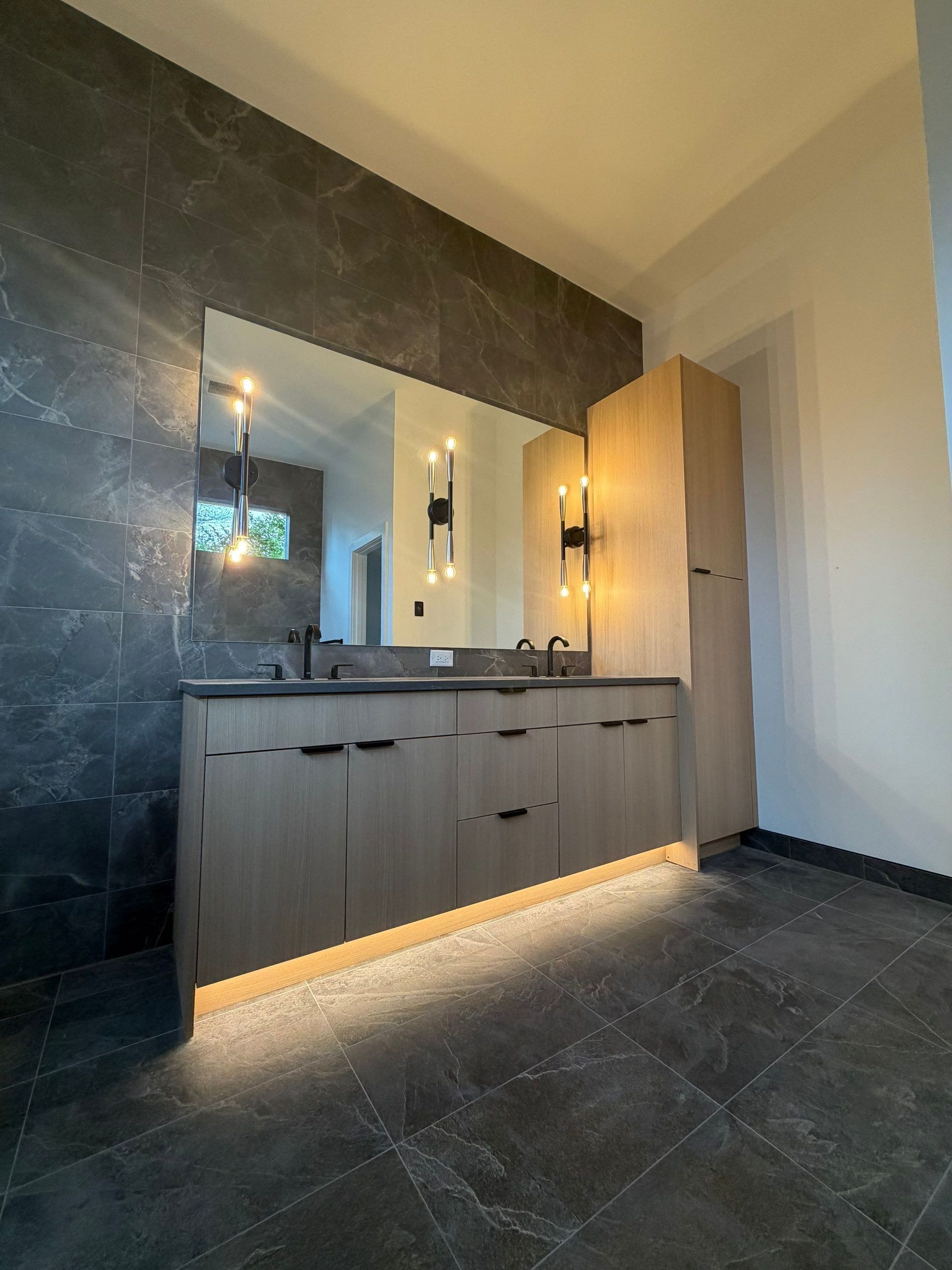
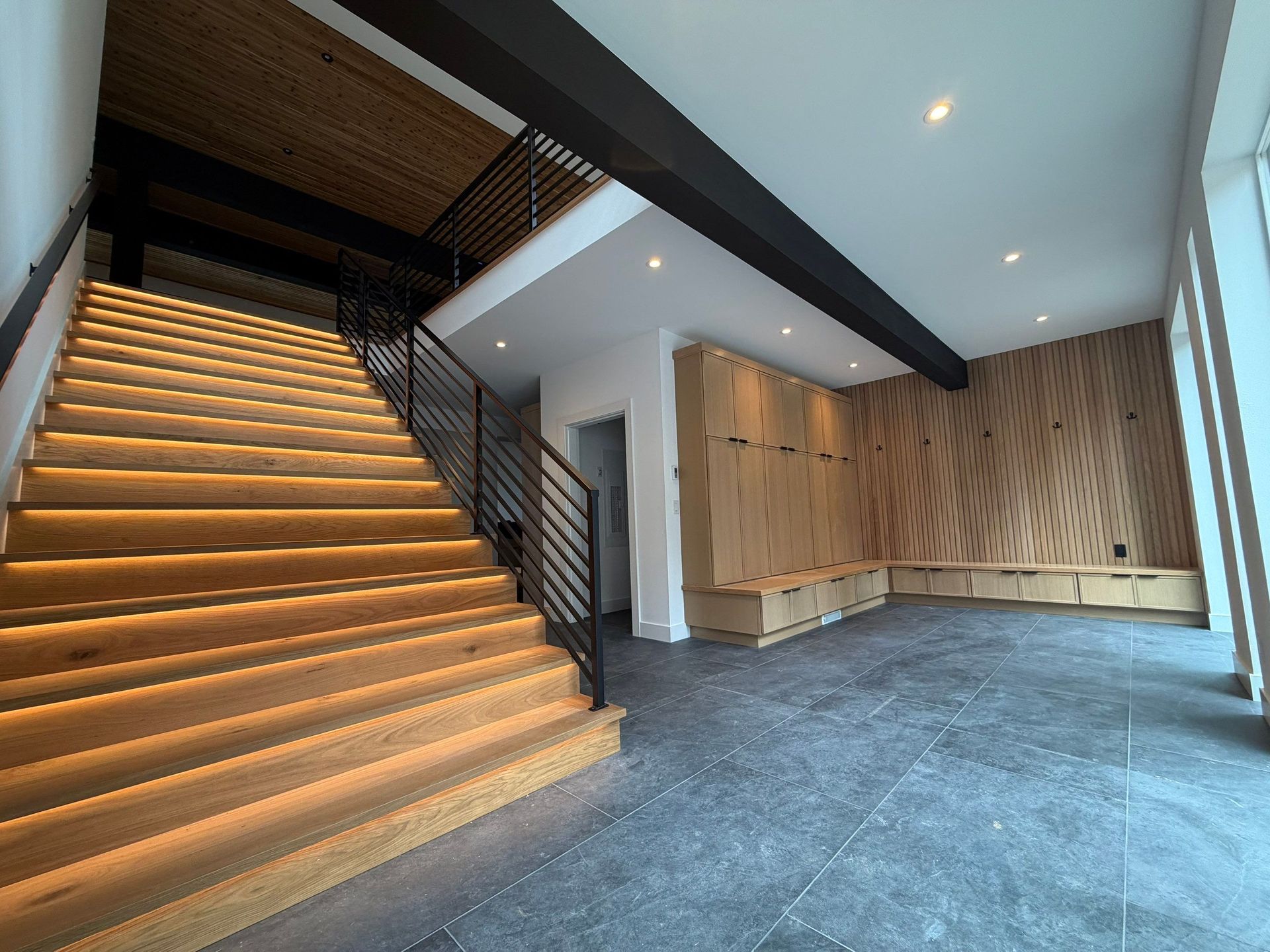
The stakes are highest precisely at the finish stage. Tile and trim are the most visible elements of any completed remodel; they are what homeowners see every day and what buyers evaluate first. Misaligned grout lines, gaps between trim and wall, or cabinetry that was fitted without accounting for an out-of-plumb wall are not minor inconveniences. Correcting finish carpentry or removing and reinstalling tile requires tearing out completed work, and detailed proposals that outline the full scope of work reviewed before signing are the first line of defense against this outcome.
Fortress Build and Finish performs finish carpentry and tile installation in-house, with the same team that scopes and assesses each project executing the work through completion. The craftspeople installing your tile were present for the planning decisions, which means material choices, layout considerations, and site-specific conditions are understood firsthand rather than communicated through a handoff document.
When interviewing any Seattle remodeling company, ask these questions directly: Who physically installs the finish carpentry and tile? Are those individuals employees or subcontractors? How long have they worked with the company? The answers reveal how much genuine control a contractor has over the quality you will live with long after the crew leaves.
Look for Contractors Who Know Seattle's Older Homes Specifically
Most Seattle single-family homes were built before 1960, and that fact matters enormously when you are hiring a remodeling contractor. Craftsman bungalows, American Foursquares, Tudor Revivals, and mid-century Ranch homes dominate core neighborhoods from Wallingford and Ballard to Capitol Hill and West Seattle. These homes were built with the materials, methods, and code standards of their era, and they carry predictable hidden conditions that only surface once demolition begins.
The three most common system issues in pre-1960 Seattle homes are knob-and-tube wiring, galvanized supply pipes, and cast-iron drains. Local reports confirm that galvanized pipes appear in more than half of older Seattle homes upon remodeling, frequently corroded to the point of requiring full replacement. A contractor who does not account for these systems during initial scoping will underprice the project, and the budget correction will arrive mid-construction when your options are limited.
Seismic zone classification adds another layer that generic contractors routinely miss. Seattle sits in one of the most seismically active regions in the country, and older homes were not built to current structural standards. Major remodels frequently trigger seismic bracing or retrofitting requirements through SDCI permitting, and navigating those requirements accurately takes local experience, not a generalist's best guess.
A contractor with 25 or more years working across Seattle's housing eras will have encountered these conditions dozens of times and can assess realistic scope before a single wall comes down. Fortress Build and Finish has spent more than 25 years working across nearly every era of Seattle residential construction, building the kind of firsthand familiarity with what each home type conceals behind its walls and under its floors that cannot be learned from a manual.
Make Sure They Understand SDCI Permitting and Seattle's Energy Code
Permitting is one of the most consequential areas where contractor experience directly protects your investment, and it is also one of the easiest places to get burned by someone who does not know the local landscape.
The Seattle Department of Construction and Inspections governs all permits for substantial remodeling work within city limits. Projects that require permits include removing load-bearing walls, adding or relocating plumbing fixtures, upgrading electrical panels, finishing a basement, and modifying window or door openings. Skipping permits is not a gray area; unpermitted work can result in fines up to $500 per day, forced removal of completed work, and serious complications when you sell the home.
Seattle's energy code/energy-code) adds a layer of obligation that catches many homeowners off guard. A kitchen or bathroom remodel that touches HVAC, ventilation, or mechanical systems can trigger energy upgrade requirements that were never part of the original project budget. Seattle also enforces locally amended code versions that are often more stringent than baseline Washington State requirements, and those amendments change on a rolling adoption cycle. A contractor who learned Seattle code five years ago and stopped paying attention may not be building schedules or budgets that reflect current requirements.
Permit review timelines carry real scheduling consequences. Simple residential alterations target a four-week review cycle, but complex projects can run four to eight months when correction cycles are included. Contractors who submit incomplete plans or are unfamiliar with the Seattle Services Portal will cycle through corrections that add both time and billable review hours to your project.
When evaluating any Seattle remodeling company, ask directly: do you pull the permits, or does that responsibility fall to me? Do you manage submissions through the Seattle Services Portal? Can you walk me through which inspections are required at each phase of this project? A vague or deflected answer signals that permitting will become your problem instead of theirs.
Prioritize Contractors Who Treat Seattle's Climate and Soil as Real Project Variables
Seattle averages 35.4 inches of rain annually, a figure projected to climb to 38.0 inches by 2050, and hourly rainfall intensity has already increased roughly 6% since 1970. That precipitation lands on clay-heavy soil that drains poorly and redirects hydrostatic pressure directly toward foundations, crawlspaces, and below-grade walls. For any remodel touching those spaces, waterproofing is not an upgrade you negotiate away to reduce the budget; it is a structural requirement that determines whether the finished space holds up over a decade or begins failing within a few years. According to Seattle's 2026 remodeling guide, proper waterproofing, drainage, and vapor barriers are explicitly listed as essential cost drivers in basement finishing projects, not optional line items.
Bathroom remodels carry the same exposure. Seattle's rainy season runs October through May, creating sustained interior humidity that cycles through walls and subfloors year-round. A contractor using waterproofing assemblies calibrated for drier markets may select membranes or backer materials that perform adequately elsewhere but degrade under prolonged moisture load. Given that full bathroom remodels in Seattle regularly run $18,000 to $40,000 or more, a material mismatch that causes failure within three to five years is a serious financial consequence, not a minor inconvenience.
Seattle's seismic zone classification adds another layer that climate-unaware contractors frequently underestimate. Any remodel involving structural walls or foundations triggers engineering review requirements and code-compliant framing standards under Seattle's seismic and energy code framework. Skipping or mishandling those requirements creates both inspection failures and long-term liability.
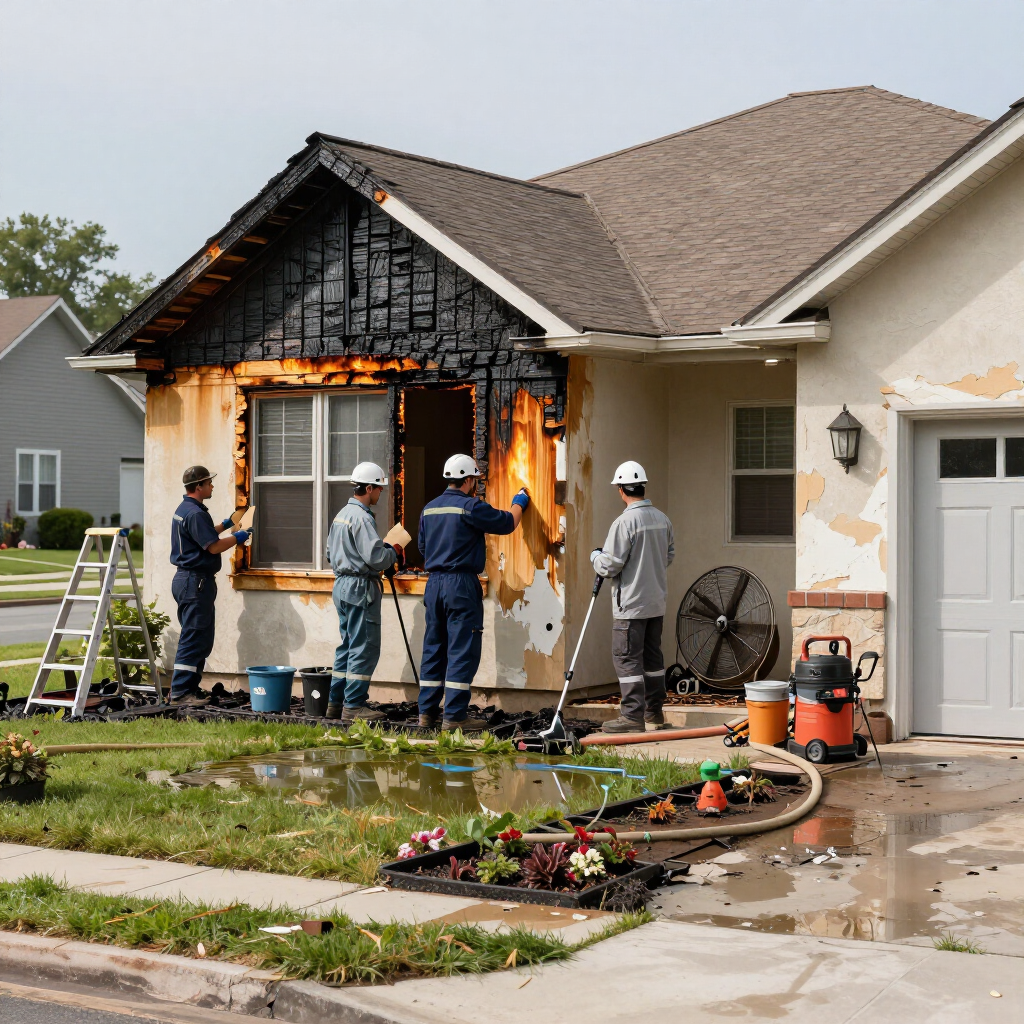
This is where water damage restoration experience becomes a direct remodeling qualification. Fortress Build and Finish has spent more than 25 years remediating moisture intrusion in Seattle homes, observing firsthand where vapor drives, drainage failures, and material incompatibilities manifest inside real structures. That applied knowledge informs how the team approaches waterproofing and building envelope work on every remodel, not as a theoretical exercise, but as a discipline grounded in seeing how Seattle homes actually fail.
Judge Contractors by How Seriously They Take Pre-Construction Planning
Builders nationwide identified pre-construction planning as the most critical project phase in 2026, and the reasoning is straightforward: homeowners are more selective, budgets are under greater scrutiny, and the contractors who earn trust early are the ones who show their work before a contract is ever signed. The planning conversation is where serious contractors separate themselves from those who underscope deliberately to win a bid and recover margin through change orders later.
A thorough pre-construction process covers five specific components: a detailed site walkthrough, written scope documentation, a line-item estimate, a permit strategy, and a realistic timeline. All five should be in hand before you sign anything. If a contractor presents a single-page proposal with vague line items like "kitchen remodel, labor and materials," that vagueness is not an oversight. Vague scope is the single largest driver of cost overruns, and in Seattle, where remodeling costs already run 20 to 50 percent above national averages, even a modest scope gap can produce a five-figure swing once work is underway.
Contractors who push for a fast start without a complete written scope are creating the exact conditions that produce change orders. Ask directly how they handle unexpected discoveries, because in Seattle's pre-1960 housing stock, discoveries are not unusual. Knob-and-tube wiring behind a kitchen wall, subfloor rot beneath a bathroom tile, and undersized electrical panels are routine findings. A contractor who answers that question with a clear contingency process is telling you something important about how they operate.
Treat the initial consultation as an interview, not a sales presentation. Bring a written list of priorities, ask about permit lead times with SDCI, and pay close attention to whether the contractor listens before talking. Clear communication in the first meeting is the most reliable predictor of clear communication during construction, and that quality of communication is what protects your budget from start to finish.
Understand Why Local Tenure Matters More Than Company Size
The remodeling industry is undergoing a quiet ownership shift that most homeowners never see. National consolidators have been acquiring regionally named contractors across the country, leaving the local brand intact as a marketing layer while restructuring decision-making, staffing, and accountability under a corporate parent. If a company presents itself as Seattle-based but was recently acquired by a national holding firm, that local identity may no longer reflect who is actually managing your project, answering for problems, or invested in the neighborhood's opinion of their work.
Genuine local tenure cannot be replicated through acquisition. A contractor who has operated continuously in Seattle for 25 or more years has accumulated something no national brand can purchase: a reputation built one neighbor at a time, across repeat clients, referrals, and the kind of word-of-mouth accountability that travels block by block through the same communities still being served. Research from remodeling industry sources in 2026 shows that 72% of homeowners prefer working with local specialists precisely because of that direct accountability and the owner-level investment in outcomes.
Long-tenured Seattle contractors also bring something less visible but equally consequential: working relationships with the specific inspectors, permit reviewers, and material suppliers who shape how projects actually move through Seattle's permitting system. Those relationships reduce friction at every stage and are earned only through years of consistent, professional engagement with the same local infrastructure.
Financial stability is another signal embedded in longevity. Contractors in the Pacific Northwest report real market volatility, and a company that has operated through Seattle's housing cycles, including downturns, has already demonstrated the discipline not to overextend its pipeline or walk away mid-project.
Fortress Build and Finish has operated in Seattle for more than 25 years as a locally owned company, building its reputation project by project across the same neighborhoods it continues to serve. That track record is not a marketing position; it is a structural reality a national brand simply cannot match.
What Seattle Remodeling Projects Actually Cost in 2026
Seattle remodeling costs run 20 to 50 percent above national benchmarks, and understanding the actual numbers before you contact a contractor is one of the most useful things you can do to protect your budget.
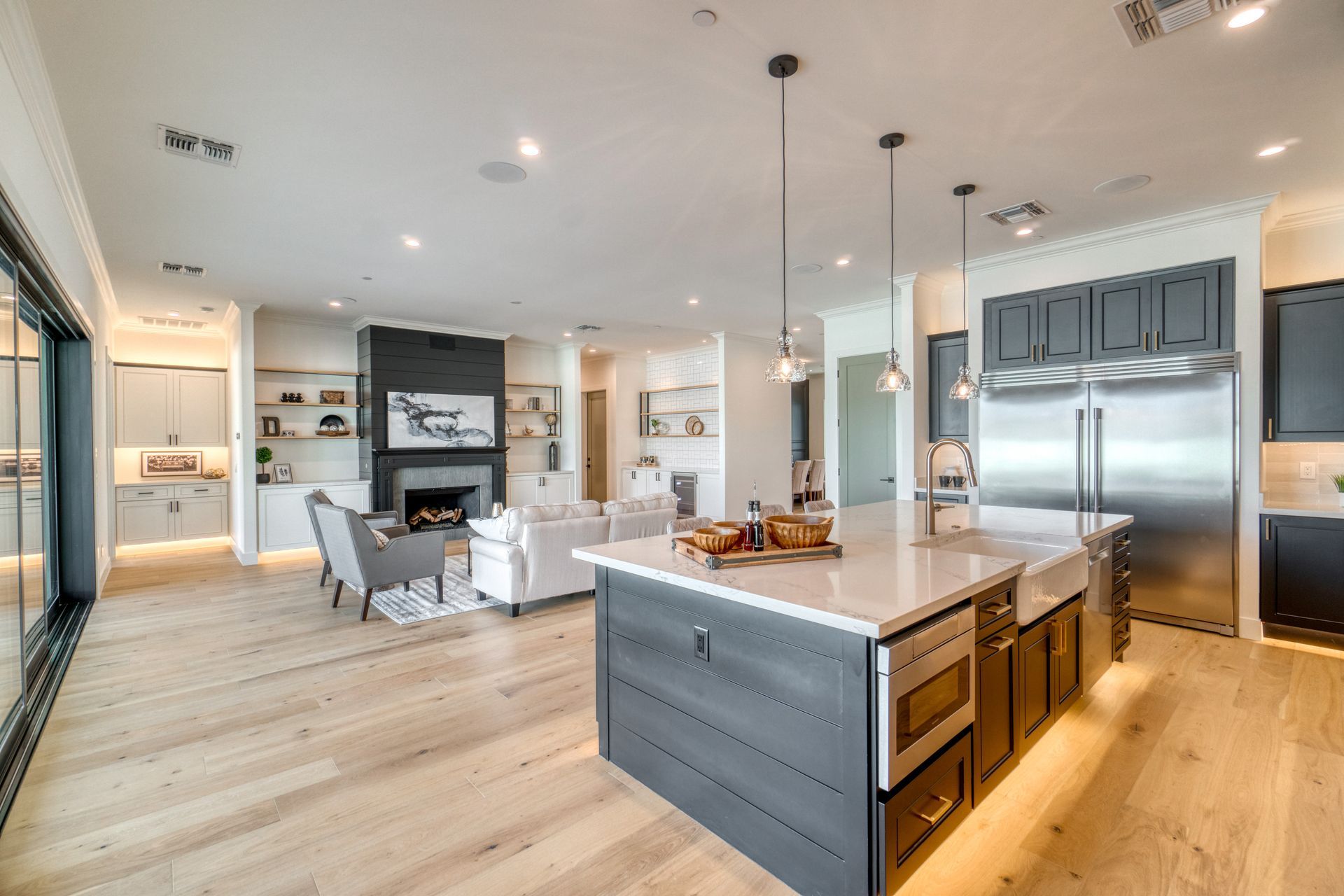
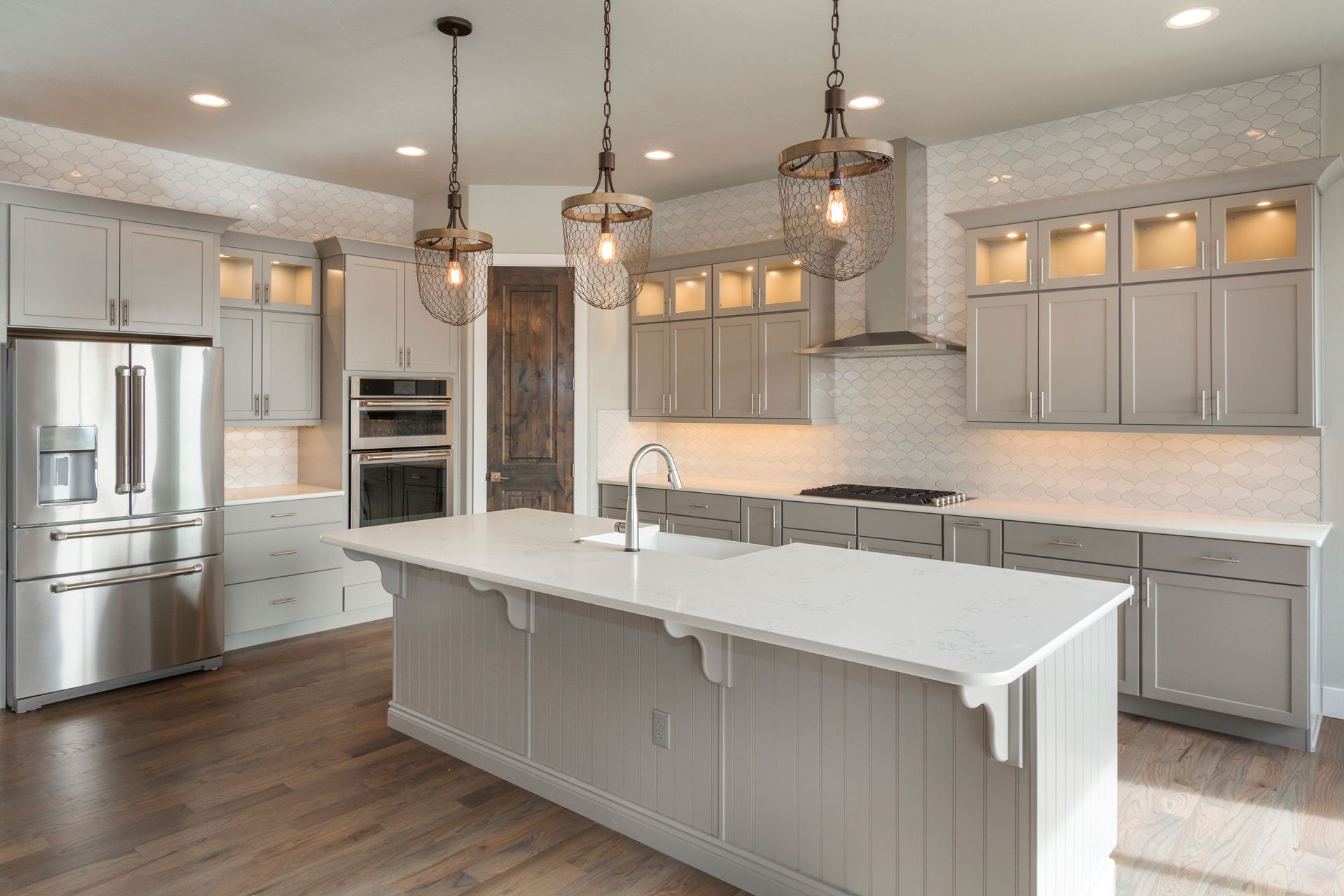
Kitchen remodels in Seattle range from roughly $30,000 for a focused cosmetic refresh to $250,000 or more for a complete gut renovation with structural changes, premium custom cabinetry, and high-end finishes. According to the Seattle Home Remodel Cost Calculator, a mid-range kitchen example produces estimates in the $85,000 to $109,000 range at approximately $632 per square foot. The return on that investment is notable: minor kitchen remodels in the Seattle market have demonstrated ROI figures above 110 percent in the 2025 Zonda/JLC Cost vs. Value Report for the Pacific region, making the kitchen the highest-return renovation category in this market. Kitchens also represented 31.2 percent of the entire U.S. home improvement market in 2025, which reflects a consistent homeowner preference for upgrading high-use functional spaces over simply adding square footage.
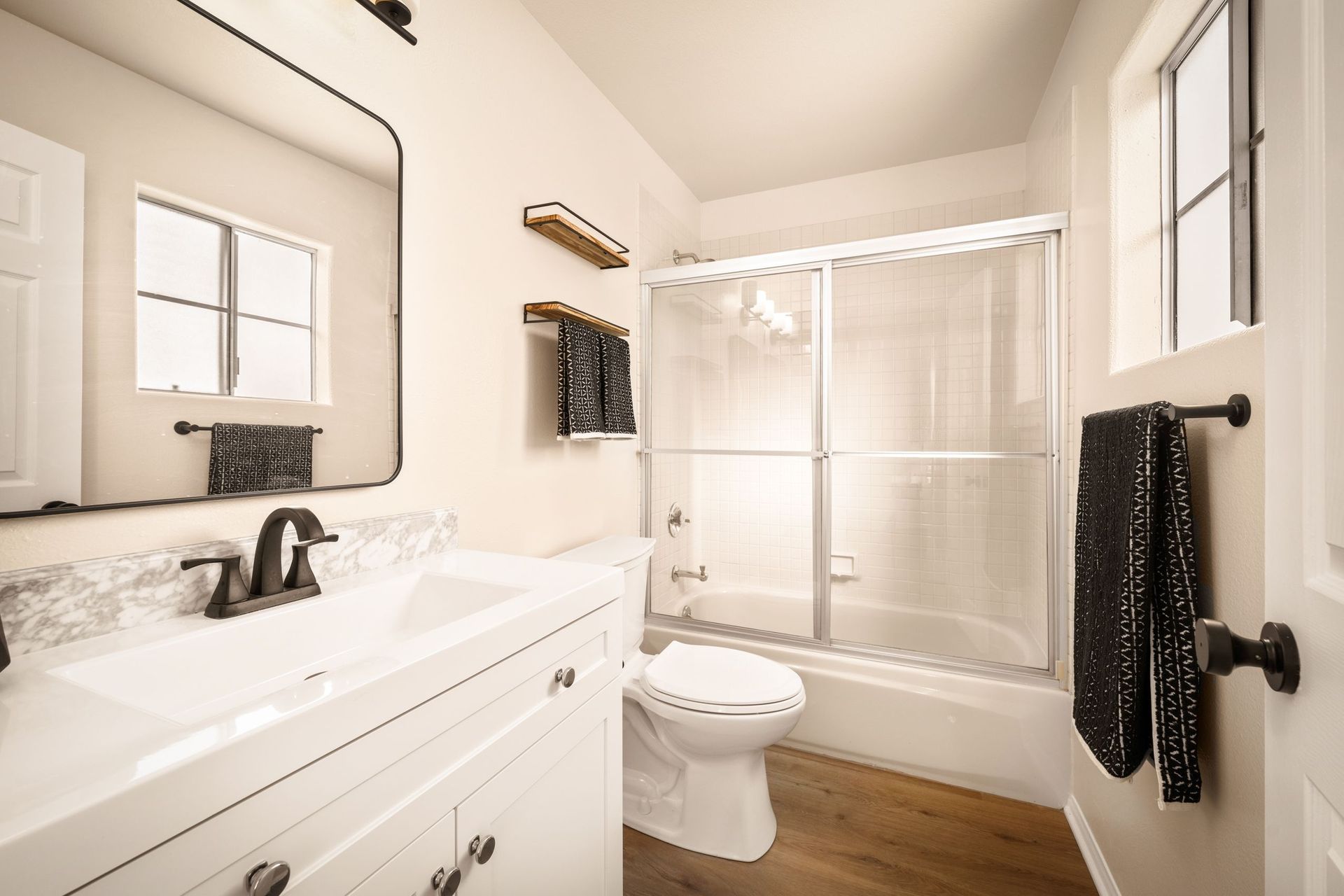
Bathroom remodels fall in the $15,000 to $110,000 range depending on scope. A cosmetic refresh with new fixtures and a vanity starts around $15,000; a complete spa-level renovation with custom tile work, a walk-in shower, and radiant heat can reach well past $65,000. Complete home remodels carry a range of $150,000 to $600,000 or more, depending on the existing condition of the home, required systems upgrades, and finish selections. Seattle's labor premium runs roughly 32 percent above the national average, and the 10.55 percent city sales tax applies to the full contract value, covering both labor and materials.
Tariff pressure is adding a new layer of cost uncertainty in 2026. Global trade tensions have produced 8 to 15 percent price increases on key imported materials, with overall project budgets rising 3 to 7 percent as a result. Contractors with established supplier relationships and the ability to lock pricing early are better positioned to buffer those fluctuations for their clients.
When you review bids, treat these ranges as a reference point. A bid that comes in dramatically below the Seattle market range is not a favorable outcome; it typically means scope has been omitted, allowances have been set unrealistically low, or quality has been compromised somewhere in the estimate.
Choosing a Seattle Remodeling Company: The Questions That Matter
Every conversation with a potential Seattle remodeling company should move through the same seven checkpoints. Verify the Washington State contractor license directly on lni.wa.gov by entering the company name or license number. Confirm that finish carpentry and tile work are performed by in-house employees, not rotating subcontractors. Ask for specific examples of projects completed in homes of comparable age and construction type to yours. Probe their SDCI permitting history and ask how many permits they have pulled and closed in the past 24 months. Test their knowledge of vapor barriers, drainage planes, and moisture management specific to Seattle's clay soils and rainfall. Request a sample pre-construction agreement before signing anything. Finally, ask how long the company has operated continuously in the Seattle market.
The current slower remodeling market creates a genuine strategic window. Experienced contractors are more accessible now, and locking in a project before the next price cycle rises protects your budget in a city where remodeling already runs 20 to 50 percent above national averages.
The initial consultation is itself a qualification test. A contractor who listens carefully, explains trade-offs honestly, and documents scope clearly in the first meeting will bring that same discipline to every phase that follows.
Fortress Build and Finish has operated in Seattle for more than 25 years, holds an active Washington State license (FORTRBF756KA), and performs finish carpentry and tile work in-house with the same team that assesses your project from day one. Schedule a project consultation today, and treat it as the pre-construction planning step that sets every successful remodel in motion.
Conclusion
Hiring the right Seattle remodeling company comes down to more than a competitive bid and an impressive portfolio. The homeowners who get the best results are the ones who verify licenses and insurance, read reviews with a critical eye, set clear communication expectations, and review every contract detail before signing.
These steps take a little extra time upfront, but they protect your investment, your timeline, and your peace of mind throughout the entire project.
You now have the tools to ask smarter questions and spot warning signs before they become expensive problems. Do not settle for a contractor simply because they seem available or affordable. Seattle has talented, trustworthy remodelers out there. Your job is to find them.
Start your search with this checklist in hand, and you will be far ahead of most homeowners before the first nail is ever driven.
Recent Posts