Tips for Managing Home Addition Projects While Still Living in Your House
Adding more space to your home is exciting, but living through a renovation can quickly become stressful without a solid plan. Whether you’re building a new bedroom, expanding your kitchen, or adding a second-story addition, homeowners often underestimate how disruptive construction can be to daily life.
At Fortress Build & Finish, we help homeowners navigate remodeling and home addition projects with as little disruption as possible. If you plan to stay in your home during construction, these practical tips can help you protect your comfort, reduce stress, and keep your project running smoothly.
1. Establish Clear Communication With Your Contractor
One of the most important parts of a successful home addition project is communication. Before work begins, discuss expectations with your contractor, including:
- Daily work hours
- Access points for workers
- Areas of the home that will be off-limits
- Parking arrangements
- Noise expectations
- Dust control measures
- Timeline milestones
Regular check-ins throughout the project help prevent misunderstandings and keep everyone aligned. A professional contractor should provide updates on progress, delays, and upcoming work phases so you always know what to expect.
2. Create a Temporary Living Plan
Construction can disrupt essential parts of your home, especially kitchens, bathrooms, and common living spaces. Preparing temporary alternatives ahead of time can make daily routines much easier.
Consider:
- Setting up a temporary kitchen with a microwave, coffee maker, and mini fridge
- Creating a quiet workspace if you work from home
- Rearranging bedrooms if certain areas become inaccessible
- Planning alternative bathroom access during plumbing work
Families with children or pets should also think through safety and comfort during construction.
3. Protect Your Belongings From Dust and Debris
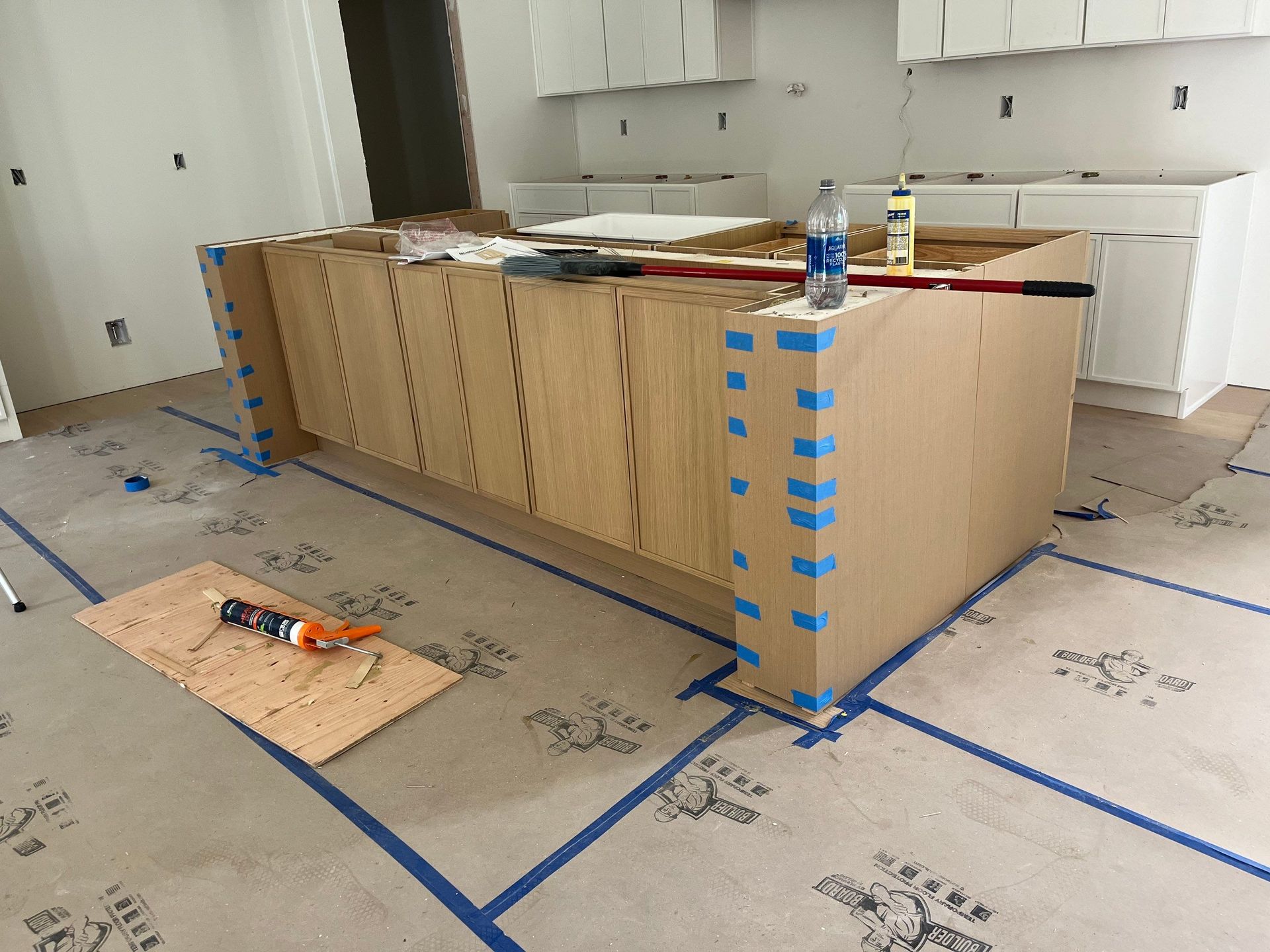
Even with professional containment systems, dust has a way of traveling throughout the house. Protecting your furniture, electronics, and valuables before demolition begins can save time and frustration later.
Helpful steps include:
- Cover furniture with plastic sheeting
- Seal off unused rooms
- Store valuables in secure areas
- Remove wall décor and fragile items near construction zones
- Change HVAC filters regularly during the project
A contractor experienced in occupied-home renovations should also use dust barriers and floor protection whenever possible.
4. Expect Noise and Plan Around It
Home additions often involve demolition, framing, power tools, and heavy equipment. Noise levels can become challenging, especially for families with young children, remote workers, or pets sensitive to loud sounds.
To minimize stress:
- Schedule meetings or work calls outside peak construction hours
- Use noise-canceling headphones
- Arrange occasional off-site workdays
- Inform neighbors about the renovation schedule
Understanding the noisiest phases ahead of time helps you mentally prepare and adjust your routine.
5. Prioritize Safety at All Times
Construction zones can present hazards including exposed nails, tools, electrical wiring, and uneven surfaces. If you remain in the home, establish clear boundaries between living spaces and work areas.
Important safety tips:
- Keep children and pets away from active construction zones
- Avoid entering unfinished areas without permission
- Maintain clear walkways and emergency exits
- Discuss safety procedures with your contractor before work starts
Professional builders should maintain a clean jobsite and secure hazardous materials at the end of each workday.
6. Be Prepared for Temporary Utility Interruptions
During many home addition projects, utilities like water, electricity, or HVAC systems may need to be temporarily shut off. While most interruptions are planned, they can still be inconvenient if you are not prepared.
Ask your contractor:
- When utility shutoffs will occur
- How long interruptions will last
- Which systems will be affected
- Whether backup solutions are available
Planning ahead allows you to adjust your schedule and avoid surprises.
7. Keep the Big Picture in Mind
Living through a home renovation can feel overwhelming at times, especially during messy or noisy phases. However, keeping your long-term goals in mind helps maintain perspective.
Remember:
- Temporary inconvenience leads to lasting value
- Home additions can significantly improve functionality
- Well-designed additions often increase property value
- The process becomes easier with proper planning and experienced professionals
Patience and flexibility go a long way during any remodeling project.
Why Professional Planning Matters
The success of a home addition often depends on careful project management and experienced craftsmanship. Choosing the right contractor can dramatically reduce stress, minimize delays, and help your family remain comfortable throughout the renovation process.
At Fortress Build & Finish, we specialize in home additions and remodeling projects designed around your family’s needs. From planning and permits to construction and finishing details, our team focuses on clear communication, quality workmanship, and a smoother renovation experience.
Ready to Start Your Home Addition?
If you’re considering a home addition and want guidance from experienced professionals, Fortress Build & Finish is here to help. Contact our team today to discuss your vision and learn how we can help you expand your home while minimizing disruption to your everyday life.