Short answer
Kirkland and Redmond are separate cities with separate permit departments, separate fee schedules and separate critical-areas rules — nothing about a Seattle or Bellevue permit carries over. The housing stock in both skews postwar and later, so remodels here are usually driven by layout and finish rather than by failing systems.
---
Three cities, three permit processes
If you take one thing from this: **the jurisdiction is a project variable.**
A remodel in Kirkland goes through the City of Kirkland's building and permitting services. Redmond goes through the City of Redmond. Bellevue goes through Bellevue Development Services. Seattle goes through SDCI. Each has its own application platform, fee schedule, review timeline, inspection scheduling and critical-areas regulations.
Questions worth asking any contractor before you hire them for an Eastside project:
1. How many permits have you pulled in this specific city in the last two years?
2. What's the current review timeline there for a project like mine?
3. Are there critical areas — streams, wetlands, steep slopes — mapped on this parcel?
4. What are this city's tree retention requirements, and do they affect my scope?
A contractor who answers those confidently has worked there. One who says "it's basically the same as Seattle" hasn't.
The housing stock
**Kirkland** spans a wide range. Older waterfront and near-downtown areas hold some early- and mid-century homes; Juanita, Totem Lake, Finn Hill and Rose Hill are heavily 1960s–1980s; and there's substantial newer construction and teardown-rebuild activity, particularly near the water and downtown. Slope is a genuine factor — Kirkland runs down to Lake Washington and a lot of it isn't flat.
**Redmond** skews later still. Education Hill, Grass Lawn, Overlake and the areas that grew with the tech industry are largely 1970s onward, with a large amount of 1980s–2000s construction. Bigger houses, more bathrooms, vaulted spaces, and finish that is dated rather than failing. Redmond also has meaningful wetland and stream corridors — the Sammamish River and its tributaries — which map as critical areas on a number of parcels.
What this means for a remodel
**Systems are usually fine.** Knob-and-tube is essentially absent. Supply piping is copper or a modern plastic. The common electrical scope is a panel upgrade to carry modern loads, not a rewire.
**Framing is square.** Postwar and later construction is closer to plumb and level, which reduces the scribing labor on cabinetry and trim relative to a pre-war Seattle house.
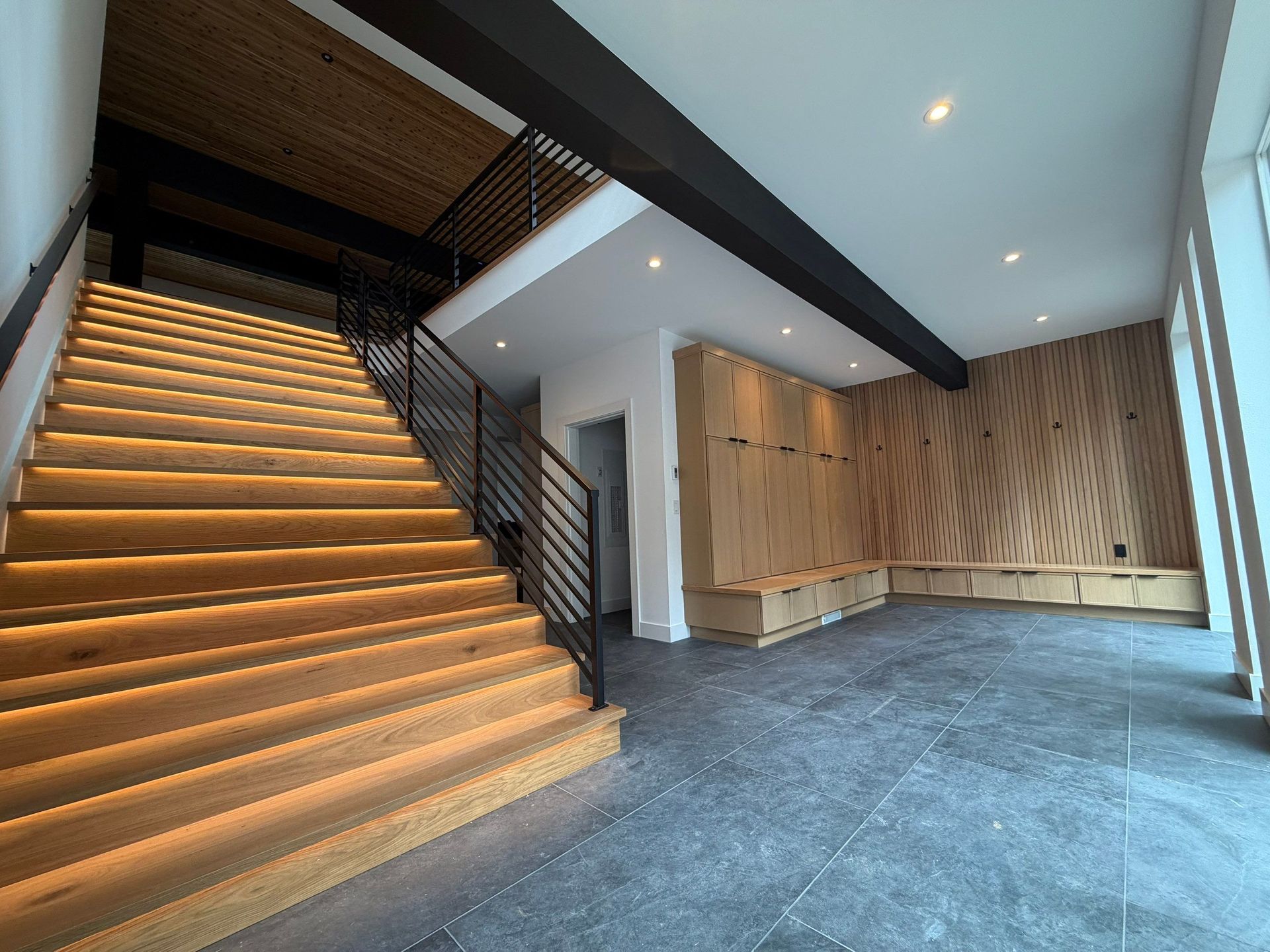
**The project is about layout and finish.** Opening closed plans, enlarging primary suites, rebuilding kitchens and bathrooms, replacing dated finish carpentry with millwork that suits the house.
**Contingency can be lower.** 10% is usually adequate here where a 1920s Seattle bungalow warrants 15–20%.
**Critical areas can be a surprise.** Wetlands and stream buffers are the Eastside equivalent of Seattle's steep-slope designations. On an affected parcel they can restrict where you can build and require a critical-areas study. Check the parcel before designing an addition.
Common Kirkland and Redmond projects
**Opening a 1970s–1980s plan.** Kitchen walled off from family room, formal living room nobody uses, a warren of small spaces. Removing walls and reconfiguring is the defining remodel here.
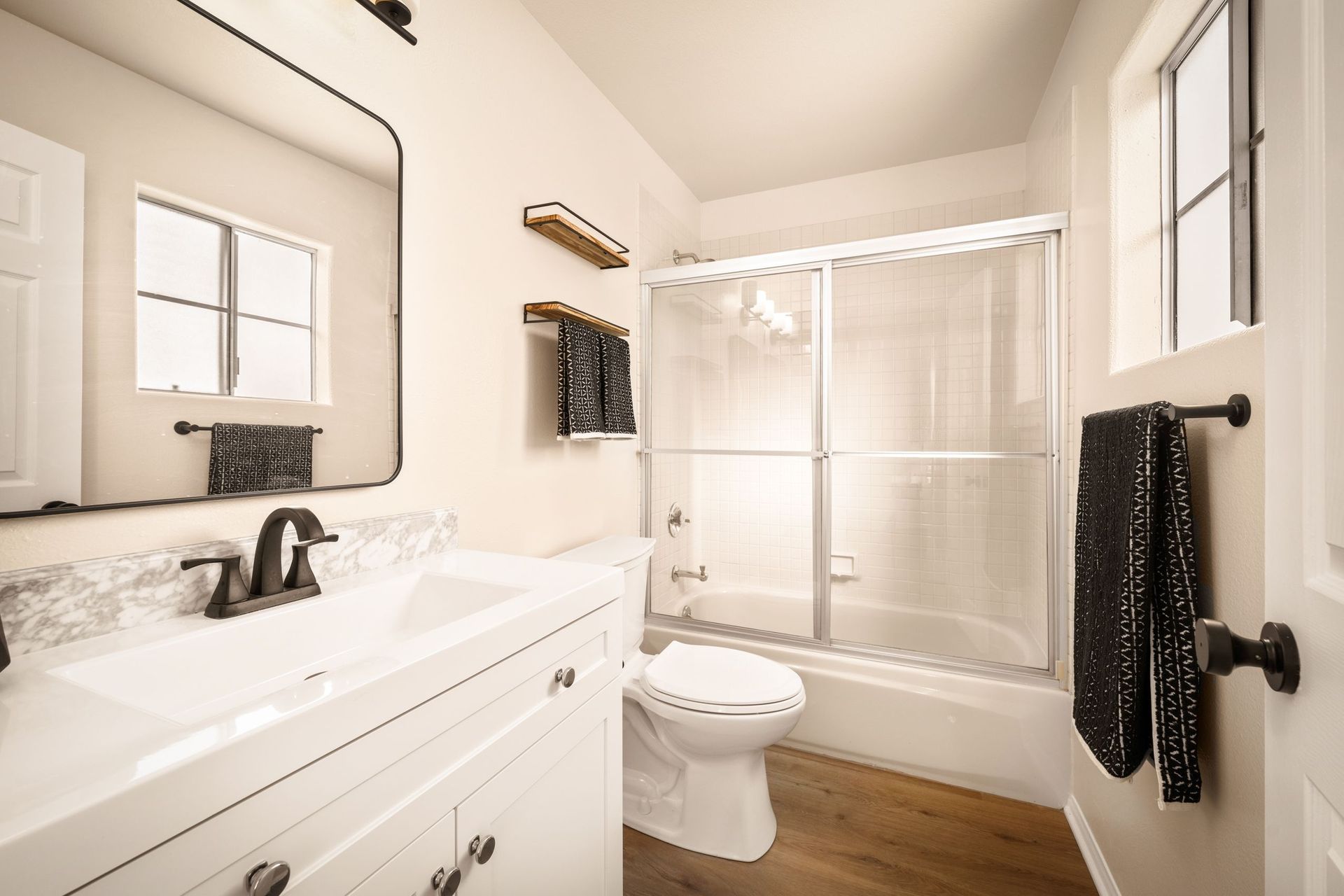
**Kitchen and primary bath rebuilds.** Straightforward work on sound structure, where the money goes into cabinetry, countertops, tile and lighting rather than into repairs.
**Vaulted-ceiling and window updates.** A lot of 1980s Eastside houses have big volumes with dated windows and skylights. Replacing them is a meaningful comfort and energy improvement.
**Additions on larger lots.** Feasible where a Seattle lot wouldn't allow it — subject to setbacks, lot coverage, impervious surface limits, tree retention and critical areas.
**Basement and bonus-room finishes.** Common in the daylight-basement and split-level stock.
**ADUs.** Washington state law has pushed cities to broaden ADU allowances, and both Kirkland's and Redmond's rules have evolved. Confirm current requirements with the city at the time you plan.
Costs
Comparable per-square-foot rates to Seattle, with these adjustments: