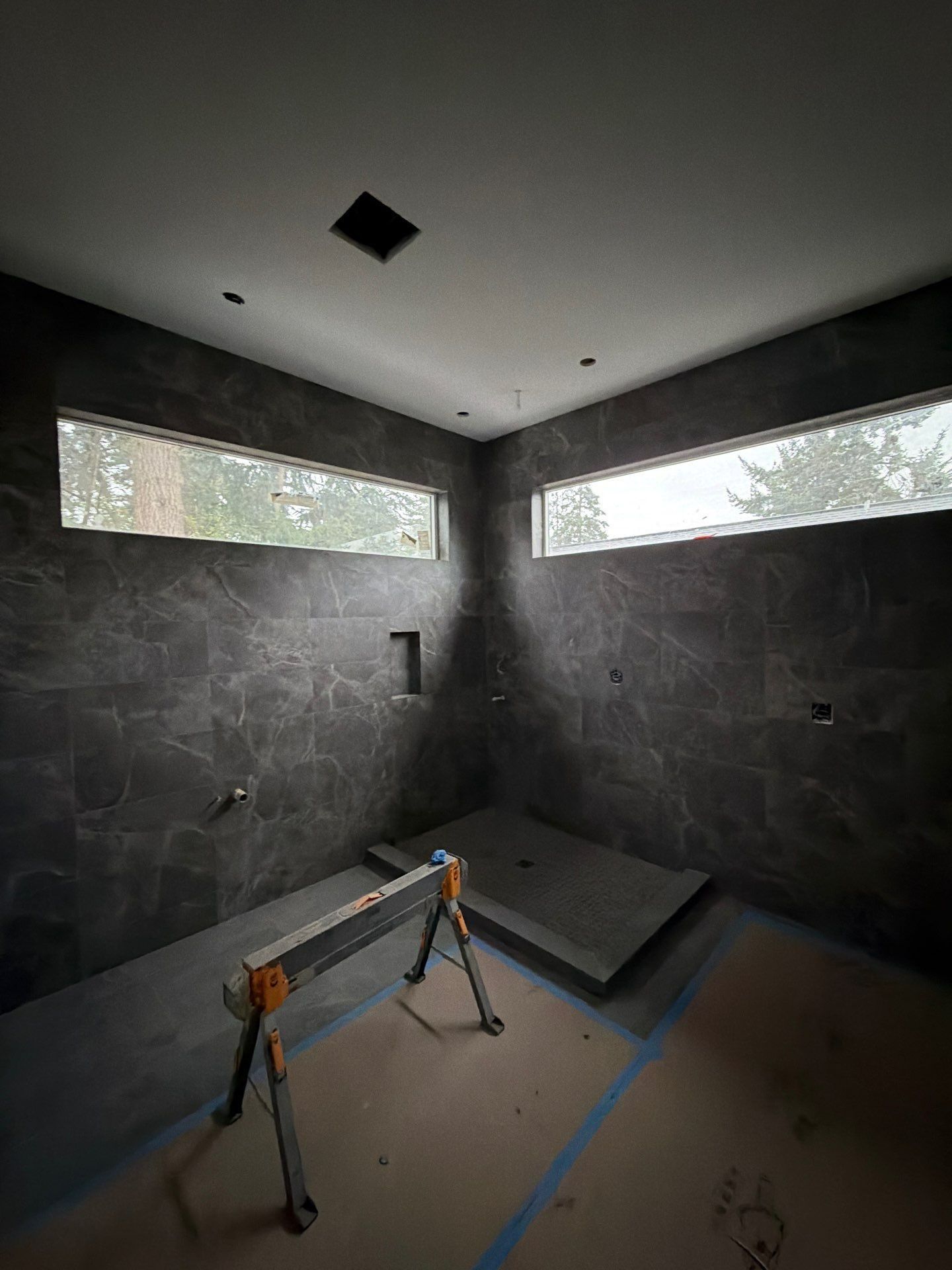
A bathroom remodel in Seattle rarely starts with tile samples. It usually starts with a problem that keeps coming up - poor layout, worn finishes, moisture damage, limited storage, or a space that no longer fits the way your household lives. Choosing the right bathroom renovation contractor Seattle homeowners can rely on is what turns those frustrations into a finished room that looks right, works well, and holds up over time.
Bathrooms ask more from construction than many other rooms. The space is compact, but the work is layered. Plumbing, electrical, ventilation, waterproofing, tile, finish carpentry, and fixture installation all need to come together in the right order. If one part is rushed or handled without enough care, the problems tend to show up later in the form of leaks, mold, cracked grout, poor drainage, or finishes that wear out too soon.
What a bathroom renovation contractor in Seattle should actually handle
A strong contractor does more than schedule trades and collect bids. In a bathroom remodel, project management and craftsmanship have to work together. That means evaluating the existing space, identifying structural or moisture concerns early, building a realistic scope, and guiding material selections that fit both the design and the daily use of the room.
In Seattle homes, especially older properties, bathrooms often come with hidden conditions. You may open a wall and find outdated plumbing, framing repairs, water damage, or ventilation issues that need correction before finish work begins. This is where experience matters. A contractor who understands both renovation and restoration work is better prepared to address underlying issues without losing control of the project.
That full-service capability also makes decision-making easier for the property owner. Rather than coordinating multiple specialists on your own, you have one accountable team managing demolition, prep, installation, finish work, and the final details that make the room feel complete.
Why Seattle bathrooms require careful planning
Seattle's climate makes moisture management a serious part of bathroom construction. Good tile work matters, but tile alone is not waterproofing. Proper underlayment, waterproof membranes, well-executed shower pans, sealed penetrations, and effective ventilation all play a role in protecting the structure behind the finished surfaces.
This is one area where the cheapest bid can become the most expensive choice. A remodel may look finished on the surface, but if the waterproofing system is incomplete or poorly installed, the damage often stays hidden until repair costs escalate. A dependable contractor will explain the method being used, where the vulnerable areas are, and why prep work deserves as much attention as the visible finishes.
Seattle homes also vary widely in age and layout. A downtown condo remodel comes with different constraints than a bathroom upgrade in a craftsman home or a newer single-family residence. Access, building rules, plumbing locations, and material handling can all affect the budget and schedule. A local contractor should be able to account for those jobsite realities early, not after work has already begun.
How to evaluate a bathroom renovation contractor Seattle property owners are considering
The first question is not whether a contractor can produce a nice-looking bathroom. Many can. The more useful question is whether they can deliver a bathroom that performs well after the project is done.
Look for clear communication during the estimate process. A reliable contractor should ask detailed questions about how the space is used, who uses it, what is not working, and what level of finish you want. They should also explain what is included in the scope, where allowances may apply, and what conditions could change the cost.
It also helps to pay attention to how a contractor talks about craftsmanship. Do they discuss waterproofing, substrate prep, and installation sequencing, or only the final appearance? Do they understand custom tile layout, storage planning, lighting placement, and finish carpentry details? Bathrooms succeed when the hidden work and the visible work are both taken seriously.
You should also expect realistic answers about trade-offs. For example, moving plumbing can improve layout, but it may add cost. Large-format tile can look clean and modern, but it requires careful wall preparation to avoid lippage. Custom vanities increase storage and fit, but stock cabinetry may be the smarter value for some projects. A trustworthy contractor does not push every client toward the highest spend. They help align the scope with the goals.
Cost expectations and what really drives the budget
Bathroom remodel pricing in Seattle can vary significantly because the scope varies significantly. A cosmetic update with fixture replacement, new flooring, paint, and a vanity is very different from a full gut renovation that includes structural work, a walk-in shower, custom tile, upgraded electrical, and premium finish materials.
The biggest cost drivers are usually layout changes, plumbing and electrical modifications, tile complexity, fixture quality, and the level of custom finish work. Demolition and repair work can also shift the budget if water damage or code-related corrections are uncovered once walls and floors are opened.
This is why a well-built estimate matters. It should separate necessary construction work from optional upgrades so you can make informed decisions. If every line item feels vague, the final price may become vague too. A good contractor helps you see where your money is going and where investing more will make a meaningful difference in durability, comfort, or resale value.
Design choices that improve daily use, not just appearance
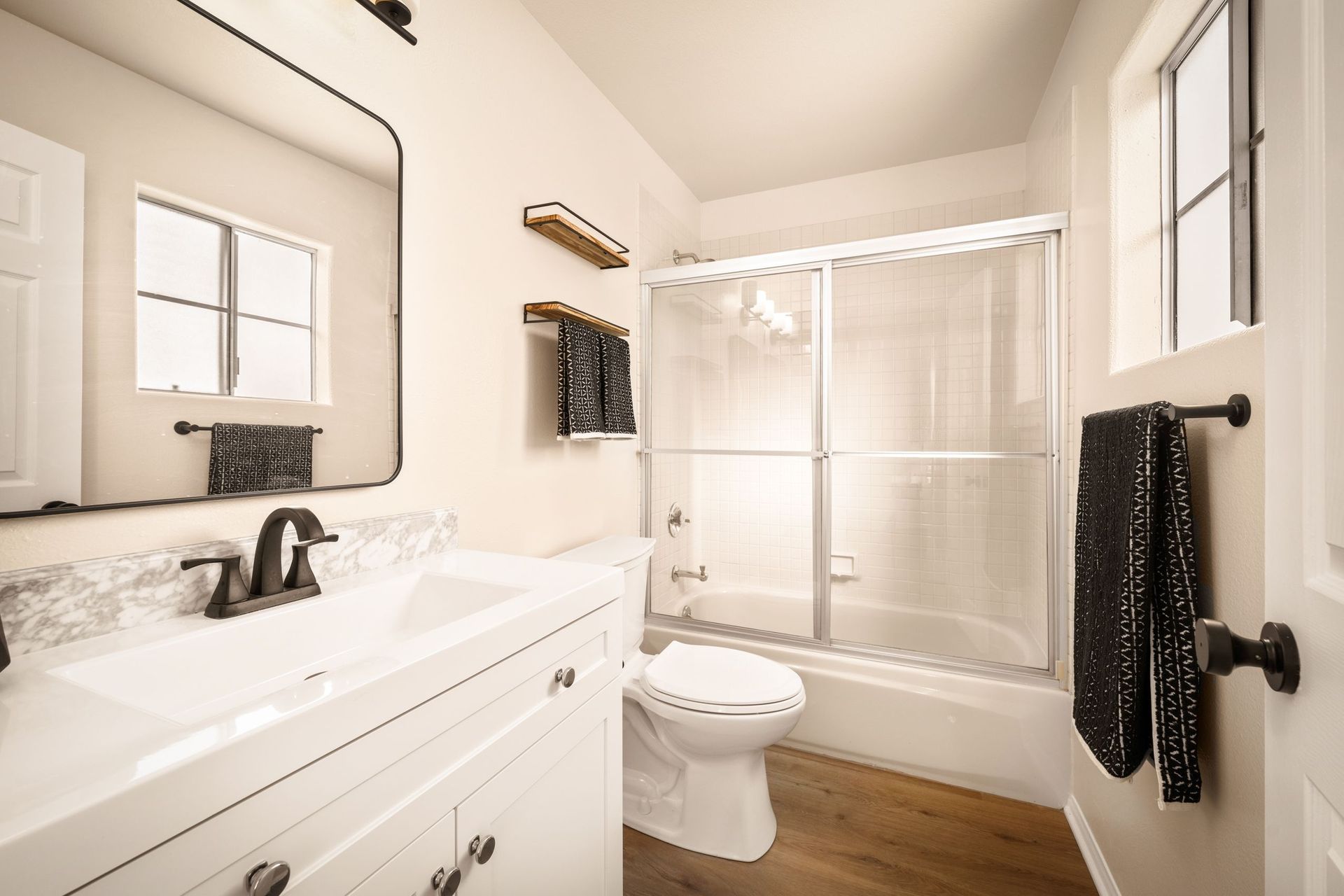
A strong bathroom renovation is not only about style. It should make the room easier to use every day. That may mean replacing a cramped tub-shower combo with a properly sized walk-in shower, adding recessed storage, improving task lighting, or selecting slip-resistant flooring that still feels refined.
Storage is one of the most overlooked parts of bathroom planning. A clean visual design matters, but so does having room for towels, toiletries, cleaning supplies, and the items people actually use morning and night. Smart vanity design, medicine cabinets, built-in niches, and tailored shelving can improve function without making the room feel crowded.
Material selection should also match the demands of the space. Natural stone can be beautiful, but it requires more maintenance than many porcelain products. Matte finishes may hide water spots better in some settings. Grout color affects upkeep more than people expect. These are not dramatic design decisions, but they influence how satisfied you feel six months after the remodel.
The value of finish quality in a bathroom remodel
Bathrooms are detail-driven rooms. Slight alignment issues, uneven cuts, sloppy trim transitions, and poor fixture placement stand out quickly because the space is small and closely viewed. Finish quality is not a luxury add-on. It is a core part of whether the room feels professionally built.
That is why contractors with strong finish carpentry and tile experience often bring more value to a bathroom project. They understand how lines should carry, how materials should meet, and how to produce a result that feels cohesive instead of pieced together. Premium outcomes come from precision, not just product selection.
For clients who want a polished result, this is where the right contractor separates from the field. The room should function well, but it should also reflect care in every visible detail, from niche placement to trim profiles to the way tile edges are resolved. Fortress Build & Finish approaches this kind of work with that balance in mind - construction capability backed by craftsmanship.
How to keep the project on track
The smoothest bathroom remodels start with clear expectations. Before work begins, the project should define scope, material decisions, lead times, access to the home, and a likely schedule. Some flexibility is still necessary because renovation work can uncover surprises, but uncertainty should not be the default.
Homeowners also benefit from making key selections early. Waiting too long on tile, plumbing fixtures, lighting, mirrors, or cabinetry can delay progress and create rushed decisions. A contractor who guides these choices upfront helps protect both the timeline and the quality of the finished result.
It is also worth asking how the team handles change orders, communication, and site protection. Bathrooms are disruptive projects, especially if the home has limited extra bath space. Knowing how updates will be communicated and how the home will be treated during construction makes the process more manageable.
A well-executed bathroom renovation should solve more than surface-level problems. It should give you a space that works better, lasts longer, and feels like it was built with intention. When you choose a contractor who values sound construction, precise finishes, and clear communication, you give the project its best chance to deliver that result.